
Mobile apps touch most parts of daily life, think chatting, watching videos, paying bills, checking health stats, or buying stuff online. But they’re getting trickier, using tons of personal info, which sparks worries about snooping, shady data deals, secret code choices, and sketchy behavior. People want clearer answers now, so users can actually see what’s happening behind the scenes, this push comes not just from customers but also watchdogs and companies trying to do right by folks, calling for simpler ways to prove safety and give real power back to individuals.
Blockchain tech might be a game changer for making mobile apps more open. Because it’s spread out and locked once written, key actions, data paths, and access rights stay visible and safe from tampering. Here, we dig into turning that idea into real world tools, how blockchains bring honesty to apps people use daily. You’ll see actual perks for companies, along with examples that prove it works. Plus, find out how Codearies supports brands ready to lead in clear, trustworthy mobile solutions.
The Challenge of Transparency in Mobile Apps
Even though more people are catching on, mobile apps still find it tough to clearly show where your info goes, also what they do with it or how they cash in. Common problems? Not spelling out who gets your data or being upfront about sneaky tracking behind the scenes
- Secretive or tricky ways companies share your info, sneaky monitoring methods that follow you online
- Hidden code shapes what you see or get suggested
- Few users really grasp where their info’s kept or how it’s been used before
- Centralized app setups can be tweaked or blocked by those in control
- Tough to understand privacy options, plus confusing permission choices
This lack of clarity chips away at user confidence, brings in regulators looking closer, while also shrinking chances for growth as global privacy rules tighten.
How Blockchain Technology Supports Transparency
Blockchain’s a shared record system, with data locked in code and spread over many separate computers. What makes it tick brings real openness perks to phone apps.
1. Immutable Auditable Records
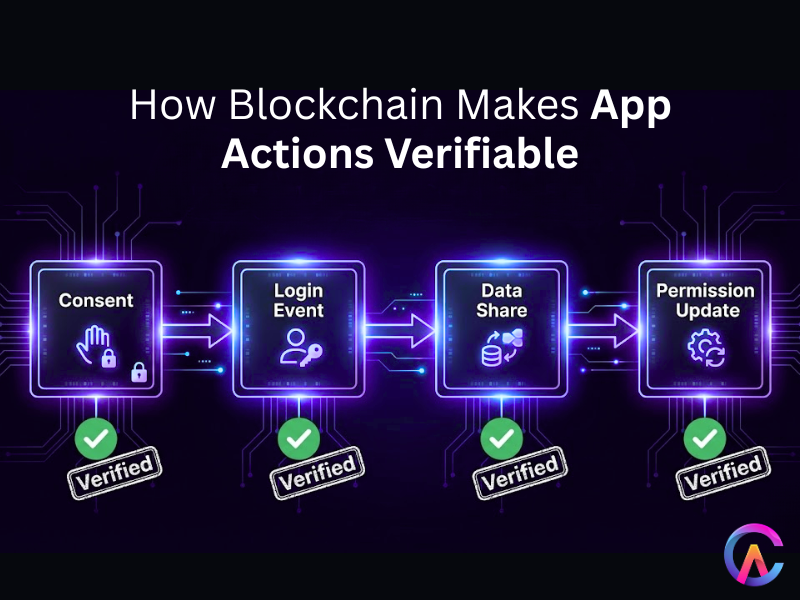
Each transaction, every permission, any app activity, or data transfer logged on chain gets locked in with a time stamp. So people plus authorities check what happened anytime, straight from the source, no need to just trust the app maker.
2. Decentralized Trust Model
With blockchains, info isn’t locked under one group’s control. it spreads across many systems instead. That setup cuts down on manipulation chances because no lone actor can alter records without others noticing. So apps built this way tend to answer better for their actions.
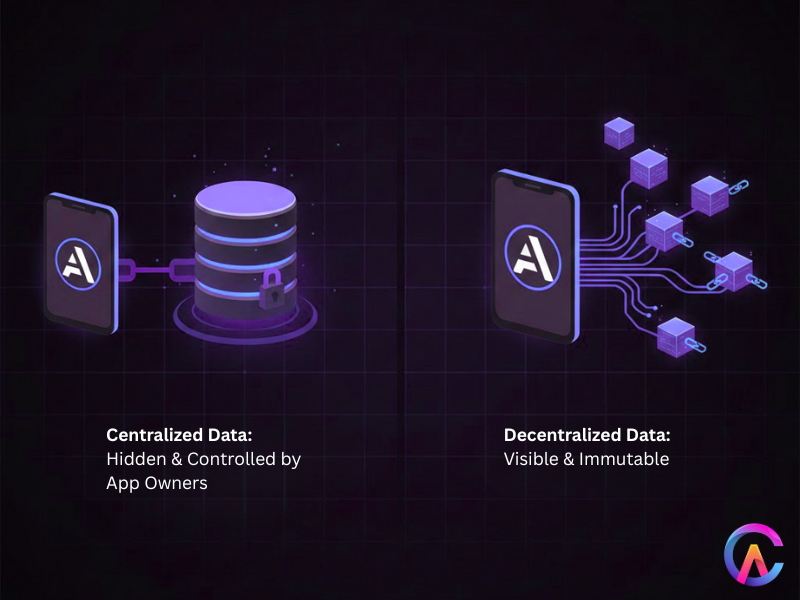
3. User Empowerment and Data Ownership
With decentralized ID plus tokens, people see exactly what info they’re sharing, alongside who gets it and when. Using blockchain, folks allow access only to approved parties while pulling it back anytime, keeping control firmly in their hands.
4. Transparent Algorithmic Governance
Smart contracts put app rules on a public ledger, so people see exactly how choices happen. Rules for suggestions run through code that’s visible to everyone. Data use policies show up transparently, making it clear who does what. Users get full visibility, while checkers can verify every step without guessing.
5. Incentivized Feedback and Participation
Tokens or badges on blockchain might push people to act openly like checking how info is used, calling out misuse, or joining group decisions, with small perks as nudge.
Practical Use Cases of Blockchain Transparency in Mobile Apps
Privacy and Data Consent Management
Apps save your choices about permission plus data use straight onto the blockchain, so you can check or cancel them whenever, no need to rely on the app makers.
Supply Chain and Provenance Tracking in Retail Apps
Ecommerce apps rely on blockchain so buyers see where products come from, their verified labels, or how they’ve moved, building confidence without guesswork.
Transparent Loyalty and Reward Programs
Folks can keep an eye on rewards, how they’re handed out or used, thanks to blockchain powered tokens, which also move easily between linked platforms.
Secure and Transparent Immutable Logs
Banks plus hospitals use blockchain to keep records safe, so no one can mess with them, fake info, or sneak in without permission.
Algorithmic Transparency for Content and Advertising
Some apps put bits of their code or ad rules onto the blockchain, so people or outside tools can check if things are fair. Instead of just trusting, you get proof through open records that show how decisions are made.
Business Benefits of Blockchain Enhanced Transparency
- Creates confidence through clear checks, while actual control of info plus perks keeps people coming back
- Mitigates regulatory risk by showing clear consent, proven data protection cuts legal exposure while meeting standards without guesswork
- Different apps stand out when they’re honest, this honesty beats others in busy markets because it builds trust instead of hype
- Opens up fresh ways to handle tokens, lets communities make decisions together, while also creating paths to earn from data use
- Fewer scams, less tampered content, also fewer angry customers, brand image gets better
Implementation Considerations and Challenges
- Setting up blockchain needs know how plus some cash for equipment
- User experience should mix clear info with ease, so it doesn’t feel messy or confusing
- Speed and size issues need smart blockchain setup because poor structure slows everything down, so clever planning matters when building systems that grow
- How rules apply to blockchain data might differ, so get advice from a lawyer
- Telling people how blockchain helps them, so they actually use it, makes more folks jump on board
How Codearies Drives Mobile App Transparency Powered by Blockchain
With Codearies, brands tap into clear tech benefits using full cycle app creation, crafting, building, rolling out smart phone tools that just work. One step at a time, we shape ideas into real digital products people use every day.
Our approach includes:
- Guidance on clear objectives that match what your audience expects, while meeting rules tied to their region. Help shaping honest practices based on real user demands instead of generic standards
- Blockchain setup plus building self running contracts, built so you can check every action, control your own info, tied with unchangeable permission logs
- Easy connection to the app’s core system along with digital wallets so users handle their info and tokens without hassle
- Custom UX design prioritizing clear communication of blockchain audit trails and user rights without technical complexity
- Building token systems that reward openness, which boosts user involvement while shaping how decisions are made
- Always on protection, room to grow, plus checks that keep things safe, so trust builds steady without hiccups
Teaming up with Codearies helps your mobile app become more transparent, while also building lasting customer trust and boosting long term gains. What’s more, it creates a stronger foundation for growth without relying on hype or empty promises.
Frequently Asked Questions
Q1 Which kinds of apps gain the biggest advantages from clear blockchain records?
Apps that guard your data, money tech, health services, online shops, delivery networks, reward setups, alongside community hubs, they’re ahead where trust matters most.
Q2 Could blockchain in phone apps work alongside old-school databases?
Yes, hybrid setups use blockchain to keep key actions visible, yet rely on fast back end systems for data handling instead.
Q3 How fast can Codearies set up blockchain transparency tools?
A basic sign off system might go live in a month or two, though reward setups with rules often take half a year. Setup time jumps when more checks and balances are needed instead of just quick approvals
Q4 What’s your way of teaching people about clear blockchain records?
We create easy to follow setup guides, live tracking tools, also clear overviews so anyone can grasp what blockchain offers
Q5 Does blockchain openness fit rules like GDPR?
With privacy built in from the start, along with strong encryption and giving users real say, blockchains might actually help meet rules more easily.
For business inquiries or further information, please contact us at