
Creating a food delivery app now involves setting up a full system where users, eateries, and couriers link through quick orders, hassle free payments, but live updates, all in one spot. Staying competitive calls for solid features, flexible technology, yet a good grasp of expenses tied to building such an app, so it evolves from basic version into a working, money making service
How food delivery apps work
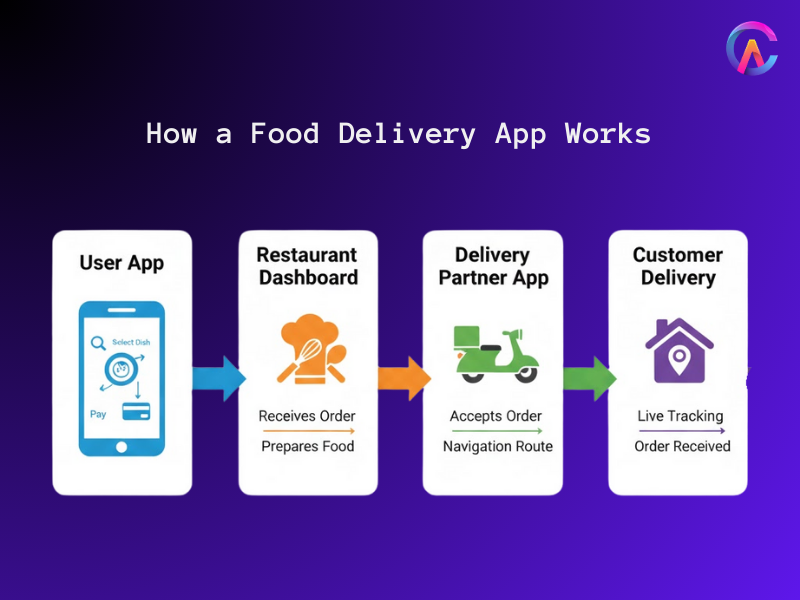
Food delivery apps connect people looking for meals with eateries making them, while drivers, either company workers or outside helpers, take care of getting orders to doors. This setup links finding a spot, checking menus, placing orders, paying up, sending out food, watching its progress, plus sharing thoughts afterward, all through one smooth online process, letting everyone involved know their role right away
Important parts of today’s meal delivery apps
- Client tool to place orders, also check delivery status
- Food spot or seller dashboard to tweak menus plus handle orders
- Courier app handling drop offs
- Dashboard to manage stats or help
Read how AI and Data Analytics are revolutionizing food delivery apps.
Key things your meal delivery app needs
A solid food delivery app begins by outlining key features for each user, this keeps things smooth and dependable, no matter how big it grows
Customer app features
- Sign up fast, log in quick, skip steps as a visitor, store your location details, also keep account info locked down safe
- Find restaurants fast using taste tags, pick spots by meal type or cash level, skip slow picks with speed ratings baked in when you hunt eats close by
- Look through menu, pick items, tweak extras if needed, apply discounts before paying with clear pricing shown upfront
- Pay how you like, cards, wallets, UPI, or cash when it arrives. Safe checkout built right in
- Get updates fast through alerts when your order moves. Or check it live inside the app anytime. If something’s off with your purchase, help’s built right in, just tap to fix things. No waiting around
- Ratings, feedback, past buys, tap once to repeat orders, keep customers coming back
Food spot or seller dashboard
- Setting up a restaurant’s account needs profile info plus verification checks that must get approved. Staff schedules are handled separately but linked to the main system
- Choose dishes, set prices, add pics, show stock levels or discounts using sections
- Stay on top of orders with real time updates, like when a new one comes in, what’s being prepped, or which are set for collection
- Analyze sales data, pick best sellers, study cash flow while swapping in customer opinions that shape choices
Courier or delivery driver app
- Profile setup KYC and availability toggles
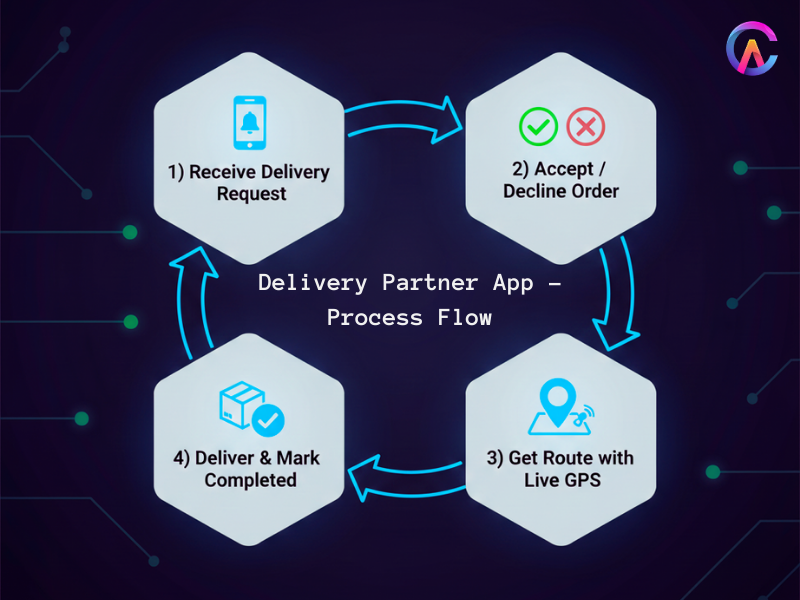
- New order alerts let you approve or skip plus smarter path choices for faster drop offs
- Get real time directions using GPS, plus live updates on where your package is. You’ll also have ways to confirm it was delivered
- Earnings breakdowns, perks also how you cash out
Admin panel
- Running customer accounts, eateries, delivery folks, plus order flow using roles to control who sees what
- Zones or cities handle drop off spots along with timing windows
- Promos, deals, get discounts through email signups or reward programs
- Tracking income changes, daily business metrics along with how ads are doing
Smart tools plus what’s new
To get noticed in food delivery apps, companies are building smarter tools, using automated systems while opening extra ways to earn income
Important advanced capabilities
- Smart suggestions using past orders plus live activity, boost what people buy. Picks adjust as actions happen, helping customers find stuff they like. This way, each order grows a bit more
- Smart search works with tags such as vegan, healthy, cheap eats, nighttime options, also adds local food trends to match your spot
- Membership plans that include perks like fast shipping, special deals when you stick around, or earning rewards over time.
- A single app handles various items, like food, meds, or everyday stuff, with quick delivery options. One platform manages different needs without switching tools. It brings convenience by covering more than just one type of product.
Emerging trends
- Foggy cooking spots along with pretend eateries built just for drop offs.
- Speak your order instead of typing it, some places now let you try augmented reality to peek at meals before buying.
- Auto systems plus fresh ideas at delivery’s end, like smarter paths or basic bots, are popping up in certain areas.
Tools needed to build a food delivery app
Picking the correct tools for a food delivery app shapes how well it runs, its expenses, also whether it can grow into new areas easily
Frontend and mobile
- Building apps natively with Kotlin or Java on Android, while using Swift for iOS or picking newer cross platform options to speed up creation
- Online panels for eateries and managers built with tools like React or Angular
Backend and database
- Backend languages and frameworks such as Nodejs with Express Java with Spring or similar options that support REST or GraphQL APIs
- Databases such as PostgreSQL, MySQL, or MongoDB store user data, menus, orders, also transaction records, caching helps handle growth
Infrastructure and integrations
- Cloud services like AWS or others handle auto scaling setups plus data storage, also log management
- GPS plus maps help find spots, plan routes for dropping stuff, figure out when it’ll get there
- Payment gateways that use solid fraud protection, while offering local options through wallet services, both keep things safe without hassle
- Get alerts plus messages about your order updates or special offers
Food delivery app creation price
Food delivery app price? It hinges on what kind you want, how many user types it supports, also features’ difficulty, look and feel, tools used, where coders are based. Stats reveal solid estimates once purpose is set
- A basic food delivery app, like, for one eatery or a small launchpad, usually costs from $20k up to $40k when you just need core functions
- Food delivery apps for several mid priced restaurants, including a driver tracker, deals, and data insights, typically cost between $40,000 and $100,000
- Fancy delivery platforms like those big worldwide names, with smart tech that learns your habits, tricky shipping networks, plus service across many areas might run anywhere from eighty grand to around two fifty thousand bucks, sometimes even higher
Extra cost drivers
- Complex UX and custom motion design
- Hookups with outside tools, like, cash registers, customer databases, or reward setups, link up smoothly
- Robust oversight of safety rules plus constant upkeep
What Codearies does when you’re making a food delivery app
Codearies acts like your go to tech buddy, turning your food delivery concept into a live, sleek app. They use solid tools plus fresh design to build what works now. Starting small with an MVP? No problem. They plan each step ahead, so growing later feels smooth. From first sketch to full launch, they stay on track without fluff or fake promises
During early talks, Codearies gets clear on who your users are, where they live, plus how your business actually makes money. After that, they sketch out how customers, eateries, or drivers move through the app – this shapes what features matter most at launch and down the line. Instead of copying others, they build mobile apps and control panels focused on people. Ordering feels natural, menus stay easy to scan, while live updates keep everyone in sync. The result? Your service runs just as smoothly as big name delivery platforms, but fits your local scene like a glove
When building food delivery apps, Codearies picks up to date tools, like strong backend systems that grow with demand, safe payment options, map features, plus mobile interfaces ready for busy times. They don’t stop at coding, they help test, release, track performance, then keep refining things afterward. Whether it’s rolling out membership plans, rewards, or branching into groceries and meds, their updates match how you plan to scale
FAQs
Q1 So you wanna kick off a food delivery app with Codearies, where do you begin?
The initial chat’s about figuring out what you want, Codearies checks your target audience, cash limits, so they can sketch a step by step path. This includes launching basic app functions first, followed by adding more down the line
Q2 What’s the price to build a food delivery app using Codearies?
Price changes based on what you need, how complex it is, or which team members are involved, yet Codearies fits into normal pricing, whether it’s a small startup version or a big system running across cities, once they check your needs, they send a clear breakdown
Q3 How much time does making a food delivery app need?
A simple version for a single city usually takes around two to four months. But fancier setups like ones with driver apps, deep data tools, or coverage across many areas, might need half a year or more. Time changes based on features and how fast users respond
Q4 Can Codearies integrate AI and personalization into the app?
Yes, Codearies could add smart suggestions powered by AI, better search tools that learn from users, along with custom deals based on past orders, these features tap into current habits seen in food apps aiming to boost interaction and sales
Q5 Does Codearies provide post launch support and scaling?
Codearies helps you tweak things after launch, like speed fixes or new tools with solid data checks, so your food delivery app gets better at turning clicks into orders, streamlining deliveries, while keeping more users around as time goes on
For business inquiries or further information, please contact us at