Application

The Future of Subscription Based App Models
Application

The Future of Subscription Based App Models

Read 5 MinSubscription based app models have completely transformed the way we access software, streaming services, and various tools. Just think about it, everything from Netflix to productivity platforms like Notion relies on this recurring revenue model, which has become a massive trillion dollar industry. However, as we look ahead to 2026, we’re seeing signs of user fatigue and a surge in AI driven personalization, suggesting that this model might need to adapt. So, what does the future have in store for subscription apps? Will they continue to flourish, or will they need to change course? Let’s dive into the trends, challenges, innovations, and predictions that lie ahead. The Rise and Dominance of Subscriptions Today Since 2010, subscriptions have taken off, largely thanks to SaaS (Software as a Service). Users are now paying monthly or annually for unlimited access, which creates a steady stream of revenue for creators. According to Statista, the global subscription economy reached a whopping $1.5 trillion in 2025, with popular apps like Spotify and Adobe Creative Cloud leading the charge. So, what’s driving this trend? For businesses, the average churn rate is around 5-7% monthly, which is much better than the one time sales model. For users, there are no hefty upfront costs, plus they get constant updates. Mobile apps are at the forefront of this movement, 90% of the top grossing iOS apps utilize subscriptions. But there are some warning signs. “Subscription fatigue” is impacting 40% of users, many of whom are juggling over ten different services. With economic pressures ramping up in 2026, we can expect to see more cancellations. Key Trends Shaping Subscription App Futures Innovation keeps subscriptions relevant. Here’s what’s trending. AI Driven Personalization and Usage-Based Pricing The future of subscriptions is likely to move beyond just flat fees. With AI analyzing user behavior, we could see tiered pricing models, think Spotify’s DJ mode or fitness apps that charge based on the number of workouts. Usage based pricing (pay per use) is merging with subscriptions, helping to cut down on waste. By 2026, we might see predictive billing powered by machine learning that anticipates user needs and automatically adjusts plans. This could help combat subscription fatigue by ensuring users always feel they’re getting their money’s worth. Bundling and Super Apps Standalone apps are losing their shine, bundles are taking the lead. Just look at Apple One or Amazon Prime, which bring together video, music, and cloud storage all in one package. Super apps like WeChat are stepping it up by merging payments, social interactions, and various services under a single subscription. The trend? Ecosystem bundles. Gaming platforms are now bundling titles with cloud saves, while productivity suites are incorporating AI assistants to enhance user experience. Web3 and Blockchain Subscriptions We’re seeing the rise of crypto native subscriptions. NFTs are offering lifetime access, and tokens are being used to reward loyalty. Platforms like Friend tech are leveraging social tokens to provide exclusive content to their users. Decentralized subscriptions are also making waves, utilizing smart contracts for auto renewals while giving users control over their data, perfect for those who prioritize privacy. Freemium Evolutions and Micro Subscriptions The freemium model (offering a free core with paid upgrades) is still around, but it’s evolving. Now, AI is dynamically gating premium features. Micro subscriptions are popping up, charging just a few cents daily for niche perks, like access to daily meditation sessions.   Challenges Threatening Subscription Sustainability No model is bulletproof. Subscriptions face headwinds. Churn and Customer Acquisition Costs High churn rates, sometimes hitting 15% in competitive markets can really eat into your profits. Plus, acquisition costs can skyrocket, often exceeding $100 per user through ads. To keep customers around, it’s all about creating delight, not just offering features. During economic downturns, users are more likely to hit the pause button, they want the option to pause their subscriptions without facing penalties. Regulatory Scrutiny and Privacy Laws The EU’s Digital Markets Act and various US privacy bills are cracking down on “dark patterns,” like subscriptions that are tough to cancel. Apps will need to make it easier for users to opt out and be transparent about how their data is used. With cookie deprecation, businesses are shifting towards first party data strategies. Competition from Free Alternatives Open source AI tools and ad supported apps are chipping away at paid subscriptions. After all, why pay for ChatGPT when there are free LLMs that do the job? Innovations and Strategies for the Future Winners adapt. Strategies define subscription app success. Lifetime Value Optimization It’s crucial to focus on Lifetime Value (LTV) rather than just chasing quick wins. Gamification can really enhance engagement, think streaks, badges, and community perks. Personalized onboarding can reduce early churn by as much as 30%. Hybrid Monetization Models Consider blending subscriptions with one time purchases or ads. SuperFollows on X combine subscriptions with tips, while tiered plans (basic, pro, enterprise) cater to all user segments. Global Expansion Tactics Localizing pricing can make a big difference, offering lower prices in emerging markets is key. Accepting crypto payments can help avoid foreign exchange fees, especially for Web3 users. For example, Duolingo’s pivot to AI tutors and family bundles in 2026 led to a 25% increase in subscriptions. Calm’s integration of wearables for sleep tracking also boosted retention. Predictions for Subscription Apps by 2030 Expect transformation: According to Gartner, around 60% of apps will be hybrid, combining subscriptions with usage based models. Imagine AI agents taking charge of your subscriptions, negotiating the best deals across various services for you. We’ll see metaverse integrations, where virtual real estate becomes part of subscription offerings. There’s a growing emphasis on sustainability, with carbon neutral apps appealing to eco conscious users. The subscription model isn’t going anywhere, instead, it will evolve into smarter, more user friendly systems. The key to success will be focusing on transparency, delivering real value, and embracing innovation. How CodeAries Helps Customers Achieve Subscription Success CodeAries is all about crafting innovative app solutions designed to drive recurring revenue
Building Secure Payment Gateways in Apps
Application

Building Secure Payment Gateways in Apps

Read 9 MinSecure payment gateways are the foundation of apps providing protection for sensitive cardholder information facilitating smooth payments PCI DSS compliance tokenization encryption biometric authentication 3DS2 fraud protection turning 25 percent abandoned carts revenue increase worldwide payment options UPI Apple Pay Google Pay cryptocurrencies BNPL buy now pay later. Conventional insecure payment systems data thefts multimillion dollar fines PCI DSS noncompliance customer trust loss suffer in comparison to secure payment gateways end to end encryption no stored card info server side token vaults network tokenization Apple Google token services dynamic 3D Secure real time fraud analysis machine learning behavioral biometrics device fingerprinting supporting 99.99 percent availability sub 200ms authorization response times. Semantic clustering topic authority secure payment gateway implementation focuses search intent mobile app payment integration PCI DSS compliance 2026 payment gateway security best practices fueling SERP featured snippets AI powered answer generation answer engine optimization EEAT guidelines Experience Expertise Authority Trustworthiness entity clarity payment gateway tokenization 3DS2 fraud protection. Payment gateways handle 8 trillion transactions annually 2026 mobile commerce accounts for 55 percent of total e-commerce necessitating foolproof security systems safeguarding cardholder information CVV expiration dates billing addresses PCI DSS Level 1 compliance obviating breach risks regulatory penalties customer defection safeguarding brand reputation revenue stream. PCI DSS Compliance Foundation Secure Payment Processing The PCI DSS, or Payment Card Industry Data Security Standard, lays out 12 essential requirements designed to safeguard cardholder data. This includes network segmentation, firewalls, encryption, access controls, monitoring, logging, and vulnerability management, all crucial in protecting around 4 billion global cards. With annual data breaches costing an average of $4.5 million, it’s clear why compliance is vital. Level 1 service providers, who process over 6 million transactions each year, must undergo quarterly external scans, annual onsite audits, and quarterly internal scans to maintain their compliance status with PCI DSS v4.0, which will have enhanced requirements by 2026, including multi factor authentication and privileged access controls. For Level 2 merchants, the Self Assessment Questionnaire (SAQ) simplifies the process. Those using hosted payment pages or fully managed gateways can significantly reduce their compliance burden. Service Provider Level 1 gateways take on the PCI compliance responsibilities, allowing merchants to eliminate card data storage and transmission on their servers by implementing secure iframe and SDK solutions. PCI DSS core requirements payment gateway compliance Secure network firewalls and segmentation to isolate the cardholder data environment Access controls that enforce least privilege, multi factor authentication, and management of privileged accounts Data protection through strong cryptography for both transmission and storage, including tokenization Vulnerability management with regular patching, security updates, and dependency scanning Continuous monitoring and logging for anomaly detection and incident response Policies and procedures that include annual risk assessments and third party compliance checks Achieving PCI compliance can eliminate up to 80% of breach vectors, help avoid million dollar fines, build customer trust, and ensure eligibility for insurance, all while preserving business continuity and supporting revenue growth. Tokenization Replacing Sensitive Data Secure Identifiers Tokenization is a process that transforms sensitive information like primary account numbers (PAN), CVV, and expiration dates into unique tokens. These tokens act as non sensitive identifiers, allowing for PCI scope exclusion, which means they can be stored and transmitted securely. This is especially useful for recurring payments, subscriptions, and one click checkout options where card information is kept on file. When it comes to network tokenization, services like Visa Token Service, Mastercard MDES, Apple Pay, and Google Pay create device specific tokens and dynamic cryptograms. This approach has been shown to reduce fraud by 60% and improve authorization rates by 5%, while also optimizing interchange fees. Vault tokenization involves using proprietary tokens with domain restricted lifecycle management and detokenization processes. This method is PCI compliant and utilizes hardware security modules (HSM) that are FIPS 140-2 Level 3 certified, ensuring that token domains are isolated from breaches. The orchestration of token provisioning allows for seamless user experiences, incorporating biometric and silent authentication methods. Tokenization types security benefits fraud reduction Network tokens from Visa, Mastercard, Apple, and Google, which use dynamic cryptograms to cut fraud by 60%. Vault tokens that are proprietary to gateways, ensuring PCI scope exclusion for recurring payments. Device tokens linked to mobile wallets, providing cryptogram protection through biometric authentication. Token lifecycle management that includes provisioning, suspension, and detokenization orchestration. Domain restrictions that help isolate breaches and segment token vaults. Overall, tokenization significantly reduces the need for storing and transmitting live card data, leading to a 99% reduction in breach impact. This enables features like card on file subscriptions and one click payments, ultimately optimizing revenue. Encryption Protecting Data Transit Storage Strong Cryptography TLS 1.3, the Transport Layer Security standard, is set to become mandatory by 2026. It features Perfect Forward Secrecy (PFS) with ephemeral key exchanges using ECDHE cipher suites and AES 256 GCM encryption, which safeguards card data during transmission. This setup helps prevent man in the middle attacks, eavesdropping, and session hijacking. Certificate pinning, particularly through public key pinning (HPKP), mitigates risks associated with compromised certificate authorities and rogue certificates, ensuring that connections remain trustworthy. With end to end encryption (E2EE), the app and device payment gateway utilize a zero trust architecture, employing ephemeral session keys and forward secrecy to protect data from its origin to its destination, effectively eliminating the need for server side decryption and storage. FIPS 140-2 Level 3 hardware security modules (HSM) are in place to safeguard private keys, PIN blocks, and cryptogram generation, ensuring compliance with cryptographic standards. Encryption protocols modern security standards TLS 1.3 with PFS, ECDHE, and AES 256 GCM is mandatory by 2026, eliminating downgrade vulnerabilities. Certificate pinning through HPKP helps eliminate trusted CA risks and protects against rogue certificates. End to end encryption (E2EE) with ephemeral keys supports a zero trust architecture. HSMs meeting FIPS 140-2 Level 3 standards ensure private key protection and cryptogram generation. Post quantum cryptography employs lattice based algorithms to provide quantum resistance. Modern encryption techniques significantly reduce the risk of transit interception by 95%, while quantum safe cryptography helps

Why Cross Platform App Development Is Gaining Popularity
Application, Mobile Apps

Why Cross Platform App Development Is Gaining Popularity

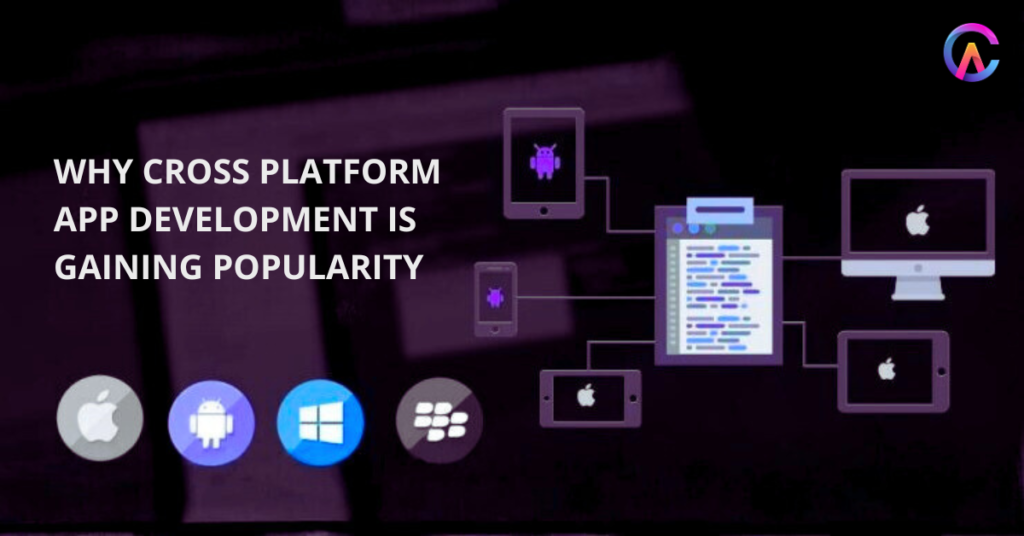
Read 10 MinCross platform app development has really taken off, allowing developers to create a single codebase that works across multiple platforms like iOS, Android, web, desktop, wearables, and tablets. This approach can cut development costs by up to 70% and speed up time to market by 40%, all while ensuring a consistent user experience and a unified brand identity across devices. Businesses and startups are increasingly favoring a “write once, run anywhere” strategy, utilizing frameworks like Flutter, React Native, Xamarin, Ionic, and Kotlin Multiplatform. These tools help achieve native like performance, advanced animations, hardware access, and cloud integrations, all while meeting the expectations of users in 2026 who demand seamless experiences everywhere. The rise in popularity of cross platform app development is also linked to semantic clustering and topical authority, which target search intent. The benefits of cross platform mobile development are clear, especially when considering the best frameworks for 2026 that offer cost savings and a unified user experience. This focus drives SERP featured snippets and AI generated answers, enhancing answer engine optimization and emphasizing EEAT signals (Experience, Expertise, Authoritativeness, and Trustworthiness) while ensuring clarity around entities in cross platform development trends. In contrast, traditional native development often involves separate teams for iOS (using Swift) and Android (using Kotlin), which can double development costs and lead to maintenance headaches. This approach can result in inconsistent user experiences, platform specific bugs, and fragmented user journeys, not to mention slow feature rollouts and version fragmentation. Cross platform solutions, with their single codebase and shared logic, streamline design systems and CI/CD pipelines, enabling rapid iteration and continuous delivery of updates, whether weekly or monthly. With around 5 billion smartphone users and a wide variety of devices, price points, operating systems, and screen sizes, the demand for unified experiences is stronger than ever. Cross platform frameworks are stepping up to deliver native performance, consistent animations, gestures, hardware access, and real time scalability with cloud native backends. Cost Efficiency Single Codebase Multiple Platforms Revenue Impact Cross platform development can cut development costs by a whopping 70 percent. It eliminates the need for separate native teams of specialized iOS and Android developers by using shared, cross functional squads that work from a single codebase. This means maintenance is easier, testing is streamlined, and CI/CD pipelines are unified, leading to smoother QA processes. For startups and SMBs, this approach helps preserve budgets for marketing and user acquisition, allowing them to focus on growth hacking instead of getting caught up in platform wars. Enterprises can also benefit by consolidating their fragmented app portfolios and modernizing legacy applications with a single investment that opens up multiple revenue streams. Having a single codebase not only reduces technical debt but also gets rid of platform specific bugs and version fragmentation. It simplifies coordination, enabling smaller, more efficient teams made up of cross skilled developers, framework specialists, and backend cloud experts to collaborate seamlessly from start to finish without any handoffs or bottlenecks. This future proof architecture is designed to support emerging platforms like foldables, automotive applications, tablets, wearables, AR/VR glasses, and televisions, all from one investment that caters to multiple form factors, ensuring long term ROI. Financial impact cross platform vs native development Development costs can be slashed by 70 percent thanks to a single codebase that works across multiple platforms with shared teams and unified pipelines. Maintenance costs can drop by 60 percent since a single update can be deployed everywhere, eliminating the need for platform specific patches. Team efficiency can see a boost of 50 percent with cross functional squads that don’t require specialization in iOS or Android. Time to market can be accelerated by 40 percent with simultaneous iOS and Android launches, leading to quicker MVP validation and revenue generation. Technical debt is eliminated with a unified architecture and shared logic design systems, preventing fragmentation. Businesses can achieve a 3x ROI faster by capturing both iOS and Android markets at the same time, all while preserving resources and scaling innovation in marketing and retention. This helps maintain a competitive edge in a rapidly evolving digital landscape. Unified User Experience Consistent Brand Identity Everywhere Users are looking for smooth experiences when switching between their iPhone, Android, tablet, laptop, smartwatch, and television, expecting the same functionality, visuals, interactions, brand voice, and personality across the board. Cross-platform frameworks provide pixel-perfect, consistent UI, animations, transitions, gestures, haptics, typography, and colors, all while sticking to brand guidelines and design systems. This approach helps eliminate those jarring platform switches that can create friction in the user experience. Advanced cross-platform frameworks like Flutter and React Native can achieve a native performance of 60 frames per second, thanks to hardware-accelerated graphics and GPU rendering. This results in smooth scrolling, complex animations, and 3D transitions that feel just like native applications, while also accommodating platform-specific nuances with Material Design and Cupertino widgets. They offer adaptive layouts and responsive designs to ensure optimal experiences on every screen size and device category. Unified UX benefits customer retention revenue growth It maintains consistent branding and visual identity, which helps preserve brand recognition, trust, and familiarity. Users can switch between platforms effortlessly, enjoying identical workflows, gestures, shortcuts, and intuitive navigation. Personalized experiences are made possible through shared user data, preferences, and settings, allowing for a seamless continuation of their journey. Accessibility compliance is achieved through unified implementations, including support for screen readers, voice control, reduced motion, and high contrast. Offline capabilities are enhanced with shared caching and synchronization, ensuring identical behaviors whether online or offline. Consistent experiences can boost retention by 35%, reduce churn by 28%, and increase lifetime value (LTV). Unified analytics and cross-platform attribution help track multi-touch journeys, eliminating platform silos and providing more cohesive insights. Faster Time Market Rapid Iteration Continuous Delivery Cross-platform development speeds up MVP launches by 40%, allowing for simultaneous releases on both iOS and Android. This means real user testing happens across platforms, leading to quicker feedback loops, rapid iterations, and continuous delivery with updates every week or two, all while meeting the

Progressive Web Apps (PWAs): The Future of Cross Platform Development
Application

Progressive Web Apps (PWAs): The Future of Cross Platform Development

Read 5 MinWeb and mobile still matter most when reaching people online even as tech changes fast. By 2026, one thing stands out: Progressive Web Apps, or PWAs, are shifting how apps work across devices. They mix a website’s reach with an app’s speed and features, no compromise. That means companies can offer smooth, quick interactions no matter the gadget someone uses. Think less downtime, live alerts, simpler sharing, lower costs, all reasons devs lean into PWAs now. These tools aren’t just changing app creation, they’re reshaping how folks use digital stuff every day. This blog checks out what PWAs are, shows why they’re gaining traction, highlights key tech perks, while explaining ways your company can use them, teaming up with skilled allies such as Codearies boosts results. What Is a Progressive Web App A PWA’s a website made with up to date tools that feels like an actual app when used in your browser, no download needed from any store. These apps mix features from regular sites and phone specific ones, so you get speed plus convenience PWAs work on one code setup no matter the device, be it phone tablet or desktop or even newer tech popping up lately cutting dev hassle big time while keeping upkeep smooth. Why PWAs Are Gaining Momentum The demand for PWAs comes from various shifts in tech and what users want now instead of just business choices or design fads Most people more than 85% like sites that open fast, meanwhile, about 7 out of 10 want access without internet, something PWAs handle way better than regular web apps Core Technical Advantages of PWAs Offline and Low Connectivity Support Service workers store data offline so apps keep working without steady signal, that’s key when networks drop, especially on phones in developing areas. Instant and Seamless Updates Installed apps need updates, but PWAs refresh themselves quietly whenever someone opens them, so they always have new stuff ready without any extra steps. Lightweight and Performance Optimized PWAs take up less room on your phone, so they work quicker, especially if you’ve got an older model or not much free space. Push Notifications and Background Sync Reach out before users do, send alerts or deals straight to their phone, no need to launch the app. This keeps them coming back while boosting sign ups and sales. Easy Cross Platform Compatibility A single PWA works across Android, iOS, desktops also smart TVs using flexible designs. This cuts out separate native apps, plus avoids expensive store listings. Better SEO and Discovery Because PWAs can be found by search engines, they get noticed through regular searches or when people share them online, this drives visits while keeping user pickup costs low. Use Cases Driving PWA Adoption Big names such as X(Twitter), Starbucks, Uber, also Tinder, have used PWAs well to connect with people quicker while keeping more users around. Instead of losing customers fast, they’ve stayed sharp by loading faster and working offline. Challenges and Considerations Even with these issues, demand is pushing fast progress, so uptake keeps growing quickly. How Codearies Powers Your PWA Success Codearies uses solid skills in today’s web and app tools to create PWAs that keep people engaged while boosting company results. Our approach includes: At Codearies, your PWA becomes more than a site or app, it’s a smooth, all in one journey ready for tomorrow’s digital world. Frequently Asked Questions Q1 Which kinds of companies gain biggest advantages from PWAs? Retail, media, or SaaS startups often gain more ground with PWAs since they work across devices without apps. Fintechs use them to stay accessible while cutting costs on development. Travel brands rely on quick loading times so users don’t bounce mid search. Q2 Can PWAs replace native apps completely? Most everyday uses? Sure, PWAs work just fine, smooth experience, easier to find, simpler updates. Yet certain games or heavy duty tools might need a native app instead Q3 How do PWAs impact user acquisition costs? PWAs save money because they show up in search results, spread fast through links, also skip app store charges Q4 Is Codearies able to upgrade existing websites to PWAs? Yes, we upgrade old websites into full featured PWAs without causing downtime Q5 How do PWAs improve SEO compared to traditional apps? Besides being indexable, PWAs show up more in searches, so traffic grows while users stick around longer For business inquiries or further information, please contact us at  contact@codearies.com  info@codearies.com 

Scroll to Top

Have A Project In Mind?

Popuo Image