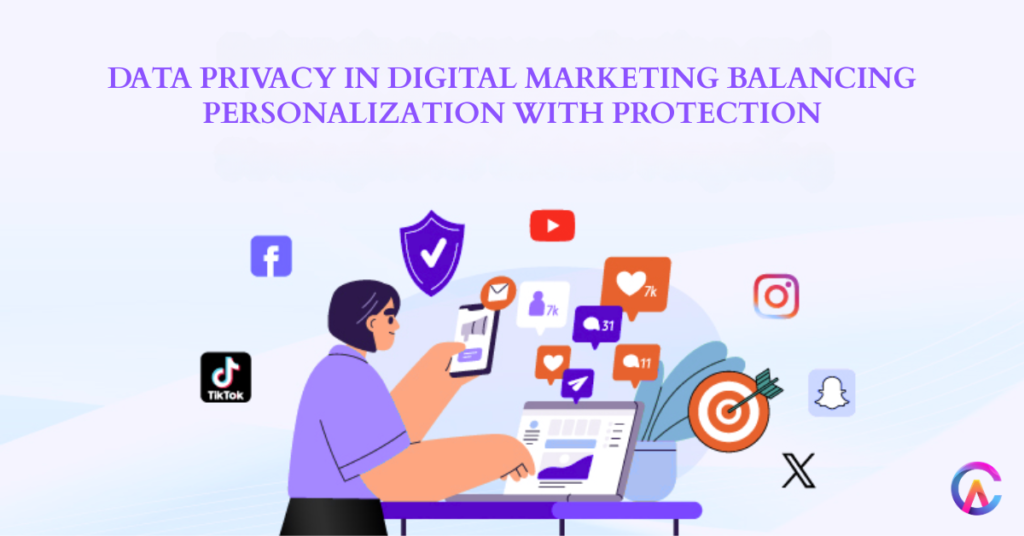
Data Privacy in Digital Marketing: Balancing Personalization with Protection
Read 5 MinDigital marketing now sits where new ideas meet rules. When companies try to make custom messages that click with people, keeping personal info safe becomes tougher by the day. Balancing tailored ads with honoring how users want their data handled isn’t just about following laws, it’s a smart move. Doing it well can earn steady trust and keep customers coming back. This clear walkthrough dives into how data privacy’s changing in online marketing, showing why tailored experiences should walk hand in hand with strong safeguards, covering major rules companies follow, practical steps experts recommend, while highlighting ways tech allies such as Codearies support brands in staying safe and smart without losing momentum. Why Data Privacy Matters More Than Ever in Digital Marketing People care way more about their private info these days. Recent reports show most online users, more than eight out of ten, expect better say over who grabs their data and why. Scandals plus leaks shattered confidence for good. For brands digital marketing must: Failing to protect personal info pushes people away, causes weaker involvement, also drives up repair costs. Personalization Versus Privacy The Modern Marketer’s Dilemma Personalization works by gathering specific info to adjust content, deals, and experiences for individuals, making them more meaningful and boosting response rates. However, if tracking feels intrusive or is managed badly, it often leads to pushback. The aim? Personal touches that adapt over time, using grouped info stripped of identities or clear OKs from users instead of sneaky tracking. Relying on tools that guard privacy helps brands tailor moments while staying within fair and lawful limits. Regulatory and Ethical Frameworks Impacting Marketing Strategy Marketing’s gotta stay quick on its feet, tight with legal advice, yet lined up with smart tech moves. Technologies Enabling Privacy First Personalization Best Practices for Marketers Be Transparent and Educate Break down the info, what details you gather, the reason behind it, how it’s saved or put to use. Keep sign up and drop out hassle free, stick to what people choose. Minimize Data Collection Just collect what actually helps users or adds real benefit, toss out anything extra or old that’s just sitting around. Empower Users Show dashboards so users can check what info you keep, let them tweak their privacy choices without hassle. Use Privacy-preserving Analytics Use tools that give useful info while still protecting personal data. Regular Security Audits and Compliance Checks Stop leaks by fixing flaws, while preparing records for checks Personalize Responsibly Use clear access rules, live situational inputs, or masked details to shape interactions responsibly. Balancing Personalization and Privacy in Action Top companies now focus on context based ads by watching crowd habits and short term tags instead of following people across websites. Some connect with users through privacy friendly reward systems, leveraging blockchain so individuals manage their info and earn digital tokens for joining in. How Codearies Enables Privacy First Digital Marketing Excellence With Codearies, companies get help striking a fair mix, custom experiences without risking privacy, using smart tools paired with clear direction. Our services include At Codearies, folks get tailored experiences that grab attention yet stay private. Each touchpoint builds confidence without compromise. Frequently Asked Questions What’s Codearies’ way of keeping marketing within global privacy rules? We work alongside legal specialists, using their insights to build solid consent setups, keep clear records, or update tech as rules shift Is it possible to personalize well without invading privacy? Yes, using tools that protect privacy, while relying on user approved data, lets you build personalized moments that feel right, yet don’t cross the line Can Codearies handle privacy plus personalization across different channels? For sure, our system ties together data plus permissions on websites, phones, social media, also customer databases so your campaigns stay uniform and follow rules How do we educate customers on privacy choices without losing engagement? We build straightforward ways to connect, using simple tools that help users feel in control, while showing how tailored experiences work when they say it’s okay. How does Codearies keep helping with privacy rules over time? We keep an eye on things nonstop, plus we refresh our methods regularly, so when rules change or audits pop up, we react fast using updated tactics that fit each situation. For business inquiries or further information, please contact us at contact@codearies.com info@codearies.com