Uncategorized

Uncategorized

Mastering Blockchain Compliance in 2024: Key Regulatory Insights and Strategies

Mastering Blockchain Compliance in 2024: Key Regulatory Insights and Strategies Introduction The rapid evolution of blockchain technology has brought transformative changes to various industries, from finance to supply chain management. However, the full potential of blockchain can only be realized through effective regulatory frameworks that ensure security, transparency, and trust. As we move into 2024, mastering blockchain compliance has become crucial for businesses looking to leverage this technology. In this comprehensive guide, we will explore key regulatory insights and strategies for navigating the complex landscape of blockchain compliance. Importance of Regulation in the Growth and Adoption of Blockchain Technology Regulation plays a pivotal role in the growth and adoption of blockchain technology. It provides a legal framework that protects consumers, ensures market integrity, and fosters innovation. Proper regulation can help mitigate risks such as fraud, money laundering, and cyberattacks, thereby enhancing trust in blockchain solutions. Moreover, clear regulatory guidelines can attract investments by reducing uncertainty and providing a stable environment for businesses to operate. Global Regulatory Overview Regulatory approaches to blockchain and cryptocurrencies vary significantly across the globe. Understanding these differences is essential for businesses operating in multiple jurisdictions. United States: Recent Legislative Changes and Their Implications for Blockchain Companies In the United States, the regulatory environment for blockchain has been evolving rapidly. Recent legislative changes have aimed to provide greater clarity and support for blockchain innovation while addressing concerns related to security and fraud. The introduction of the Digital Commodity Exchange Act (DCEA) and the Securities Clarity Act are notable examples. These laws aim to create a clear framework for the classification and regulation of digital assets, distinguishing between securities and commodities. Implications for Blockchain Companies: These legislative changes are expected to reduce legal uncertainties and foster innovation. Companies will need to adapt their compliance strategies to align with new regulatory requirements, ensuring they meet standards for transparency, security, and consumer protection.   European Union: The Impact of the Markets in Crypto-Assets (MiCA) Regulation The European Union has taken a proactive approach to regulate the crypto market through the Markets in Crypto-Assets (MiCA) regulation. MiCA aims to provide a comprehensive regulatory framework for crypto-assets, covering issuance, trading, and custody. Key Provisions of MiCA: Authorization Requirements: Crypto-asset service providers must obtain authorization to operate within the EU. Consumer Protection: Enhanced measures to protect consumers from fraud and ensure transparency. Market Integrity: Rules to prevent market abuse and ensure the integrity of crypto markets. Implications for Blockchain Companies: MiCA is expected to harmonize regulations across the EU, making it easier for companies to operate across member states. However, compliance will require significant effort and investment, particularly for smaller firms. Asia: Varying Approaches in Countries like China, Japan, and Singapore Asia presents a diverse regulatory landscape for blockchain and cryptocurrencies. Countries like China, Japan, and Singapore have adopted different approaches based on their unique economic and political contexts. China: China has taken a strict approach, banning cryptocurrency trading and initial coin offerings (ICOs). However, it supports blockchain innovation, particularly in areas like supply chain management and digital currency (DCEP). Japan: Japan has been a pioneer in crypto regulation, recognizing Bitcoin as legal tender and establishing a clear regulatory framework for exchanges and ICOs. The Financial Services Agency (FSA) oversees compliance, ensuring consumer protection and market stability. Singapore: Singapore has positioned itself as a blockchain-friendly jurisdiction with clear regulations under the Payment Services Act (PSA). The Monetary Authority of Singapore (MAS) provides guidance and support for blockchain startups, fostering a conducive environment for innovation. Implications for Blockchain Companies: Companies operating in Asia must navigate a complex regulatory landscape, balancing opportunities for innovation with compliance requirements. Understanding the specific regulations in each country is crucial for successful operations. Opportunities Regulatory clarity can unlock significant opportunities for blockchain companies, fostering innovation and attracting investments. How Regulatory Clarity Can Foster Innovation and Attract Investments Enhanced Trust: Clear regulations enhance trust among consumers and investors, providing a secure environment for blockchain adoption. Investment Attraction: A stable regulatory environment attracts investments by reducing legal uncertainties and providing a clear roadmap for compliance. Innovation Facilitation: Regulatory clarity encourages innovation by providing guidelines that support the development and deployment of blockchain solutions. Case Studies of Companies Thriving in Regulated Environments Ripple (United States): Ripple has thrived by actively engaging with regulators and adhering to compliance requirements. Its focus on regulatory clarity has helped it build partnerships with financial institutions and expand its market presence. BitFlyer (Japan): BitFlyer, a leading crypto exchange in Japan, has benefited from the country’s clear regulatory framework. Its compliance with FSA regulations has enhanced its reputation and attracted a large user base. Coinbase (United States): Coinbase’s proactive approach to compliance has positioned it as a trusted platform for buying, selling, and storing cryptocurrencies. Its adherence to regulatory standards has facilitated its expansion into new markets. Challenges Despite the opportunities, blockchain companies face several challenges related to compliance. Compliance Issues and the Cost of Adhering to New Regulations Complexity of Regulations: The regulatory landscape for blockchain is complex and constantly evolving, making compliance a challenging task. High Compliance Costs: Adhering to regulatory requirements involves significant costs, including legal fees, technology upgrades, and employee training. Risk of Non-Compliance: Non-compliance can result in severe penalties, reputational damage, and loss of business opportunities. Strategies for Companies to Navigate Regulatory Complexities and Mitigate Risks Proactive Engagement with Regulators: Companies should engage proactively with regulators to stay informed about regulatory changes and ensure compliance. Investing in Compliance Infrastructure: Investing in robust compliance infrastructure, including advanced technology and skilled personnel, can help companies meet regulatory requirements efficiently. Collaboration with Industry Bodies: Collaborating with industry bodies and participating in regulatory discussions can help companies influence regulatory developments and stay ahead of compliance challenges. Risk Management: Implementing comprehensive risk management strategies can help companies identify, assess, and mitigate compliance risks. Conclusion The role of ongoing dialogue between regulators and the blockchain community is crucial in shaping the future of blockchain compliance. As we move into 2024, the importance of clear and effective regulation cannot

ai vs ml vs dl
Uncategorized

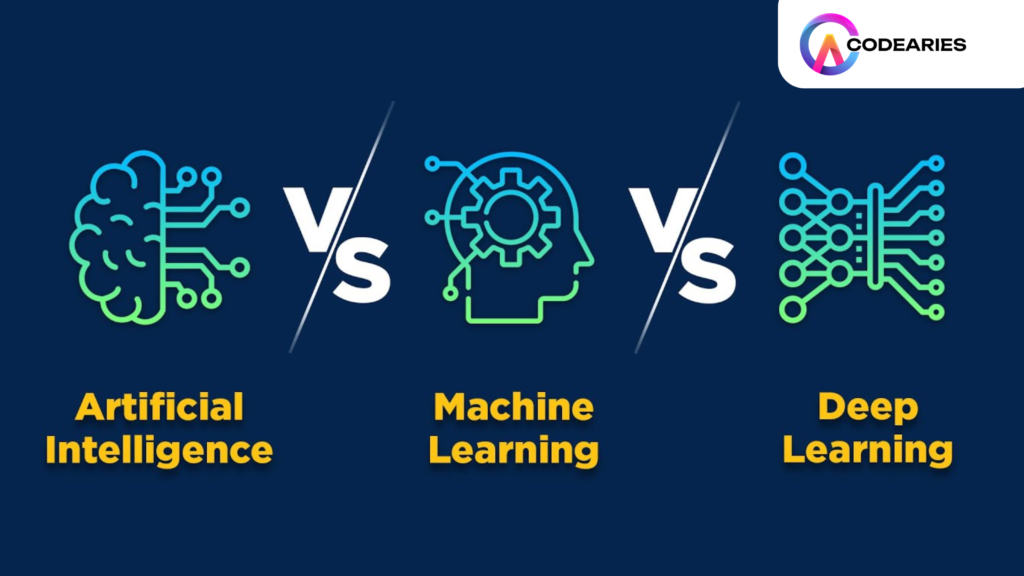
AI vs ML vs Deep Learning: Unraveling the Differences and Future Trends in 2024

AI vs ML vs Deep Learning: Unraveling the Differences and Future Trends in 2024 Introduction In the realm of modern technology, terms like Artificial Intelligence (AI), Machine Learning (ML), and Deep Learning (DL) are often used interchangeably. However, while they are interrelated, they are distinct fields with unique attributes and functionalities. Understanding the differences between these technologies is crucial as they continue to shape various sectors, driving innovation and transformation. Artificial Intelligence refers to the broader concept of machines being able to carry out tasks in a way that we would consider “smart.” It encompasses a variety of technologies and applications, ranging from robotics to natural language processing. Machine Learning, a subset of AI, involves the use of algorithms and statistical models that enable computers to perform specific tasks without using explicit instructions, relying on patterns and inference instead. Deep Learning, a subset of Machine Learning, uses neural networks with many layers (deep neural networks) to analyze various factors of data. As we move further into 2024, the evolution of these technologies is accelerating, pushing the boundaries of what machines can achieve. The rapid advancements in AI, ML, and DL are opening new avenues for innovation, from autonomous vehicles and smart personal assistants to advanced healthcare diagnostics and financial forecasting. In this extensive blog, we will delve into the definitions, functionalities, applications, and current advancements of AI, ML, and DL. We will also explore how these technologies are evolving in 2024, the technological challenges that need to be addressed, and their future potential. Finally, we will provide a comprehensive comparison to highlight the unique features and interconnections of these groundbreaking technologies. Understanding Artificial Intelligence   Definition and History Artificial Intelligence (AI) is the simulation of human intelligence processes by machines, especially computer systems. These processes include learning (the acquisition of information and rules for using the information), reasoning (using rules to reach approximate or definite conclusions), and self-correction. Specific applications of AI include expert systems, natural language processing (NLP), speech recognition, and machine vision. The concept of AI has been around for centuries, with early references found in ancient myths and stories. However, the field of AI as we know it began to take shape in the mid-20th century. In 1956, John McCarthy coined the term “Artificial Intelligence” during the Dartmouth Conference, where the foundational goals and vision for AI were established.   Key Components and Functionalities AI systems typically consist of three main components: Data: The raw material for AI, which includes structured and unstructured data from various sources. Algorithms: The set of rules and procedures the AI system uses to process data and learn from it. Computational Power: The hardware and infrastructure required to process large amounts of data and execute complex algorithms. Key functionalities of AI include: Machine Learning: Enables systems to learn and improve from experience. Natural Language Processing: Allows machines to understand and respond to human language. Robotics: Involves designing and operating robots to perform tasks autonomously. Computer Vision: Enables machines to interpret and make decisions based on visual inputs. Applications of AI in Various Sectors AI is transforming numerous industries by automating processes, enhancing decision-making, and improving efficiency. Some notable applications include: Healthcare: AI-driven diagnostic tools, personalized treatment plans, and robotic surgery. Finance: Fraud detection, algorithmic trading, and personalized financial advice. Retail: Customer service chatbots, personalized shopping experiences, and inventory management. Manufacturing: Predictive maintenance, quality control, and supply chain optimization. Transportation: Autonomous vehicles, traffic management systems, and logistics optimization. AI in 2024 In 2024, AI continues to integrate more deeply into daily life and business operations. Innovations in NLP are making virtual assistants more conversational and context-aware. Autonomous systems, such as self-driving cars, are becoming more reliable and widespread. AI is also playing a critical role in scientific research, accelerating discoveries in fields like genomics and climate science. Exploring Machine Learning (ML) Definition and Basics Machine Learning is a method of data analysis that automates analytical model building. It enables computers to learn from data and improve their performance over time without being explicitly programmed for specific tasks. Types of Machine Learning Supervised Learning: The algorithm is trained on labeled data, learning to predict outputs from given inputs. Examples include spam detection and image classification. Unsupervised Learning: The algorithm identifies patterns in unlabeled data. Examples include clustering customer segments and anomaly detection. Reinforcement Learning: The algorithm learns by interacting with an environment and receiving rewards or penalties. Examples include robotics and game AI. Applications of ML Machine Learning applications span across many domains: Healthcare: Predicting disease outbreaks, personalizing treatments, and analyzing medical images. Marketing: Targeted advertising, customer segmentation, and churn prediction. Finance: Credit scoring, algorithmic trading, and risk management. Agriculture: Monitoring crop health, predicting yields, and optimizing resources. ML in 2024 In 2024, ML is advancing through more efficient algorithms, increased automation (AutoML), and the adoption of federated learning. AutoML is making it easier for non-experts to apply ML techniques, democratizing access to powerful predictive tools. Federated learning allows ML models to learn from decentralized data sources, enhancing privacy and security. Delving into Deep Learning (DL) Definition and Basics Deep Learning is a subset of ML that uses neural networks with many layers to analyze various factors of data. It is particularly powerful in processing unstructured data like images, audio, and text. Components of Deep Learning Neural Networks: Structures inspired by the human brain, consisting of interconnected nodes (neurons). Layers: Networks with multiple hidden layers between input and output layers. Activation Functions: Functions that determine the output of a neuron. Training and Optimization: Techniques such as backpropagation and gradient descent used to improve model performance.   Applications of DL Deep Learning excels in tasks that require pattern recognition in large datasets: Computer Vision: Image and video recognition, facial recognition, and object detection. Natural Language Processing (NLP): Language translation, sentiment analysis, and speech recognition. Autonomous Systems: Self-driving cars, drones, and robotics. Healthcare: Analyzing medical images, predicting disease outcomes, and drug discovery. DL in 2024 By 2024, Deep Learning is experiencing rapid advancements in neural

Uncategorized

Virtual AI Agents: Enhancing Productivity Across Various Industries

Virtual AI Agents: Enhancing Productivity Across Various Industries Introduction In today’s fast-paced world, efficiency and productivity are paramount for businesses striving to maintain a competitive edge. Enter virtual AI agents: sophisticated, intelligent systems designed to automate complex tasks and enhance user interactions across various domains. These virtual assistants are revolutionizing industries such as customer service, healthcare, finance, and personal assistance, offering unprecedented levels of convenience and efficiency. Virtual AI agents leverage advanced machine learning algorithms and natural language processing to understand and respond to user requests, manage tasks, and provide insightful recommendations. As the technology behind these agents continues to evolve, their capabilities expand, making them indispensable tools for modern enterprises. Understanding Virtual AI Agents Virtual AI agents are software-based entities powered by artificial intelligence designed to simulate human interactions and perform tasks autonomously. They consist of several key components that enable their functionality: Natural Language Processing (NLP): Allows AI agents to understand and interpret human language. Machine Learning Algorithms: Enable AI agents to learn from data and improve their performance over time. Conversational Interfaces: Facilitate seamless interactions between users and AI agents. These agents are deployed across various platforms, including web applications, mobile apps, and integrated systems within businesses. Their primary objective is to handle repetitive and time-consuming tasks, allowing human employees to focus on more strategic and value-added activities. The Role of Virtual AI Agents in Various Industries Virtual AI agents have found applications in numerous industries, each benefiting uniquely from their capabilities: Customer Service In customer service, virtual AI agents serve as the first point of contact for customers, handling inquiries, resolving issues, and providing support around the clock. They improve response times, enhance customer satisfaction, and reduce operational costs by automating routine tasks. Healthcare In the healthcare sector, AI agents assist with patient triage, appointment scheduling, and medical record management. They provide patients with timely information, reduce administrative burdens on healthcare professionals, and contribute to improved patient outcomes. Finance Financial institutions utilize virtual AI agents for tasks such as fraud detection, customer support, and financial advising. These agents analyze large volumes of data to identify patterns, offer personalized financial advice, and enhance security measures. Retail In retail, AI agents personalize shopping experiences by recommending products based on customer preferences and past purchases. They streamline inventory management, optimize supply chains, and enhance customer engagement. Education Educational institutions employ virtual AI agents to support administrative tasks, provide personalized learning experiences, and offer 24/7 student support. These agents help educators manage their workload and improve student outcomes through tailored educational content. Case Study 1: Virtual AI Agents in Customer Service Overview: A global e-commerce company faced challenges in managing its growing volume of customer inquiries. The company sought a solution to improve response times and enhance customer satisfaction without significantly increasing its support team. Implementation: CodeAries developed a custom virtual AI agent tailored to the company’s specific needs. The AI agent was integrated into the company’s customer support system, capable of handling common queries, processing returns, and providing product recommendations. Outcomes and Benefits: Increased Efficiency: The AI agent handled 70% of customer inquiries autonomously, allowing human agents to focus on more complex issues. Enhanced Customer Satisfaction: Response times were reduced by 50%, leading to higher customer satisfaction scores. Cost Savings: The company saved significant costs by reducing the need for additional human support staff. Case Study 2: Virtual AI Agents in Healthcare Overview: A large healthcare provider struggled with managing patient appointments, medical records, and providing timely patient support. The provider sought to enhance operational efficiency and patient care through automation. Deployment: CodeAries implemented a virtual AI agent designed to manage appointment scheduling, patient triage, and medical record retrieval. The AI agent was integrated with the provider’s electronic health records (EHR) system and patient portal. Impact on Patient Care and Operational Efficiency: Improved Patient Experience: Patients received timely reminders for appointments and follow-ups, reducing missed appointments. Operational Efficiency: Administrative tasks were automated, freeing up healthcare professionals to focus on patient care. Enhanced Patient Support: The AI agent provided 24/7 support, answering patient queries and providing relevant medical information. Case Study 3: Virtual AI Agents in Personal Assistance Introduction: The personal assistance sector, including virtual personal assistants like Siri and Google Assistant, has seen significant advancements with the integration of AI. These AI agents assist users with everyday tasks, from setting reminders to managing schedules. Specific Use Cases: Scheduling and Calendar Management: AI agents organize meetings, set reminders, and manage calendars based on user preferences. Personalized Recommendations: Based on user behavior and preferences, AI agents suggest activities, products, and services. Task Automation: Routine tasks such as email sorting, travel bookings, and grocery shopping are efficiently managed by AI agents. Improvements in User Productivity and Satisfaction: Time Savings: Users save time on mundane tasks, allowing them to focus on more important activities. Enhanced Productivity: AI agents streamline workflows, resulting in increased productivity. User Satisfaction: Personalized interactions and efficient task management lead to higher user satisfaction. Future Potential of Virtual AI Agents The future of virtual AI agents holds immense potential, driven by continuous advancements in AI and machine learning technologies. Emerging trends and technologies that will shape the future of virtual AI agents include: Advanced Natural Language Understanding: Enhanced NLP capabilities will enable AI agents to understand and respond to complex queries more accurately. Emotional Intelligence: AI agents will be able to recognize and respond to human emotions, providing more empathetic and personalized interactions. Contextual Awareness: Future AI agents will possess greater contextual awareness, allowing them to provide more relevant and timely assistance. Integration with IoT: AI agents will integrate seamlessly with Internet of Things (IoT) devices, offering more comprehensive and connected services. Autonomous Decision-Making: AI agents will be capable of making autonomous decisions based on real-time data and user preferences. Predictions for future applications include: Enhanced Customer Experiences: AI agents will offer more personalized and engaging customer experiences across various touchpoints. Smart Healthcare Solutions: Virtual AI agents will play a crucial role in predictive healthcare, remote patient monitoring, and

Uncategorized

Multimodal AI: Enhancing Versatility in AI Systems through Diverse Data Integration

Multimodal AI: Enhancing Versatility in AI Systems through Diverse Data Integration Introduction Artificial Intelligence (AI) has made significant strides in recent years, and one of the most exciting developments is the rise of multimodal AI. By integrating different types of data—text, images, audio, and more—multimodal AI systems are set to revolutionize a wide array of applications, from virtual assistants to automated customer service. In this comprehensive blog, we’ll explore the key features, main focus areas, current and future trends, real-world case studies, and how CodeAries, an IT software development company, can assist in developing these advanced AI platforms. Introduction to Multimodal AI   What is Multimodal AI? Multimodal AI refers to the ability of AI systems to process and integrate multiple forms of data inputs, such as text, images, audio, and even video, to perform tasks more effectively. Unlike traditional AI, which typically focuses on a single type of data, multimodal AI leverages the strengths of various data types to create a more comprehensive and versatile understanding of information. Importance of Multimodal AI The integration of different data types allows AI to: Improve accuracy and reliability by cross-verifying information from multiple sources. Enhance user experience by providing more natural and intuitive interactions. Enable more complex and context-aware decision-making processes. Key Features of Multimodal AI   1. Data Integration Multimodal AI systems seamlessly integrate various data types to create a unified representation of information. This integration is crucial for tasks requiring context from multiple sources, such as understanding a scene in an image and the associated textual description. 2. Contextual Understanding By combining data types, multimodal AI can achieve a deeper contextual understanding. For example, in customer service, analyzing both the textual content of a complaint and the tone of voice can provide better insights into customer sentiment. 3. Enhanced Interactivity Multimodal AI enhances interactivity in applications like virtual assistants. For instance, a virtual assistant that can process voice commands, recognize faces, and understand text can offer a more seamless user experience. 4. Improved Decision-Making The ability to draw from multiple data sources allows multimodal AI to make more informed and accurate decisions. This feature is particularly beneficial in fields like healthcare, where integrating patient records (text) with medical imaging (visual data) can improve diagnostic accuracy. Main Focus Areas of Multimodal AI   1. Virtual Assistants Virtual assistants, such as Amazon’s Alexa, Google Assistant, and Apple’s Siri, are becoming increasingly multimodal. They can process voice commands, display visual information, and provide textual responses, making interactions more intuitive and effective. 2. Automated Customer Service Multimodal AI is transforming customer service by enabling systems to understand and respond to customer inquiries through multiple channels. For example, integrating chatbots with voice recognition and sentiment analysis can lead to more accurate and empathetic responses. 3. Healthcare In healthcare, multimodal AI can combine electronic health records, medical imaging, and genetic data to offer comprehensive patient insights. This holistic approach can enhance diagnostics, treatment planning, and personalized medicine. 4. Autonomous Vehicles Autonomous vehicles rely on multimodal AI to process data from cameras, LIDAR, radar, and GPS. This integration ensures safer and more reliable navigation by providing a complete view of the vehicle’s surroundings. 5. Content Creation Multimodal AI is also making its mark in content creation. AI systems can now generate videos, write articles, and create artwork by combining visual and textual data, opening up new possibilities for creativity and automation. Current and Future Trends   Current Trends   1. Cross-Modal Learning Cross-modal learning involves training AI models to understand and generate data across different modalities. This approach is gaining traction as it improves the AI’s ability to learn from and respond to complex data inputs. 2. Real-Time Multimodal Processing Real-time processing of multimodal data is becoming more feasible with advancements in computing power and AI algorithms. This trend is crucial for applications like autonomous driving and real-time translation services. 3. Multimodal Sentiment Analysis Sentiment analysis that combines text and audio data to gauge emotions more accurately is being increasingly adopted. This approach is particularly useful in customer service and social media monitoring. Future Trends   1. Enhanced Personalization Future multimodal AI systems will offer even greater levels of personalization by integrating more diverse data sources. For instance, a virtual assistant could use biometric data alongside voice and text to tailor responses more precisely to individual users. 2. Expanded Application Areas The application areas for multimodal AI will continue to expand, covering fields such as education, entertainment, and smart homes. These systems will become more ingrained in daily life, offering smarter and more intuitive interactions. 3. Ethical and Privacy Considerations As multimodal AI systems become more sophisticated, there will be increased focus on ethical and privacy considerations. Ensuring that these systems are used responsibly and that data is protected will be paramount. Real-World Case Studies   1. Google Assistant Overview: Google Assistant is a prime example of a multimodal AI system. It integrates voice recognition, natural language processing, and visual data from devices like smart displays. Key Features: Voice and text interaction capabilities. Integration with smart home devices. Visual responses on compatible devices. Impact: Google Assistant’s multimodal capabilities provide a seamless user experience, allowing users to interact naturally with their devices and access information effortlessly. 2. IBM Watson in Healthcare Overview: IBM Watson utilizes multimodal AI to improve healthcare outcomes. By integrating textual data from medical literature, patient records, and imaging data, Watson provides comprehensive diagnostic and treatment recommendations. Key Features: Analysis of structured and unstructured data. Integration of medical imaging with patient records. Natural language understanding for medical literature. Impact: IBM Watson’s multimodal approach enhances the accuracy of diagnostics and personalized treatment plans, leading to better patient outcomes and more efficient healthcare delivery. 3. Tesla Autopilot Overview: Tesla’s Autopilot system leverages multimodal AI to enable autonomous driving. It integrates data from cameras, ultrasonic sensors, radar, and GPS to navigate and make driving decisions.   Key Features: Real-time data processing from multiple sensors. Contextual understanding of the driving environment. Autonomous decision-making capabilities. Impact: Tesla’s multimodal AI

Uncategorized

AI in Digital Pathology: Enhancing Cancer Diagnosis

AI in Digital Pathology: Enhancing Cancer Diagnosis Introduction In recent years, the intersection of artificial intelligence (AI) and healthcare has created unprecedented opportunities for advancements in medical diagnosis and treatment. One of the most promising areas is digital pathology, particularly in enhancing cancer diagnosis. AI’s integration into this field has the potential to revolutionize how pathologists identify and interpret cancerous tissue, leading to faster, more accurate diagnoses and better patient outcomes. The Evolution of Digital Pathology   Traditional Pathology vs. Digital Pathology Traditional pathology involves the microscopic examination of tissue samples on glass slides, a process that can be time-consuming and subjective. Pathologists must rely on their training and experience to identify abnormalities, which can sometimes lead to variability in diagnoses. Digital pathology, on the other hand, involves scanning these glass slides to create high-resolution digital images that can be analyzed using computer algorithms. This transformation has paved the way for integrating AI, offering tools that assist pathologists in identifying and diagnosing diseases more efficiently and accurately. The Role of AI in Digital Pathology AI, particularly machine learning and deep learning, can analyze vast amounts of data quickly and identify patterns that may be difficult for humans to discern. In digital pathology, AI algorithms can be trained to recognize the characteristics of cancerous cells and tissues, providing a second opinion that enhances the pathologist’s expertise. Case Studies: AI in Cancer Diagnosis   Paige.AI: Leading the Charge One of the frontrunners in this domain is Paige.AI, a company that has received FDA approval for its AI tools designed to assist pathologists. Paige.AI’s technology focuses on identifying cancerous regions in tissue samples, significantly speeding up the diagnostic process and increasing accuracy. Example: Breast Cancer Diagnosis In a study conducted by Paige.AI, their AI system was able to detect breast cancer with a high degree of accuracy. The AI analyzed digitized slides of breast tissue samples, identifying cancerous cells with a sensitivity and specificity that matched or exceeded that of experienced pathologists. This not only validated the effectiveness of AI in diagnostic processes but also highlighted its potential to reduce diagnostic variability. PathAI: Improving Diagnostic Precision Another key player is PathAI, which uses AI to improve the precision of cancer diagnoses. Their algorithms are designed to assist pathologists by providing quantitative analysis of tissue samples, which can help in grading the severity of cancer and informing treatment decisions. Example: Prostate Cancer Analysis PathAI conducted a study where their AI tool was used to analyze prostate tissue samples. The AI’s ability to quantify the presence and extent of cancerous cells provided pathologists with a more objective and consistent basis for their diagnoses. This approach is particularly beneficial in prostate cancer, where grading can significantly impact treatment decisions. Impact on Patient Outcomes The integration of AI in digital pathology has profound implications for patient outcomes. By reducing diagnostic errors and variability, AI ensures that patients receive accurate and timely diagnoses, which is crucial for effective treatment planning. Additionally, the speed at which AI can analyze tissue samples allows for quicker turnaround times, enabling patients to start their treatment sooner. The Future of AI in Digital Pathology   Continued Technological Advancements As AI technology continues to evolve, its applications in digital pathology will expand. Future advancements may include more sophisticated algorithms capable of analyzing complex tissue structures and identifying a broader range of diseases beyond cancer. Personalized Medicine AI’s ability to analyze large datasets and identify patterns will also contribute to the growing field of personalized medicine. By integrating genomic data with digital pathology, AI can help tailor treatment plans to the individual characteristics of a patient’s cancer, improving the efficacy of therapies and reducing side effects. Integration with Other Diagnostic Tools The future of AI in digital pathology will likely involve greater integration with other diagnostic tools, such as radiology and genomics. This holistic approach will provide a more comprehensive understanding of a patient’s condition, leading to more accurate diagnoses and personalized treatment plans. How CodeAries Can Help Develop This Technology   Expertise in AI and Machine Learning CodeAries, as an IT software development company, has the expertise to develop cutting-edge AI and machine learning solutions tailored to the needs of digital pathology. By leveraging our deep understanding of AI algorithms and data analysis, we can create robust tools that assist pathologists in diagnosing cancer more accurately and efficiently. Custom Software Development Our team can work closely with healthcare providers and pathology labs to develop custom software solutions that integrate seamlessly with existing workflows. This includes creating user-friendly interfaces for pathologists to interact with AI tools and ensuring that the software meets all regulatory requirements. Scalability and Integration CodeAries can also ensure that the AI tools we develop are scalable and can be integrated with other healthcare systems. This includes working with electronic health records (EHR) systems to ensure that diagnostic data is easily accessible and can be used to inform treatment decisions. Ongoing Support and Updates To keep pace with the rapid advancements in AI technology, CodeAries offers ongoing support and updates for our software solutions. This ensures that pathologists always have access to the latest tools and improvements, enabling them to provide the best possible care for their patients. Conclusion The integration of AI into digital pathology is transforming cancer diagnosis, offering unprecedented opportunities to improve accuracy and speed in identifying cancerous tissues. Companies like Paige.AI and PathAI are leading the way, demonstrating the potential of AI to revolutionize this field. As we look to the future, continued advancements in AI technology and personalized medicine promise to further enhance patient outcomes. CodeAries stands ready to contribute to this exciting evolution by developing innovative AI solutions that meet the needs of pathologists and healthcare providers. With our expertise in AI and custom software development, we are committed to advancing the field of digital pathology and improving the lives of cancer patients worldwide.

Cross-chain Interperablility
Uncategorized

Connecting the Chains: The Future of Blockchain Interoperability

Connecting the Chains: The Future of Blockchain Interoperability Introduction Blockchain technology has revolutionized various industries by providing decentralized and secure solutions for transactions and data management. However, as the number of blockchain networks increases, the challenge of interoperability — the ability of different blockchains to communicate and work together seamlessly — has become more prominent. Blockchain interoperability is essential for the widespread adoption and integration of blockchain technology across various sectors. This well researched blog delves into the concept of blockchain interoperability, explores the protocols and solutions like Polkadot, Cosmos, and atomic swaps, and discusses how these innovations are bridging the gap between disparate blockchain systems. Understanding Blockchain Interoperability What is Blockchain Interoperability? Blockchain interoperability refers to the ability of different blockchain networks to communicate, share data, and operate together seamlessly. It enables the transfer of assets, information, and value across multiple blockchains without the need for intermediaries. This seamless interaction is crucial for creating a cohesive blockchain ecosystem where various networks can leverage each other’s strengths and functionalities. Why is Interoperability Important? Enhanced Functionality: Interoperability allows different blockchains to leverage each other’s features and capabilities, creating a more robust and functional ecosystem. Increased Adoption: By enabling seamless interactions between blockchains, interoperability fosters greater adoption of blockchain technology across different industries. Cost Efficiency: Interoperability reduces the need for multiple intermediaries, lowering transaction costs and increasing efficiency. Improved User Experience: Users can interact with multiple blockchain networks through a single interface, simplifying their experience and increasing convenience. Innovation and Collaboration: Interoperability encourages collaboration between different blockchain projects, driving innovation and the development of new solutions. Protocols and Solutions for Blockchain Interoperability Several protocols and solutions have been developed to address the challenge of blockchain interoperability. Among the most notable are Polkadot, Cosmos, and atomic swaps. Polkadot Polkadot is a multi-chain framework designed to enable interoperability between different blockchains. Created by Dr. Gavin Wood, one of the co-founders of Ethereum, Polkadot aims to connect various blockchains into a single, unified network. Key Features of Polkadot: Relay Chain: The core component of Polkadot that facilitates communication between different blockchains (parachains) connected to the network. Parachains: Independent blockchains that run parallel to the Relay Chain, each with its own unique features and functionalities. Bridges: Special connections that allow Polkadot to interact with external blockchains like Bitcoin and Ethereum. Shared Security: All parachains on Polkadot share the security provided by the Relay Chain, ensuring a robust and secure network. Example: Polkadot enables a DeFi application on one parachain to seamlessly interact with a supply chain management system on another parachain, facilitating the transfer of assets and information between the two. Cosmos Cosmos is another significant project aimed at achieving blockchain interoperability. Known as the “Internet of Blockchains,” Cosmos focuses on creating an ecosystem of independent blockchains that can interact with each other through the Cosmos Hub. Key Features of Cosmos: Tendermint Core: A consensus engine that provides high-performance and secure consensus for blockchain networks. Cosmos SDK: A modular framework that allows developers to build custom blockchains quickly and easily. Inter-Blockchain Communication (IBC) Protocol: A protocol that enables different blockchains to communicate and transfer assets and data seamlessly. Example: Cosmos allows a healthcare blockchain to share patient data with a research blockchain securely, enabling collaborative research and improved healthcare outcomes. Atomic Swaps Atomic swaps are a decentralized method for exchanging cryptocurrencies across different blockchains without the need for a centralized exchange. They use smart contracts to ensure that the swap either happens in its entirety or not at all, providing security and trustlessness. Key Features of Atomic Swaps: Hash Time-Locked Contracts (HTLCs): Smart contracts that lock the funds of both parties until the swap is completed successfully. Cross-Chain Transactions: Enables the exchange of assets between different blockchain networks directly from one user’s wallet to another. Example: An atomic swap allows a user to exchange Bitcoin for Ethereum without going through a centralized exchange, ensuring the transaction is secure and trustless. Benefits of Blockchain Interoperability Increased Efficiency and Lower Costs Interoperability reduces the need for intermediaries in transactions and data exchanges, leading to increased efficiency and lower costs. By enabling direct interactions between different blockchain networks, transactions can be processed faster and more cost-effectively. Example: A logistics company can use interoperable blockchain networks to track shipments and process payments directly, reducing administrative costs and increasing operational efficiency. Enhanced Security Interoperability protocols like Polkadot and Cosmos provide shared security mechanisms that enhance the overall security of the network. This shared security ensures that all participating blockchains benefit from the robust security features of the main network. Example: A financial institution can use an interoperable blockchain network to conduct secure transactions and share data with other institutions, reducing the risk of fraud and enhancing overall security. Improved User Experience Interoperability simplifies the user experience by enabling seamless interactions between different blockchain networks. Users can access multiple services and applications through a single interface, making it easier to navigate the blockchain ecosystem. Example: A user can manage their digital identity, conduct financial transactions, and access healthcare records through a single blockchain platform, improving convenience and accessibility. Fostering Innovation and Collaboration Interoperability encourages collaboration between different blockchain projects, fostering innovation and the development of new solutions. By enabling different blockchains to leverage each other’s strengths, interoperability creates a more dynamic and innovative ecosystem. Example: A DeFi project can collaborate with a supply chain management blockchain to develop new financial products that leverage real-time supply chain data, driving innovation and creating new opportunities. Challenges and Limitations of Blockchain Interoperability While blockchain interoperability offers numerous benefits, it also presents several challenges and limitations that need to be addressed. Technical Complexity Implementing interoperability between different blockchain networks requires overcoming significant technical challenges. Each blockchain has its own unique architecture, consensus mechanism, and protocols, making it difficult to create a seamless interaction between them. Example: Ensuring compatibility between a proof-of-work blockchain like Bitcoin and a proof-of-stake blockchain like Ethereum requires complex technical solutions and significant development effort. Security Risks Interoperability introduces new security risks,

DAOs Explained The Future of Decentralized Company Structures
Uncategorized

DAOs Explained: The Future of Decentralized Company Structures

DAOs Explained The Future of Decentralized Company Structures Introduction In recent years, a revolutionary concept has emerged in the world of organizational governance: Decentralized Autonomous Organizations (DAOs). These entities operate without centralized leadership, relying on blockchain technology and smart contracts to make decisions and manage operations. DAOs have the potential to transform traditional company structures and governance models, offering more transparent, efficient, and democratic ways to run organizations. This article delves into the concept of DAOs, explains how they function, and explores their potential to revolutionize the corporate world. What is a DAO? Basic Definition A Decentralized Autonomous Organization (DAO) operates based on rules encoded in computer programs known as smart contracts. These smart contracts are stored on a blockchain, which is a decentralized and transparent digital ledger. Unlike traditional organizations that have a hierarchical structure and centralized leadership, DAOs operate through collective decision-making processes facilitated by blockchain technology. Key Characteristics Decentralization: DAOs do not have a central authority. Decisions are made collectively by all the members via consensus mechanism. Autonomy: Once deployed, a DAO operates independently according to its predefined rules. Human intervention is minimized. Transparency: All transactions and rules are recorded on the blockchain, making them transparent and immutable. Democracy: Members of a DAO have voting rights proportional to their stake in the organization. This ensures that all members have a say in the decision-making process. How DAOs Function Smart Contracts Smart contracts are the core of every DAO. These are self-executing agreements with the terms directly coded within them. Smart contracts automatically enforce rules and execute agreed-upon actions when certain conditions are met. For example, a smart contract in a DAO might automatically distribute profits to members based on predefined criteria. Example: A DAO focused on funding art projects might have a smart contract that automatically releases funds to a project once it receives a certain number of votes from members. Governance Tokens DAOs use governance tokens to facilitate decision-making and governance. These tokens represent a member’s voting power in the organization. The more tokens a member holds, the greater their influence in the DAO. Governance tokens are typically distributed to members in exchange for their contributions or investments in the organization. Example: In a DAO for software development, contributors might receive governance tokens based on the amount of code they contribute or the impact of their work. Voting Mechanisms DAOs employ various voting mechanisms to ensure fair and democratic decision-making. Some common methods include: Simple Majority: Decisions are made based on a majority vote. Quadratic Voting: Members allocate votes based on the intensity of their preferences, reducing the influence of large stakeholders. Liquid Democracy: Members can delegate their voting power to others, allowing for flexible and representative decision-making. Example: A DAO for a music streaming platform might use quadratic voting to decide which new features to develop, ensuring that decisions reflect the preferences of the broader community. Benefits of DAOs Transparency and Trust One of the most significant advantages of DAOs is their transparency. Since all transactions and decisions are recorded on the blockchain, they are publicly accessible and cannot be altered. This transparency builds trust among members and stakeholders, as they can verify actions and outcomes independently. Example: A charity DAO can demonstrate to donors that their contributions are being used as intended, as all expenditures and donations are transparently recorded on the blockchain. Efficiency and Cost Savings DAOs eliminate the need for intermediaries and reduce administrative overhead. Smart contracts automate processes that would typically require manual intervention, streamlining operations and reducing costs. Example: A DAO-based supply chain management system can automatically track and verify the movement of goods, reducing the need for manual record-keeping and decreasing the likelihood of errors. Decentralized Decision-Making DAOs empower their members by giving them a direct say in the organization’s operations. This decentralized decision-making model can lead to more innovative and diverse ideas, as it leverages the collective intelligence of the community. Example: A DAO for open-source software development allows developers from around the world to propose and vote on new features, fostering a more collaborative and innovative environment. Challenges and Limitations Technical Complexity The implementation and management of DAOs require a high level of technical expertise. Creating secure and reliable smart contracts is crucial, as any vulnerabilities can be exploited. Example: The infamous “DAO Hack” in 2016, where a vulnerability in the smart contract code of a DAO led to the loss of millions of dollars’ worth of cryptocurrency. Legal and Regulatory Uncertainty DAOs operate in a legal grey area, as most jurisdictions do not have clear regulations governing their activities. This uncertainty can pose challenges for compliance and protection of members’ rights. Example: A DAO operating across multiple countries may face difficulties in complying with varying legal requirements and ensuring legal recognition. Coordination and Governance While decentralization offers many benefits, it can also lead to challenges in coordination and governance. Reaching consensus among a large and diverse group of members can be time-consuming and difficult. Example: A DAO with thousands of members may struggle to achieve timely decisions on critical issues, slowing down its operations. Potential Applications of DAOs Decentralized Finance (DeFi) DAOs are at the forefront of the DeFi movement, providing decentralized financial services such as lending, borrowing, and trading without traditional intermediaries like banks. Example: MakerDAO, a prominent DeFi platform, allows users to create and manage stablecoins through a decentralized governance model. Social and Community Organizations DAOs can be used to create and manage social and community organizations, enabling members to collectively fund and support projects that align with their values. Example: Friends With Benefits (FWB) is a DAO that operates as a social club, allowing members to collaborate on creative projects and participate in exclusive events. Supply Chain Management DAOs can enhance supply chain management by providing transparent and tamper-proof records of the movement of goods, improving accountability and reducing fraud. Example: A DAO-based supply chain platform can track the origin and movement of food products, ensuring transparency and traceability for consumers. Intellectual

Brewing Brilliance How AI is Crafting the Perfect Beer with Machine Learning
Uncategorized

Brewing Brilliance: How AI is Crafting the Perfect Beer with Machine Learning

Brewing Brilliance How AI is Crafting the Perfect Beer with Machine Learning Introduction The craft beer industry has seen tremendous growth over the past decade, driven by consumers’ increasing demand for unique and high-quality brews. As the industry expands, so does the need for innovation in brewing processes and recipe development. Artificial Intelligence (AI) and machine learning (ML) are emerging as powerful tools in this domain, offering brewers new ways to optimize production, reduce waste, and create novel beer recipes tailored to consumer preferences. This article delves into how AI is revolutionizing the craft beer industry, presenting data and case studies to illustrate its potential. The Rise of Craft Beer Craft beer has evolved from a niche market to a significant segment of the global beverage industry. According to the Brewers Association, the craft beer market in the United States alone was valued at over $29 billion in 2020, accounting for nearly 24% of the overall beer market. This growth is attributed to several factors: Consumer Preferences: A growing number of consumers prefer the diverse flavors and unique brewing methods of craft beer over mass-produced alternatives. Innovation: Craft breweries are known for their innovative approaches, experimenting with different ingredients and brewing techniques. Local Support: Many consumers choose to support local breweries, valuing the craftsmanship and community engagement they represent. The Challenges in Craft Beer Brewing Despite its growth, the craft beer industry faces several challenges: Consistency: Maintaining consistency across batches can be difficult due to variations in ingredients and brewing conditions. Efficiency: Optimizing brewing processes to reduce waste and improve efficiency is crucial for profitability. Recipe Development: Creating new and unique beer recipes that appeal to consumers is a constant challenge. Quality Control: Ensuring high-quality standards throughout the brewing process is essential for brand reputation. The Role of AI in Craft Beer Brewing AI and machine learning offer solutions to these challenges, providing brewers with tools to enhance every aspect of the brewing process, from ingredient selection to fermentation control and flavor profiling. Here’s how AI is being applied in the craft beer industry: 1. Optimizing Brewing Processes AI can optimize various brewing processes, improving efficiency and consistency. Machine learning algorithms can analyze data from previous batches to identify patterns and predict outcomes, allowing brewers to fine-tune their processes. Techniques and Applications: Predictive Analytics: Machine learning models can predict the outcome of brewing processes based on historical data, helping brewers adjust parameters to achieve desired results. Process Automation: AI can automate routine tasks, such as temperature and pH monitoring, ensuring optimal conditions are maintained throughout the brewing process. Waste Reduction: By analyzing data on ingredient usage and waste, AI can suggest ways to minimize waste and improve efficiency. Case Study: Deschutes Brewery, a leading craft brewery in the United States, has implemented AI to optimize its brewing processes. Using machine learning algorithms, Deschutes can predict the impact of various brewing parameters on the final product, allowing them to make data-driven adjustments. This has led to significant improvements in efficiency and consistency, reducing waste and enhancing product quality. 2. Enhancing Quality Control Quality control is critical in craft beer brewing, where even minor variations can affect the final product. AI can enhance quality control by providing real-time monitoring and analysis of brewing conditions, ensuring high standards are consistently met. Techniques and Applications: Sensor Integration: AI systems can integrate data from sensors placed throughout the brewing process, monitoring parameters such as temperature, pressure, and pH levels. Anomaly Detection: Machine learning algorithms can detect anomalies in real-time, alerting brewers to potential issues before they impact the final product. Predictive Maintenance: AI can predict when equipment is likely to fail, allowing for proactive maintenance and reducing downtime. Case Study: Carlsberg Group, one of the world’s leading brewery groups, has developed an AI-driven quality control system known as the “Beer Fingerprinting Project.” This system uses sensors and machine learning algorithms to monitor and analyze various brewing parameters, ensuring consistency and quality in every batch. The project has led to a significant reduction in quality control issues and has been instrumental in maintaining Carlsberg’s reputation for high-quality beer. 3. Creating New and Unique Beer Recipes One of the most exciting applications of AI in craft beer brewing is in the creation of new and unique beer recipes. By analyzing consumer preferences and historical data, AI can suggest novel combinations of ingredients and brewing techniques, helping brewers stay ahead of market trends. Techniques and Applications: Flavor Profiling: AI can analyze data on consumer preferences, identifying popular flavor profiles and suggesting new recipes that match these tastes. Ingredient Optimization: Machine learning algorithms can analyze the impact of different ingredients on the final product, helping brewers create balanced and flavorful beers. Consumer Feedback Analysis: AI can analyze consumer feedback from social media, reviews, and surveys, providing insights into what consumers want in a new beer. Case Study: IntelligentX Brewing Co., a London-based brewery, has developed AI-driven software that uses machine learning to create new beer recipes based on consumer feedback. The software analyzes data from customer reviews and preferences, suggesting adjustments to existing recipes or entirely new combinations of ingredients. This approach has resulted in a range of innovative beers that have been well-received by consumers. Benefits of AI in Craft Beer Brewing The integration of AI into the craft beer industry offers numerous benefits, enhancing the efficiency, creativity, and profitability of breweries. Here are some of the key advantages: Improved Consistency: AI can ensure consistent quality across batches by optimizing brewing processes and monitoring conditions in real-time. Increased Efficiency: AI-driven automation and predictive analytics can streamline operations, reducing waste and improving efficiency. Enhanced Creativity: By analyzing consumer preferences and historical data, AI can help brewers create innovative and unique beer recipes. Better Quality Control: AI can provide real-time monitoring and anomaly detection, ensuring high-quality standards are consistently met. Cost Savings: Optimized processes and reduced waste translate to significant cost savings, improving the profitability of breweries. Future Prospects and Challenges The future of AI in craft beer brewing

Enhancing Sleep Quality with AI How Data Analysis is Revolutionizing Sleep Research
Uncategorized

Enhancing Sleep Quality with AI: How Data Analysis is Revolutionizing Sleep Research

Enhancing Sleep Quality with AI How Data Analysis is Revolutionizing Sleep Research (1) Introduction Sleep is a fundamental aspect of human health, impacting everything from cognitive function to physical well-being. Despite its importance, many people struggle with sleep-related issues, such as insomnia, sleep apnea, and restless leg syndrome. Traditional methods of studying and treating sleep disorders often involve subjective assessments and can be time-consuming and costly. However, recent advancements in artificial intelligence (AI) and machine learning (ML) are revolutionizing sleep research, offering new insights and solutions to enhance sleep quality. Understanding Sleep and Its Importance The Science of Sleep Sleep is a complex biological process that involves several stages, each playing a crucial role in maintaining health. These stages include: NREM Stage 1 (N1): Light sleep, where one drifts in and out of sleep. NREM Stage 2 (N2): Deeper sleep, characterized by a decrease in body temperature and heart rate. NREM Stage 3 (N3): Deep sleep, also known as slow-wave sleep, essential for physical restoration and growth. REM Sleep: Rapid eye movement sleep, where dreaming occurs, important for cognitive functions like memory consolidation and mood regulation. Importance of Sleep Quality Good sleep quality is essential for overall health. It affects cognitive functions, emotional regulation, physical health, and the immune system. Poor sleep quality or sleep disorders can lead to various health problems, including: Cognitive impairments (memory issues, reduced concentration) Emotional instability (anxiety, depression) Physical health issues (hypertension, cardiovascular diseases) Decreased immune function The Role of AI in Sleep Research AI and machine learning are transforming the field of sleep research by providing tools to analyze vast amounts of data, identify patterns, and develop personalized treatment plans. Here’s how AI is being used to study sleep patterns and disorders: Data Collection and Analysis Traditional sleep studies often involve polysomnography (PSG), which requires patients to spend the night in a sleep lab hooked up to various monitoring devices. While effective, this method is intrusive and not always representative of a person’s typical sleep environment. AI offers an alternative by enabling continuous, non-invasive monitoring through wearable devices and smart home technology. Techniques and Applications: Wearable Devices: AI-powered wearables (e.g., Fitbit, Oura Ring) track sleep patterns, heart rate, and movement. These devices collect data over extended periods, providing a comprehensive view of sleep habits. Smart Home Technology: AI systems integrated into smart home devices (e.g., smart mattresses, bedroom sensors) monitor environmental factors like temperature, light, and noise that affect sleep quality. Mobile Apps: AI-driven sleep tracking apps analyze sleep patterns using smartphone sensors and provide insights and recommendations. Case Study: The use of AI in the Oura Ring, a wearable device, demonstrates how continuous data collection can enhance sleep research. The Oura Ring tracks various physiological signals, including heart rate variability, body temperature, and movement, to provide detailed insights into sleep stages and overall sleep quality. Sleep Pattern Recognition AI algorithms can analyze the data collected from wearable devices and other sources to recognize sleep patterns and identify abnormalities. Machine learning models can be trained to detect specific sleep stages and disorders with high accuracy. Techniques and Applications: Machine Learning Models: Supervised learning models, such as support vector machines (SVM) and neural networks, classify sleep stages based on physiological data. Deep Learning: Convolutional neural networks (CNNs) and recurrent neural networks (RNNs) are used for more complex pattern recognition, including the detection of sleep disorders like sleep apnea. Time Series Analysis: AI algorithms analyze time series data from wearable devices to identify patterns and trends in sleep behavior. Case Study: A study conducted by the University of California, San Francisco, utilized deep learning algorithms to analyze PSG data. The AI model accurately identified different sleep stages and detected sleep apnea events, demonstrating the potential of AI in diagnosing sleep disorders. Personalized Sleep Solutions One of the significant advantages of AI in sleep research is the ability to develop personalized sleep solutions. By analyzing individual sleep patterns and environmental factors, AI can provide tailored recommendations to improve sleep quality. Techniques and Applications: Personalized Recommendations: AI-driven apps and devices offer personalized sleep tips based on individual data, such as adjusting bedtime routines, optimizing sleep environments, and suggesting relaxation techniques. Adaptive Sleep Therapies: AI systems can adapt cognitive-behavioral therapy for insomnia (CBT-I) based on real-time feedback, providing more effective treatment plans. Biofeedback: AI-powered biofeedback devices monitor physiological signals and provide real-time feedback to help individuals achieve better sleep. Case Study: The Sleepio app, developed by Big Health, uses AI to provide personalized CBT-I programs. The app tailors its recommendations based on user data, offering specific strategies to address individual sleep issues and improve sleep quality over time. Benefits of AI in Sleep Research The integration of AI in sleep research offers numerous benefits, making the study and treatment of sleep disorders more efficient, accurate, and accessible. Here are some of the key advantages: Non-Invasive Monitoring: AI-powered wearable devices and smart home technology enable continuous, non-invasive monitoring of sleep patterns, providing a more accurate representation of typical sleep behavior. Enhanced Accuracy: Machine learning algorithms can analyze large datasets with high accuracy, identifying subtle patterns and abnormalities that might be missed by traditional methods. Personalization: AI can develop personalized sleep solutions tailored to individual needs, improving the effectiveness of treatments and recommendations. Cost-Effectiveness: AI-driven solutions can reduce the cost of sleep studies and treatments by automating data collection and analysis, making sleep care more accessible. Proactive Health Management: Continuous monitoring and analysis allow for early detection of sleep disorders, enabling proactive management and prevention of related health issues. Future Prospects and Challenges The future of AI in sleep research holds immense potential, but it also presents several challenges. Addressing these challenges is crucial for the successful integration of AI into the field. Future Prospects Advanced Sleep Disorder Diagnostics: AI has the potential to revolutionize the diagnosis of sleep disorders, offering more accurate and timely identification of conditions like sleep apnea, insomnia, and restless leg syndrome. Integration with Other Health Data: Combining sleep data with other health metrics (e.g., diet,

Transforming Art Restoration with AI How Machine Learning is Reviving Historic Masterpieces
Uncategorized

Transforming Art Restoration with AI: How Machine Learning is Reviving Historic Masterpieces

Transforming Art Restoration with AI: How Machine Learning is Reviving Historic Masterpieces Introduction Art is a reflection of human civilization, capturing our history, culture, and creative expression. Preserving these masterpieces is crucial for maintaining our cultural heritage, but the process of art restoration has always been challenging. Traditional methods require highly skilled professionals and can be time-consuming and expensive. However, recent advancements in artificial intelligence (AI) and machine learning (ML) are revolutionizing the field of art restoration. These technologies offer innovative techniques for repairing, preserving, and even detecting forgeries in historical artworks. Understanding Art Restoration and Its Challenges Art restoration involves various processes aimed at preserving and repairing artworks to ensure their longevity and maintain their original appearance. This includes cleaning, repairing damage, and addressing the effects of aging. However, traditional art restoration faces several challenges: Complexity and Skill Requirements: Restoration requires a deep understanding of art history, materials, and techniques. The process is intricate and demands highly skilled professionals. Time-Consuming and Costly: Traditional restoration can be slow and expensive due to the meticulous work involved. Risk of Damage: Invasive restoration methods can sometimes cause unintended damage to the artwork. Subjectivity: Human judgment can introduce subjectivity, leading to varying interpretations and results. The Role of AI in Art Restoration AI and machine learning are transforming art restoration by addressing these challenges and introducing new possibilities. Here’s how AI is being used in the field: 1. Image Analysis and Enhancement One of the primary applications of AI in art restoration is image analysis and enhancement. Machine learning algorithms can analyze high-resolution images of artworks to identify areas that need restoration. Techniques such as convolutional neural networks (CNNs) are particularly effective in this regard. Techniques and Applications: Detail Enhancement: AI can enhance details that are not visible to the naked eye, providing restorers with a clearer view of the artwork’s original state. Color Restoration: AI algorithms can analyze the remaining pigments and suggest the original colors, helping to restore faded artworks accurately. Damage Detection: Machine learning models can detect and map areas of damage, such as cracks, flaking paint, or discoloration, which can guide the restoration process. Case Study: The use of AI in the restoration of Leonardo da Vinci’s “The Last Supper” is a notable example. Researchers used AI to analyze high-resolution images of the painting, identifying the original pigments and patterns. This analysis provided valuable insights that guided the restoration process, preserving the integrity of the artwork. 2. Virtual Restoration and Simulation AI also enables virtual restoration and simulation, allowing restorers to experiment with different techniques and outcomes without physically altering the artwork. This approach minimizes the risk of damage and provides a safe environment for planning the restoration. Techniques and Applications: Virtual Reconstruction: AI can create virtual reconstructions of damaged or missing parts of an artwork, providing a visual reference for restorers. Simulation of Restoration Techniques: Machine learning models can simulate the effects of various restoration techniques, helping restorers choose the best approach. Predictive Modelling: AI can predict the long-term effects of different restoration methods, aiding in the selection of the most durable and effective techniques. Case Study: The virtual restoration of Michelangelo’s Sistine Chapel ceiling frescoes demonstrates the power of AI. Using AI, researchers created detailed virtual models of the frescoes, simulating various restoration techniques and predicting their outcomes. This virtual restoration provided a valuable reference for the actual restoration process. 3. Preservation and Preventive Conservation AI is not only used for active restoration but also for preservation and preventive conservation. Machine learning models can monitor the condition of artworks over time, predicting potential issues and suggesting preventive measures. Techniques and Applications: Environmental Monitoring: AI systems can monitor environmental conditions such as temperature, humidity, and light exposure, which affect the preservation of artworks. Predictive Maintenance: Machine learning algorithms can predict the deterioration of materials, allowing for timely preventive measures. Condition Assessment: AI can perform regular condition assessments, identifying early signs of damage and recommending preventive actions. Case Study: The use of AI in the preservation of the British Museum’s collection is a prime example. AI systems monitor the museum’s environmental conditions, predicting potential risks to the artworks and suggesting preventive measures. This proactive approach has significantly improved the preservation of the museum’s collection. 4. Detecting Forgeries Forgery detection is a critical aspect of art restoration and conservation. AI and machine learning offer advanced techniques for identifying forgeries, ensuring the authenticity of artworks. Techniques and Applications: Image Analysis: AI can analyze high-resolution images of artworks, identifying subtle differences that may indicate forgery. Material Analysis: Machine learning models can analyze the materials used in an artwork, comparing them to known authentic works. Provenance Verification: AI can analyze historical records and documentation to verify the provenance of an artwork. Case Study: The use of AI in detecting forgeries in the works of Jackson Pollock is a notable example. Researchers used AI to analyze the patterns and materials in Pollock’s paintings, identifying forgeries with high accuracy. This approach has significantly improved the reliability of forgery detection in the art world. Benefits of AI in Art Restoration The integration of AI into art restoration offers numerous benefits, making the process more efficient, accurate, and accessible. Here are some of the key advantages: Efficiency and Speed: AI can analyze and process large amounts of data quickly, significantly reducing the time required for restoration. Accuracy and Precision: Machine learning algorithms can detect and analyze details with high precision, improving the accuracy of restoration techniques. Risk Reduction: Virtual restoration and simulation minimize the risk of damage, providing a safe environment for planning and experimentation. Cost-Effectiveness: AI can reduce the cost of restoration by automating labor-intensive tasks and improving the efficiency of the process. Enhanced Preservation: AI systems can monitor and predict potential issues, enhancing the preservation of artworks and preventing damage. Future Prospects and Challenges The future of AI in art restoration holds immense potential, but it also presents several challenges. Addressing these challenges is crucial for the successful integration of AI into the field.

Scroll to Top
Popuo Image