
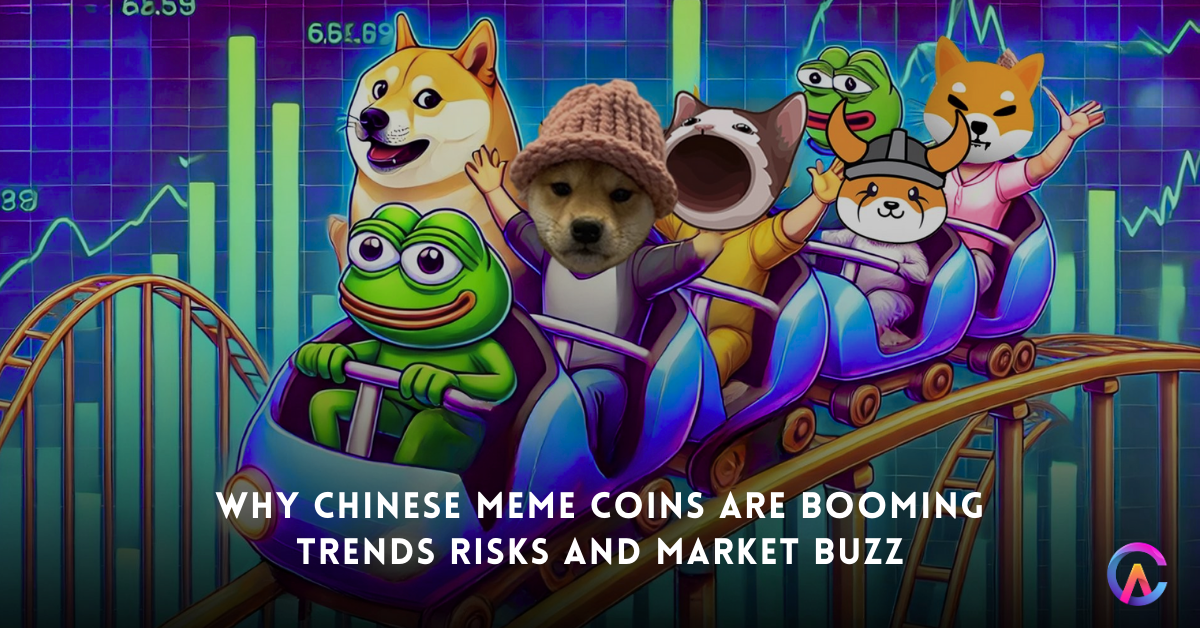
Chinese meme coins took off, raking in over $237 million in market cap, with quarterly surges of 35% fueled by cultural memes like panda variations, Pepe, and viral trends from WeChat, all while navigating the strict crypto bans in mainland China. Platforms such as Binance and Solana have become hotspots for these tokens, thriving thanks to offshore communities, whale activity, and cultural connections. Coins like Biaoqing, PeiPei and BinanceLife have seen daily gains of 137%, driven by Asia’s 560 million crypto users. This surge highlights the vibrant internet culture in China, where humor, nationalism, and speculative excitement blend to create high reward opportunities in regulatory gray areas.
Cultural roots powering Chinese meme coin mania
Chinese meme coins are deeply embedded in unique digital ecosystems, where platforms like Weibo, WeChat, and Douyin generate instant viral sensations, turning expressive panda memes and zodiac animals into billion dollar tokens. Biaoqing leads the pack with a $15 million cap, using panda expressions to foster community connections, while PeiPei gives the Pepe frog a Chinese twist, achieving top gainer status thanks to whale backing and low entry barriers. Unlike the global phenomenon of Dogecoin, these tokens incorporate themes from the Lunar New Year, like dragons and snakes, creating seasonal surges, just look at how FU Coin spikes during Chinese New Year, reflecting the excitement of retail investors.
Community dynamics play a crucial role in this growth, with Telegram and Weibo groups orchestrating airdrops, raids, and memes that can lead to daily volume spikes of 10%. Developers are opting for fair launches on BSC and Solana, steering clear of centralized ICOs that are banned in mainland China. The cultural specificity of these coins fosters loyalty, panda themed tokens resonate with national pride, while cat memes like MOA tap into feline superstitions, positioning these assets as social phenomena that go beyond mere speculation.
Technical trends behind the surge
Chinese meme coins are leaning towards Binance Smart Chain (BSC) and Solana, thanks to their low fees, high transaction speeds, and liquidity pools in Asia that support microtransactions and help prevent bot driven launches. We’re also seeing the rise of layer two scaling solutions, AI integration, and a mix of meme coins with real utility. These tokens are adding features like staking and governance, which help them stick around longer than just the typical hype cycles. In response to the rug pull scandals, smart contract audits are becoming the norm, with projects locking liquidity and implementing anti sniper measures to boost investor confidence, especially given the staggering seventy percent failure rate in this space.
Solana based projects are leading the charge, thanks to their speed and vibrant meme ecosystem. One notable example is Bonk, which has been dubbed a Chinese variant, even though it originated from WeChat integrations and prize pools. The cost of developing audited tokens has plummeted to under five thousand dollars, allowing creators to quickly iterate and test out viral ideas on a weekly basis.

Top performers
Market leaders showcase diverse strategies
- Biaoqing (BIAO) has a fifteen million cap and combines panda memes with DeFi integration, surging by one hundred thirty seven percent thanks to its viral presence on WeChat.
- PeiPei (PEIPEI) has a cap in the tens of millions and has achieved top gainer status through whale activity and community raids, riding the wave of the Chinese Pepe meme.
- BinanceLife, with a hefty three hundred fifty million cap, is leveraging its exchange name for hype, even though it has no official affiliation, and is dominating the CoinGecko Chinese category.
- Palu (PALU) is a hammer meme that symbolizes retail resistance, enjoying nine percent daily pumps and fostering active discussions in forums.
- PNUT, a Chinese firm, has seen one hundred thirty seven percent gains, riding the wave of institutional interest.
On average, these coins are delivering twenty percent monthly returns, outperforming global memes during the bullish cycles in Asia
Regulatory risks navigating China’s landscape
China has imposed strict bans on cryptocurrency trading, mining, and ICOs, with the central bank cracking down on stablecoins, money laundering, and cross border transactions. Meme coins often find themselves in murky legal waters, operating through offshore exchanges, VPNs, and Hong Kong hubs, where regulations similar to MiCA require KYC and AML transparency. While traders on the mainland face penalties, a staggering 560 million users still access these markets via OTC desks and foreign platforms, creating a shadow market.
Global regulators see meme coins as speculative assets that aren’t classified as securities, which means they lack the investor protections that come with that designation. This exposes holders to risks like rug pulls, pump and dump schemes, and intellectual property disputes. The SEC has clarified that most meme coins fall outside of securities laws, but fraudulent activities and market manipulation can still trigger enforcement actions. Meanwhile, the EU’s MiCA regulations require disclosures for promotional tokens, but rug pulls continue to be a significant issue, with developers often draining liquidity after the initial hype, leaving tokens worthless.
Investment risks beyond the hype
Volatility is a hallmark of Chinese meme coins, with around 70% failing within just a few months due to whale sell offs, fading narratives, and a lack of real utility. Low cap coins often find themselves in liquidity traps during market corrections, while security vulnerabilities can lead to exploits. Tax reporting can be a headache across different jurisdictions, as unreported gains may attract audits. Diversification is crucial, as even the top performers can see their values plummet by 80% during bear markets.

Market buzz and future outlook
The Chinese meme sector reached a remarkable $100 billion market cap contribution in Q2 2025, with Asia driving 35% of this growth thanks to cultural virality and low entry barriers. Binance integrations, prize pools, and airdrops are boosting adoption, while the zodiac themes promise to act as seasonal catalysts. As the market matures, we can expect a hybrid utility that reduces the risks associated with pure speculation, positioning the survivors for potential gains of ten to one hundred times their initial value.
How Codearies launches compliant Chinese meme projects
Codearies is all about launching meme coins that comply with China’s regulatory landscape. They focus on secure, audited launches on platforms like BSC and Solana. Their strategy revolves around creating viral narratives that resonate culturally, blending pure memes with DeFi elements to ensure sustainability. They deploy smart contracts with anti bot measures and liquidity locks, renouncing ownership to pass rigorous audits and prevent rug pulls.
To build community, they integrate tools like WeChat and Telegram for automating airdrops, raids, and KOL campaigns, while also ensuring liquidity through compliant offshore exchanges. After launching, they keep an eye on whale tracking, volume bots, and refreshing narratives to maximize gains and minimize losses. If you’re curious about token launch strategies, check out their guide on the Chinese meme market.
FAQs
Q1: Why do Chinese meme coins outperform global ones?
The unique cultural context, the virality of WeChat, and the liquidity in Asia lead to explosive price surges, with increases of around thirty five percent in Q2 compared to global averages.
Q2: What are the main risks of investing in Chinese memes?
Investors face risks like regulatory crackdowns, rug pulls, whale dumps, and a lack of utility, which contribute to a staggering seventy percent failure rate. This highlights the importance of doing your own research and diversifying your investments.
Q3: How does Codearies ensure the security of meme coins?
They use audited contracts, liquidity locks, ownership renouncement, and anti bot measures to safeguard against the common exploits that lead to failures in eighty percent of cases.
Q4: Can Codearies effectively target Chinese communities?
Absolutely, Their WeChat integrations, KOL partnerships, and culturally relevant narratives are designed to drive viral adoption while staying compliant with offshore regulations.
Q5: What is the timeline and cost for launching Chinese memes?
Launching a minimum viable product (MVP) typically costs between three to eight thousand dollars and can be deployed in about two weeks, with a full marketing ecosystem ready in one month.
For business inquiries or further information, please contact us at