
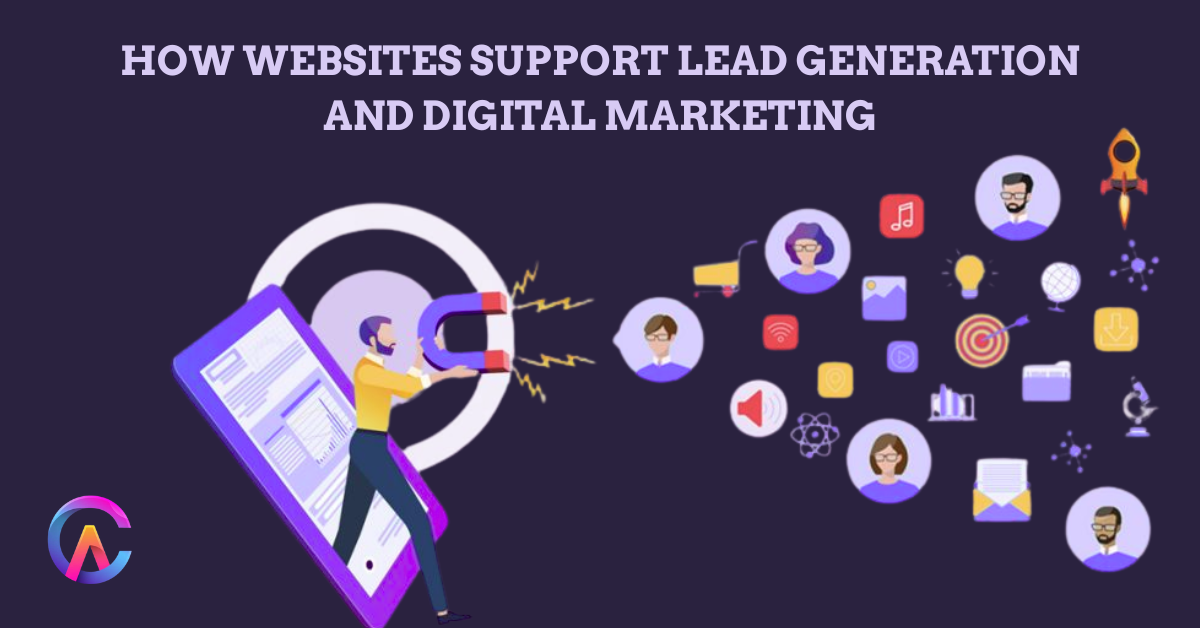
Websites have become the heartbeat of modern lead generation and digital marketing strategies, tirelessly capturing, converting, and nurturing high intent prospects around the clock. Unlike static brochures, optimized websites offer personalized experiences, thanks to AI driven automation and seamless integrations that can drive a fivefold return on investment compared to traditional channels. As we look ahead, the focus will be on conversion oriented architecture, where every interaction with a visitor feeds into intelligent marketing funnels.
Lead Capture Mechanisms That Convert
In 2026, native lead forms are set to take the lead. Frictionless popups, exit intent triggers, and chatbots will capture visitor data without the risk of page abandonment. Intent based targeting will activate forms after visitors check out pricing pages or download case studies, even if they return multiple times.
Dynamic CTAs will adjust their messaging based on referral sources and industry behavior. Platforms like Google, LinkedIn, and TikTok will allow native forms to feed directly into CRMs, skipping email verification and boosting completion rates by 300 percent. Interactive calculators and quizzes will not only generate qualified leads but also help segment audiences automatically.
Content Hubs Authority Building
Creating structured content clusters is key to establishing domain expertise. Pillar pages will target broad keywords while clustering content that answers decision stage queries, sending strong authority signals that Google’s AI search prioritizes. Gated ebooks, webinars, and downloadable templates placed behind optimized forms can generate ten times the leads compared to generic blog posts.
SEO optimized service pages will rank for transactional queries, converting 15 percent of organic traffic. Internal linking will guide readers along conversion paths, maintaining engagement signals that improve dwell time and rankings simultaneously.
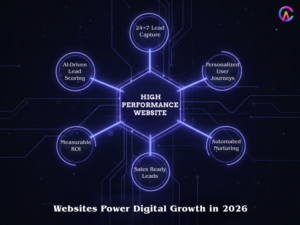
AI Personalization Conversion Optimization
Dynamic content will adjust in real time. AI will analyze visitor behavior and referral sources, displaying tailored headlines, offers, and testimonials. Returning visitors will see progress bars and personalized recommendations, instantly building familiarity and trust.
Personalized landing pages can boost conversions by 80 percent by matching messaging to paid social and organic search sources precisely. Video explainers embedded in service pages will address objections and enhance engagement threefold compared to static text.
Technical Foundations High Performance
Core Web Vitals are crucial for determining your rankings and conversions. Ideally, your pages should load in under 2 seconds, with the Largest Contentful Paint clocking in at around 1.5 seconds to help reduce bounce rates by 32%. Plus, incorporating Progressive Web App features allows for instant notifications and offline functionality, enhancing user engagement.
When it comes to structured data, schema markup is a game changer. It creates rich snippets and knowledge panels that can capture a 20% click share, landing you in that coveted position zero. And don’t forget about HTTPS and SSL certificates, they’re vital trust signals for e-commerce, especially for lead forms and B2B bookings.
Integration Ecosystem Automation
Syncing your CRM helps eliminate data silos, allowing leads to flow seamlessly between platforms like HubSpot, Salesforce, and Marketo. This triggers segmented nurture sequences and scoring workflows. Tools like Zapier and native APIs can connect chatbots to form analytics platforms, creating a closed loop attribution system.
Remarketing pixels are essential for tracking cross device journeys. With Google Tag Manager, you can easily deploy Facebook and LinkedIn pixels to retarget high intent abandoners and warm audiences, boosting your return on ad spend by 4x. Email capture pixels can also segment your lists based on page views, enabling you to run hyper relevant campaigns.
Analytics Optimization Continuous Improvement
Using heatmaps and session recordings can help you identify friction points in the user experience. Tools like Clarity and Hotjar can pinpoint form abandonment and scroll drops, allowing you to optimize UX iteratively. Conversion Rate Optimization (CRO) through A/B testing of headlines and CTAs can lift performance by 25% each quarter.
Predictive lead scoring is another powerful tool. Machine learning models can analyze behavior and demographics to predict conversion probabilities, helping you prioritize your sales outreach effectively.
Mobile First Irresistible Experiences
Responsive design and AMP stories are key to delivering engaging experiences that stop users in their tracks. With mobile checkouts, it’s alarming that 70% of users abandon their carts, but optimizing AMP pages can reduce that by 50%. Touch friendly forms and progressive disclosure techniques help maintain engagement on smaller screens.
Progressive disclosure builds trust gradually. By offering single field options that expand into multi step forms, you can create micro commitments that boost completion rates by 40%.
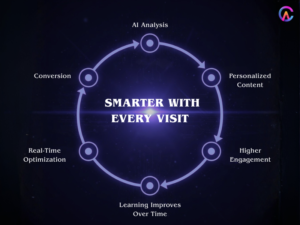
Social Proof Authority Signals
Testimonial case studies convert 3x cold traffic. Video testimonials industry logos certifications positioned above fold establish credibility instantly. Live chat widgets display response times agent photos humanizing digital interactions.
User generated content feeds amplify authenticity UGC videos reviews boost conversions 28 percent.
How CodeAries Builds High-Converting Lead Generation Websites
CodeAries specializes in creating websites that are optimized for conversions, driving enterprise level digital marketing lead generation on a large scale. We design AI driven landing pages with dynamic CTAs and intent based forms that can boost conversions to four times the industry average.
Our approach includes implementing a content hub architecture and a pillar cluster SEO strategy, along with structured data schema markup to help you dominate organic search rankings. We also build seamless lead capture systems using native forms, chatbots, and progressive disclosure, all integrated with CRM tools like HubSpot and Salesforce for smooth automation.
We prioritize technical excellence with features like Core Web Vitals, AMP, and PWA, ensuring a mobile first, responsive design that loads in under two seconds and maintains 99% uptime. Our advanced analytics, including CRO heatmaps, A/B testing, and predictive scoring, create a cycle of continuous optimization.
Our integration expertise connects Google Analytics, Facebook pixels, and Zapier APIs, enabling closed loop attribution and remarketing across devices. We also implement social proof systems, such as video testimonials, live chat widgets, and UGC feeds, to establish instant authority.
We can launch production ready websites in just six weeks, which includes content migration, SEO audits, performance optimization, and training. Our goal is to transform static sites into revenue generating lead machines that capture, nurture, and convert prospects around the clock. Reach out to CodeAries to elevate your digital marketing infrastructure and stand out in competitive landscapes.
Frequently Asked Questions
Q1: What website features generate the most leads in 2026?
Intent driven forms, AI personalization, native lead capture, and chatbots are the top converters. CodeAries has dynamic systems that can boost completion rates by an impressive 300 percent.
Q2: How do content hubs enhance lead generation?
Using a pillar cluster architecture helps rank transactional queries and funnels authority traffic into forms. CodeAries creates SEO optimized hubs with gated assets that can generate up to 10 times more leads.
Q3: Why is mobile optimization crucial for lead generation?
70 percent of users abandon mobile sites that aren’t optimized. Features like AMP and PWA can cut abandonment rates by 50 percent. CodeAries focuses on delivering engaging, mobile first experiences.
Q4: How can you integrate websites with CRM and marketing tools?
Using Zapier and APIs allows for real time syncing, triggering nurturing, and scoring workflows. CodeAries connects HubSpot and Salesforce to create a seamless closed loop attribution system.
Q5: What analytics can help optimize website conversions?
Heatmaps, CRO, A/B testing, and predictive scoring are key to identifying friction points and boosting performance by 25 percent. CodeAries utilizes Clarity and Hotjar for a comprehensive optimization strategy.
For business inquiries or further information, please contact us at