AI

AI-Driven_Climate_Change_Mitigation_Tools
AI

AI-Driven Climate Change Mitigation Tools

Read 7 MinIn a world confronting unprecedented environmental challenges, artificial intelligence (AI) offers a fresh perspective and revolutionary potential. While climate change has long been a critical issue, technology now provides us with tools to make real progress. AI-driven climate change mitigation tools have begun reshaping how we approach sustainability by enhancing data precision, optimizing renewable energy, and transforming climate models. By harnessing the power of AI, researchers, governments, and industries can predict changes, prevent damage, and build strategies for resilience. The potential for AI to address these global challenges opens an exciting chapter for a greener tomorrow. How AI is Revolutionizing Climate Science AI isn’t just another tool for climate science; it’s a game-changer. Traditional climate science relied on extensive data and human analysis, which, although effective, had limitations in scope and speed. Now, AI speeds up processes, analyzing vast datasets at a fraction of the time. Machine learning models uncover patterns and predict future trends with accuracy that was previously unachievable. By creating simulations based on past data, AI tools help scientists anticipate climate events more accurately, enabling rapid responses to environmental shifts. As a result, AI not only enhances our understanding but makes it possible to act before it’s too late.  The AI in Environmental Sustainability Market Size was valued at USD 14.6 Bn in 2023 and is predicted to reach USD 56.9 Bn by 2031 at a 19.1% CAGR during the forecast period for 2024-2031. Why AI is Ideal for Climate Mitigation AI’s strengths align perfectly with the needs of climate action. Climate change is complex, involving vast amounts of interlinked data from weather, oceans, atmospheric conditions, and human activities. AI tools thrive on such complexity, identifying patterns, spotting correlations, and enabling real-time responses. Furthermore, AI’s adaptability allows it to adjust as conditions change, making it a robust solution. This unique synergy means that AI can tackle climate issues on multiple fronts—locally, globally, and at all scales in between. By integrating AI, we can reduce emissions, enhance biodiversity, and make sustainable choices that fit our modern, data-driven world. Key AI-Driven Climate Change Mitigation Technologies With AI’s expansion, an array of advanced technologies has emerged to support climate action: Machine Learning (ML): Algorithms that learn from data to predict climate patterns. Neural Networks: Complex models that mimic the human brain, useful in creating detailed climate simulations. Natural Language Processing (NLP): Enables AI to sift through research papers and legislative texts for actionable insights. Computer Vision: Processes images from satellites and sensors, aiding in monitoring biodiversity and tracking deforestation. These technologies form the foundation for some of the most effective AI-driven climate change mitigation tools, creating a powerful suite of solutions capable of addressing diverse environmental challenges. AI in Climate Data Collection and Analysis The importance of reliable data cannot be overstated in climate science. With AI, data collection and analysis have become faster and more precise. AI algorithms process information from multiple sources—satellites, climate models, and ground sensors—providing insights that were once impossible to generate in real time. For instance, satellite imagery analyzed with computer vision can reveal patterns of deforestation or track changes in polar ice. Through automation, these processes allow for rapid, real-time updates on the state of our environment, empowering decision-makers to act swiftly on emerging climate threats. Machine Learning Models for Climate Forecasting AI’s strength in handling complex calculations has brought an edge to climate forecasting. Advanced machine learning models analyze atmospheric, oceanic, and terrestrial data to deliver more precise predictions about climate events. For example, neural networks—modeled after the human brain—analyze interconnected data points to forecast phenomena like storms, heatwaves, and droughts. This predictive power allows at-risk regions to prepare ahead of time, minimizing potential damage. By offering early warning systems, AI enables communities to manage and mitigate climate risks proactively, rather than reacting once the impact is felt. AI-Powered Carbon Footprint Calculators Carbon footprint calculators powered by AI are helping individuals and businesses take steps toward more sustainable lifestyles. These tools analyze data on activities like travel, energy use, and waste production to estimate one’s carbon footprint. By learning from data patterns, AI-driven calculators can suggest customized actions to reduce emissions. Whether it’s choosing public transport over driving or adjusting heating systems at home, these calculators empower users with real-time, data-informed decisions to help reduce their environmental impact. These small yet impactful changes add up, driving collective progress toward a sustainable planet. AI-Enhanced Renewable Energy Optimization AI optimizes renewable energy in ways that were previously out of reach. By predicting energy demand and adjusting production schedules, AI maximizes the efficiency of renewable resources like wind and solar. Machine learning algorithms study patterns in energy use, weather forecasts, and even sun and wind cycles, adjusting energy production accordingly. In doing so, AI reduces energy waste, ensuring that renewable sources operate at peak efficiency. This level of control and precision not only supports a shift from fossil fuels but makes renewable energy more reliable and attractive for widespread adoption. Smart Grids and AI for Energy Efficiency Smart grids, powered by AI, represent the next generation of energy management. By monitoring and distributing energy based on real-time demand, AI enhances efficiency across power networks. Smart grids incorporate data from homes, industries, and renewable energy sources to balance supply and demand, reducing energy waste. Moreover, AI allows for predictive maintenance on grid infrastructure, preventing outages and optimizing grid performance. As more renewable energy sources are integrated into our grids, AI will continue to play a pivotal role in making energy systems cleaner and more efficient. Carbon Capture and Storage (CCS) with AI AI advancements have strengthened Carbon Capture and Storage (CCS) technologies, essential for reducing industrial emissions. AI models analyze geological data to identify ideal storage locations and monitor for any potential leaks post-capture. With machine learning, CCS processes are becoming more efficient, capturing more carbon with less energy. This technology is invaluable for industries with high emissions, such as manufacturing, by offering a pathway to sustainability while maintaining operational productivity. AI-driven CCS allows these sectors to actively
AI-Powered_Retail_Inventory_Management_Systems
AI

AI-Powered Retail Inventory Management Systems

Read 6 MinAI-driven inventory management is transforming the retail landscape, moving beyond traditional methods to provide real-time insights, predictive demand forecasting, and automated replenishment. By integrating machine learning and IoT, retailers can optimize stock levels, reduce costs, and enhance customer satisfaction, ensuring they stay competitive in a dynamic market.

AI Driven_Fitness_Coaching_Apps_with_Real-Time_Feedback
AI

AI-Driven Fitness Coaching Apps with Real-Time Feedback

Read 7 MinAI-driven fitness apps are transforming the fitness experience by providing personalized coaching that adapts in real-time. From tracking form to offering motivational support, these apps blend cutting-edge technology with fitness to help users achieve their goals safely and effectively.

AI

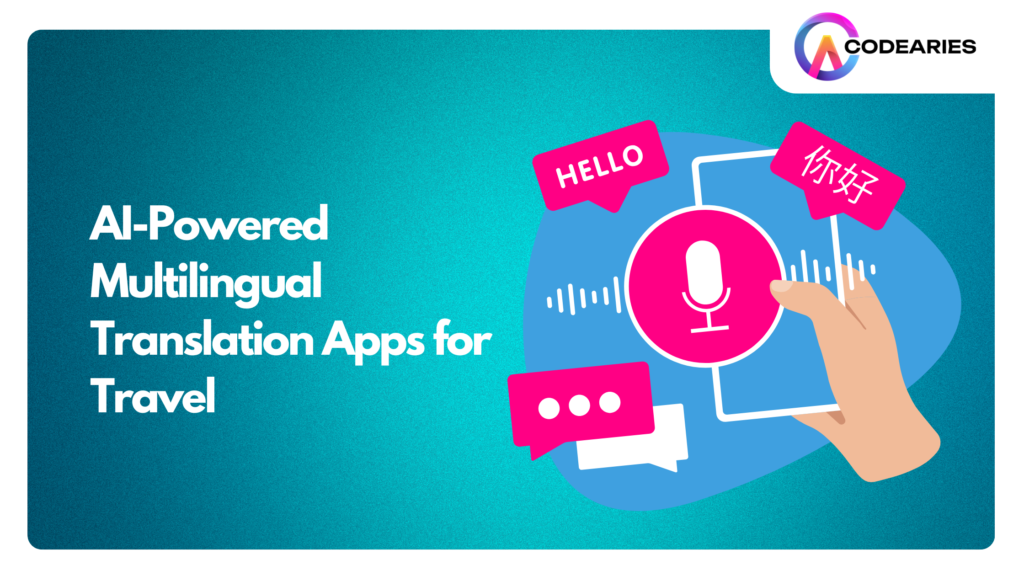
AI-Powered Multilingual Translation Apps for Travel

Read 7 MinIn an increasingly globalized world, AI-powered translation apps have become essential tools for travelers exploring foreign destinations. By breaking down language barriers, these applications are transforming how individuals communicate abroad, providing real-time, offline, and audio-to-text capabilities that significantly enhance travel experiences. This guide explores the features of these innovative tools, offers top recommendations, and provides tips on effectively using AI translation technology. Introduction to Multilingual Translation Apps Multilingual translation apps harness the power of artificial intelligence to facilitate communication between speakers of different languages. They allow users to engage in basic interactions, decode signs, menus, and emergency information, and navigate foreign environments with ease. Whether you’re ordering a meal in a local restaurant or asking for directions, these apps help bridge communication gaps across a wide range of tourist languages and regional dialects, making them indispensable for frequent travelers. Importance of Translation Apps for Modern Travelers As travel expands beyond popular tourist hotspots, AI translation apps significantly enhance the travel experience by enabling users to interact with locals, understand cultural nuances, and conduct daily tasks more effectively. These tools empower travelers to engage authentically and securely, regardless of their language proficiency. For instance, being able to communicate basic needs, express gratitude, or navigate local customs fosters a deeper connection with the destinations and the people within them. How AI is Revolutionizing Language Translation The advancements in AI have greatly impacted language translation through machine learning, natural language processing (NLP), and neural networks. These technologies work collaboratively to improve the accuracy and fluidity of translations. Unlike traditional translation methods, AI-powered apps learn and adapt over time, becoming more intuitive and capable of understanding context, regional dialects, and common phrases. This ability to grasp the nuances of language ensures that users receive translations that are not only accurate but also contextually appropriate. Source Key Features of AI Translation Apps for Travel Real-time Translation: This feature allows users to engage in conversations in real time, translating spoken words instantly between languages. Users can converse seamlessly, enhancing interaction with locals. Offline Mode: Many translation apps offer the ability to download language packs, ensuring that translations are accessible even without an internet connection—an invaluable asset in remote areas or during international travel. Camera-based Text Translation: Utilizing optical character recognition (OCR), these apps can translate text from images, such as street signs, menus, and advertisements, making it easier for travelers to navigate unfamiliar surroundings. Audio-to-Text and Text-to-Text Translation: This feature supports various languages and facilitates seamless communication by converting spoken language to text and vice versa, thus enhancing interaction between speakers of different languages. Customizable Vocabulary and Phrases: Many apps allow travelers to save commonly used phrases for quick translations, reducing the need for repetitive typing and enhancing conversational flow. Top AI-Powered Translation Apps for Travelers Google Translate: Renowned for its extensive language support and offline capabilities, Google Translate is versatile and reliable, making it a go-to app for many travelers. Microsoft Translator: Featuring a user-friendly interface and multiple functionalities like voice and camera translation, Microsoft Translator offers a sleek design and robust features. iTranslate: Supporting over 100 languages, iTranslate includes a Phrasebook feature and offline translation packs, catering well to common languages encountered by travelers. SayHi: Primarily a voice translation app, SayHi is ideal for casual interactions, supporting informal language and dialects. Papago: Specializing in Asian languages, Papago excels at translating Japanese, Korean, and Chinese, making it an excellent choice for travelers in East Asia. TripLingo: In addition to translation, TripLingo offers cultural insights and slang translations, providing a local feel that helps users communicate more naturally and effectively. Criteria for Choosing the Best Translation App When selecting the best translation app, several factors should be considered: Language Support and Regional Dialects: Check the number of languages supported and the availability of regional dialects, which can enhance translation accuracy. User-Friendly Interface: A simple, intuitive design enhances ease of use, ensuring travelers can quickly navigate the app during high-pressure situations. Privacy and Data Security: With increasing concerns over data privacy, it’s essential to choose apps with clear privacy policies and strong data protection measures. Offline Access: Prioritize apps that provide offline translation capabilities, particularly for travel in areas with limited connectivity. Cost and Subscription Plans: While some apps offer free versions, others may require subscriptions for premium features. Evaluate the cost against the app’s functionality and your travel needs. How to Use AI Translation Apps Effectively While Traveling Downloading Languages in Advance: Before embarking on your journey, download the necessary languages to ensure availability even without an internet connection. This is especially important for remote areas where Wi-Fi may not be accessible. Customizing Common Phrases: Save frequently used travel phrases to improve response time and translation accuracy. This proactive approach can streamline communication, especially in busy or stressful situations. Using Camera Translation for Menus and Signs: Employ the camera translation feature to decode written text on the go. This tool is particularly useful for understanding menus or street signs quickly. Switching to Offline Mode for Low Connectivity Areas: Make sure to enable offline mode when entering areas with poor connectivity. This can prevent disruptions in communication and allow you to navigate effectively. Leveraging Regional Language Options for Accuracy: Choose dialects that match the specific region you are visiting. For example, the Spanish spoken in Mexico may differ from that in Spain, and selecting the right variant can enhance communication. Benefits of AI Translation Apps for Travelers AI translation apps offer substantial benefits, including: Breaking Down Language Barriers in Real-Time: Immediate translation capabilities allow users to engage in everyday conversations, fostering connections with locals and enhancing the travel experience. Enhancing Cultural Interactions: Speaking the local language, even at a basic level, enriches interactions and fosters appreciation for different cultures. This engagement can lead to deeper relationships and memorable experiences. Simplifying Navigation and Emergency Communication: In unfamiliar environments, translation apps can help users navigate effectively and seek assistance in emergencies, ensuring their safety and security. Supporting Local Businesses and Personal Connections: Translating local languages can help travelers

AI-Based Dynamic Pricing Solutions for E-commerce
AI

AI-Based Dynamic Pricing Solutions for E-commerce

Read 7 MinThe competitive dynamics of e-commerce have dramatically evolved with the advent of artificial intelligence (AI). Among its numerous applications, AI-driven dynamic pricing solutions have significantly changed how online retailers establish, modify, and optimize their prices in real-time. The era of manual pricing adjustments has largely passed. Today, AI algorithms take into account factors such as customer demand, competitor pricing, market trends, and historical sales data to set prices that maximize profits while ensuring customer satisfaction. This article explores the intricate realm of AI-based dynamic pricing and its increasing significance in the e-commerce sector. Understanding AI-Based Dynamic Pricing AI-based dynamic pricing utilizes machine learning and data analytics to automatically modify product prices based on various real-time and historical factors. This approach replaces traditional static pricing models that many e-commerce businesses previously relied on. By continuously evaluating essential variables—such as customer behavior, market conditions, and competitor pricing—AI enables businesses to present the most competitive and profitable prices at any moment. According to ResearchAndMarkets.com, the dynamic pricing software market is projected to reach $7.3 billion by 2027, growing at over 13% annually. While dynamic pricing is not entirely new, AI enhances its intelligence, speed, and responsiveness. In the fast-paced e-commerce environment, where timing and customer experience are crucial, this technology allows businesses to remain agile and adjust prices as market conditions fluctuate. The Role of AI in E-Commerce Pricing In the rapidly evolving world of e-commerce, AI is a vital asset for managing pricing strategies. By harnessing AI, companies can adopt a data-driven approach to pricing. AI algorithms analyze a wide range of inputs, including historical sales data, competitor prices, and current demand trends, to automatically recommend and establish optimal pricing. Unlike traditional pricing models, which tend to be static or based on predefined rules, AI introduces dynamic flexibility. It continually learns from fresh data, fine-tuning its recommendations and adjusting prices in real-time. This results in a responsive pricing strategy that maximizes sales opportunities and profit margins. AI also seamlessly integrates with other tools within the e-commerce ecosystem, such as customer relationship management (CRM) systems, inventory management software, and marketing platforms, fostering a comprehensive approach to managing the entire sales cycle. Key Advantages of AI-Based Dynamic Pricing The benefits of AI-based dynamic pricing extend beyond mere profit optimization. Here are some of the most notable advantages: Enhanced Profitability: AI ensures continuous price optimization, adjusting prices based on demand fluctuations, competitor actions, and customer behavior, ultimately maximizing profit margins. Scalability: AI systems can manage pricing strategies for thousands of products without additional human intervention, making it scalable for businesses of all sizes. Real-Time Adjustments: Operating in real-time, AI-driven dynamic pricing can respond promptly to sudden demand shifts or competitor promotions, ensuring pricing strategies are always current. Improved Customer Satisfaction: By offering fair and competitive prices that respond to market conditions, AI dynamic pricing reduces the chances of customers feeling overcharged, which can enhance brand loyalty. Efficiency and Precision: Human error is virtually eliminated as decisions are based on comprehensive data analyses, which would be impractical for manual processing. Predicting Customer Demand with AI A critical feature of AI-based dynamic pricing is its capacity to accurately forecast customer demand. Machine learning algorithms scrutinize historical sales patterns, current purchasing behaviors, and external factors—such as holidays or seasonal trends—to predict fluctuations in product demand. For instance, an AI system may discern that a specific category of products sees higher sales during summer months. By identifying these patterns, AI helps e-commerce retailers proactively adjust their pricing strategy, ensuring they capitalize on peak demand periods without overpricing their stock. Mechanisms of Real-Time Price Adjustments AI-powered dynamic pricing functions by consistently analyzing market data in real-time, allowing for minute-by-minute price modifications based on changes in the market, such as competitor price adjustments, demand variations, or inventory levels. For example, if a competitor drops the price of a popular item, the AI system will identify this shift and suggest lowering the price to maintain competitiveness. Conversely, if demand for a specific product surges due to a special event, AI can recommend a price increase to capture higher profit margins without deterring potential buyers. This real-time adaptability offers businesses a significant advantage over those relying on static pricing models, enabling them to respond instantaneously to market changes. The Significance of Historical Data in Dynamic Pricing Historical sales data serves as a vital resource for AI-based dynamic pricing systems. By evaluating past product performance—considering seasonality, marketing campaigns, and consumer purchasing behavior—AI models can generate informed predictions for future pricing strategies. For example, if a retailer knows that a specific product consistently sells well during the holiday season, the AI system can proactively increase prices as the holiday approaches, ensuring maximized margins during peak demand periods while remaining competitive during slower seasons. Competitive Pricing Analysis via AI AI-based dynamic pricing excels in monitoring competitor prices and adjusting one’s own accordingly. AI systems can scan competitors’ websites, gather pricing data in real-time, and adjust prices to maintain competitiveness, particularly in fiercely competitive industries where price wars can quickly diminish profit margins. AI not only matches competitor prices but goes further by analyzing the broader market landscape to determine whether a price reduction is essential or if maintaining a higher price point could be more beneficial in the long term. This comprehensive strategy ensures that businesses consistently position themselves for maximum profitability while remaining competitive. Personalization in Dynamic Pricing AI-driven dynamic pricing can also customize prices based on individual customer behavior. By analyzing preferences, browsing history, and previous purchases, AI can deliver tailored pricing to various customer segments. For instance, loyal customers might receive discounts to encourage repeat purchases, while first-time visitors could be offered introductory pricing to facilitate conversion. This level of personalization enhances conversion rates and improves the overall customer experience, promoting greater loyalty and increased lifetime customer value. Seasonal Price Adjustments with AI Seasonality significantly influences e-commerce, and AI-based dynamic pricing adeptly handles these variations. Retailers often experience demand fluctuations throughout the year, and manually adjusting prices to reflect these changes can be

Blockchain

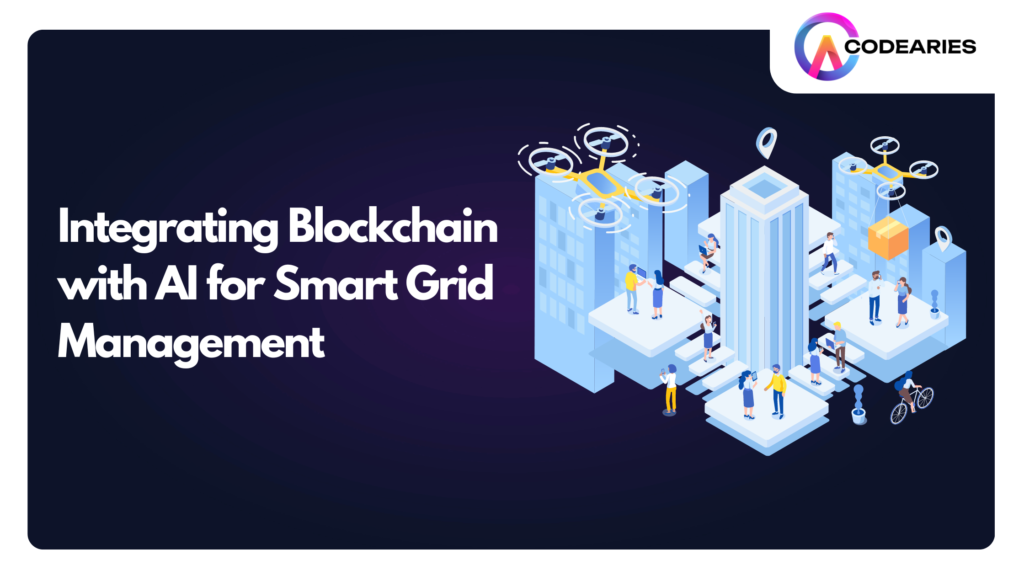
Integrating Blockchain with AI for Smart Grid Management

Read 7 MinIn today’s evolving world, energy efficiency, security, and sustainability demand is at an all-time high. Traditional energy management systems are proving insufficient due to rising energy demands, unpredictable renewable sources, and potential cybersecurity threats. This is where integrating Blockchain with AI for smart grid management comes into play. The convergence of these two groundbreaking technologies promises to revolutionise how we manage energy and ensure that our energy systems are more secure, transparent, and efficient than ever before. Through intelligent automation and decentralized operations, Blockchain and AI are set to pave the way for a new era of smart grid management. Blockchain and AI: A Game-Changer for Energy Management Blockchain and artificial intelligence (AI) convergence is reshaping the energy sector. These technologies offer transformative solutions to some of the industry’s most pressing challenges, driving efficiency, security, and sustainability. The Global AI in Energy Market size is expected to be worth around USD 51.4 Billion by 2033, from USD 3.7 Billion in 2023, growing at a CAGR of 30.1% during the forecast period from 2024 to 2033. Key Benefits of Blockchain and AI in Energy Management Boosting Energy Efficiency AI-Driven Optimization: AI analyzes vast energy consumption data to identify inefficiencies and optimize usage, minimizing waste. Blockchain-Powered Smart Grids: Blockchain enables decentralized grids integrating renewable energy sources, enhancing distribution efficiency and system reliability. Enhancing Grid Reliability Real-Time Tracking: Blockchain provides a secure, transparent ledger for real-time energy monitoring, reducing fraud and errors. Predictive Maintenance: AI predicts equipment failures, ensuring timely maintenance and minimizing downtime, strengthening grid reliability. Strengthening Energy Security Immutable Data: Blockchain’s tamper-proof records safeguard energy transactions from cyber threats and fraud. Decentralized Energy Markets: Blockchain facilitates peer-to-peer energy trading, reducing reliance on centralized grids and improving system resilience. Accelerating Renewable Energy Adoption Peer-to-Peer Trading: Blockchain enables consumers to directly buy and sell renewable energy, promoting decentralized energy markets. Transparent Energy Certificates: Blockchain ensures verifiable renewable energy generation, fostering trust and transparency. Transformative Use Cases Smart Grids: Combining AI and Blockchain can optimize energy flow and improve grid stability, reducing waste and enhancing efficiency. Decentralized Trading: Blockchain supports peer-to-peer energy markets, while AI forecasts demand and supply trends for seamless transactions. Energy Efficiency: AI optimizes energy use in homes and businesses, with Blockchain ensuring transparent and accountable management. Grid Modernization: Blockchain enables the integration of electric vehicles and battery storage, enhancing grid flexibility. AI in Smart Grid Management: Revolutionizing Energy Distribution AI transforms smart grid management, making energy systems more efficient, reliable, and sustainable. By leveraging AI, grids can optimize operations, reduce downtime, and better integrate renewable energy sources. Critical Applications of AI in Smart Grids Predictive Maintenance: AI monitors grid components in real-time, predicting failures and scheduling preventive maintenance to minimize downtime and repair costs.Demand Response Optimization forecasts electricity demand, adjusts energy use during peak periods, and encourages consumers to reduce load, ensuring grid stability.Renewable Energy Integration: It also manages the intermittent nature of renewable sources like solar and wind, balancing supply and demand for a stable grid.Energy Efficiency Optimization: AI analyzes smart meter data to identify energy-saving opportunities and recommends efficiency measures to consumers.Fraud Detection & Cybersecurity: AI detects anomalies in energy usage to prevent fraud and enhances grid security, protecting against cyberattacks. Decentralization: A Key Factor in Smart Grids Decentralization is vital to smart grids, offering enhanced reliability, security, efficiency, and flexibility. Decentralized systems reduce vulnerability to disruptions like natural disasters or cyberattacks by distributing power generation and control across multiple nodes. They enable localized power generation through distributed energy resources (DERs) such as solar and wind while improving grid efficiency by optimizing power flow based on local demand. Decentralization also empowers consumers to generate and trade energy, promoting a more sustainable and equitable system. Despite challenges like interoperability and grid stability, the benefits of decentralization make it a key foundation for a resilient, modern energy infrastructure. Energy Security: Tackling Cyber Threats with Blockchain One of the primary concerns in smart grid management is cybersecurity. As grids become more connected and reliant on real-time data, they become prime targets for hackers. Blockchain technology offers a robust solution to this challenge. Its decentralized structure ensures that no single entity controls the entire grid, making it significantly harder for cybercriminals to compromise the system. Specific Use Cases of Blockchain in Energy Security Grid Management ensures the secure, transparent tracking of energy generation, consumption, and distribution, improving grid integrity and efficiency.Renewable Energy Certificates: This department verifies the authenticity of Renewable Energy Certificates (RECs), ensuring they accurately represent renewable energy production.Cybersecurity Threat Detection: This system monitors energy consumption patterns, detecting anomalies that may indicate cybersecurity threats and enabling quicker responses.Energy Trading: It Facilitates secure, transparent energy trading, reducing the risk of fraud and market manipulation. Data Integrity: Why Blockchain matters in AI-driven grids Data integrity is crucial for accurate decision-making and optimized grid operations in AI-driven smart grids. Blockchain ensures the data fed into AI models is secure, tamper-proof, and verifiable. Its immutability prevents data alteration, while transparency allows stakeholders to trace and verify data origins. The decentralized structure enhances security, making it difficult to compromise the system. Blockchain’s suitability and trust-building features enable reliable tracking of grid operations, energy trading, and renewable energy certificates. These qualities ensure AI systems operate confidently, improving overall grid efficiency and resilience against cyber threats. Real-World Examples of AI-Blockchain Integration in Energy Grids AI and Blockchain are being used together to improve energy grid efficiency, security, and transparency: New York City DOT Predictive Maintenance: AI analyzes sensor data to predict equipment failures, enabling proactive maintenance. Peer-to-Peer Energy Trading: Blockchain allows consumers to trade energy directly. Energy Web Foundation (EWF) RECs Tracking: Blockchain verifies renewable energy certificates. Smart Grid Integration: Blockchain enables secure energy data exchange and new business models. LO3 Energy Local Energy Trading: Blockchain facilitates energy trading within communities. AI Optimization: AI enhances grid efficiency by optimizing energy management. Sunverge Energy DERs Management: Blockchain manages solar and battery resources. AI-Powered Optimization: AI improves resource efficiency and grid stability. Power Ledger Peer-to-Peer Trading: Blockchain enables direct energy trading among consumers. Smart Meter Integration: Accurate

AI

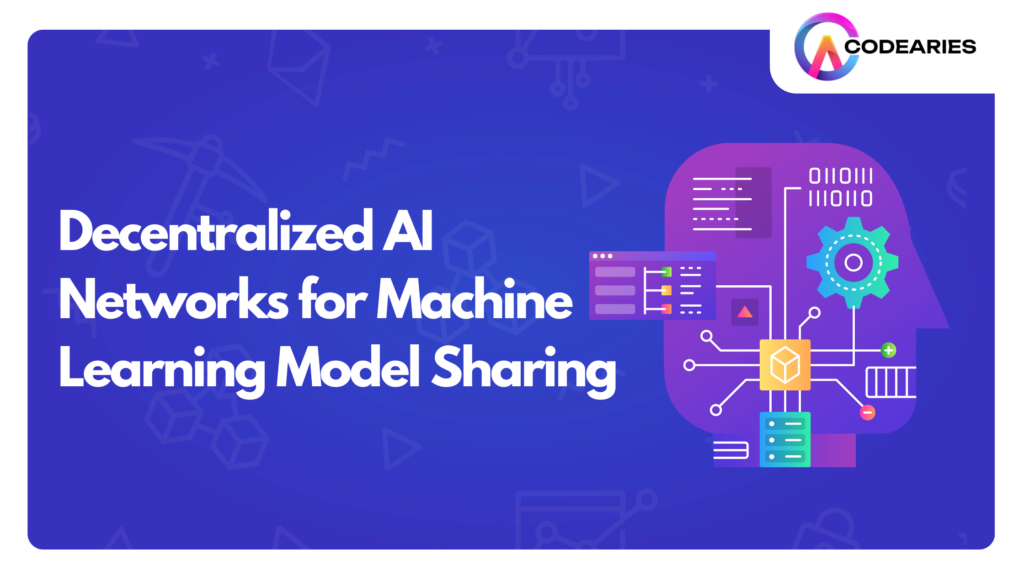
Decentralized AI Networks for Machine Learning Model Sharing

Read 6 MinAs machine learning (ML) increasingly transforms various industries, the need for collaborative and efficient sharing of models has never been more pressing. Traditional centralized approaches often hinder seamless collaboration due to bottlenecks, restricted access, and vulnerabilities to cyber threats. Enter decentralized AI networks—a groundbreaking framework to facilitate global machine learning model sharing. These networks dismantle traditional silos while enhancing security, transparency, and innovation. Understanding Decentralization in AI At its core, decentralized AI operates on a fundamental principle: distribute control and resources across numerous nodes rather than centralizing them within a single authority. This model, often supported by blockchain technology, challenges the conventional centralized paradigm by distributing AI resources—such as models and datasets—among many users instead of allowing a few dominant entities to monopolize them. The global blockchain AI market size was USD 184.6 million in 2019 and is projected to grow from USD 220.5 million in 2020 to USD 973.6 million in 2027, at a CAGR of 23.6%. North America dominated the global blockchain AI market share of 50.27% in 2019.In decentralized networks, every participant, or node, enjoys equal access to shared models and algorithms. Blockchain technology enables multiple parties to securely and verifiably exchange AI models without relying on a central governing body. Smart contracts—self-executing agreements embedded within the blockchain—regulate these models’ sharing, usage, and ownership. A Shift in Machine Learning Model Sharing Traditional model sharing needs to be more efficient. Centralized platforms often face bottlenecks, limited accessibility, and increased susceptibility to data breaches. In stark contrast, decentralized AI networks provide a peer-to-peer framework where models can be shared effortlessly across global teams.This paradigm shift allows developers and researchers to bypass closed systems and directly tap into a decentralized ecosystem. Here, models are readily accessible in real-time, fortified by the security features inherent in blockchain technology. This innovative approach encourages collaboration and accelerates innovation, broadening access and inclusivity within the AI community. Advantages of Model Sharing Accelerated Development: Pre-trained models allow developers to save time and resources, enabling them to focus on fine-tuning applications instead of starting from scratch. Knowledge Exchange: Model-sharing platforms create collaborative environments where researchers can share insights, drive advancements and refine models. Democratization of AI: Making pre-trained models widely available lowers barriers for individuals and organizations, empowering diverse users to leverage AI capabilities. Reproducibility: Publicly accessible models promote validation and replication, enhancing the integrity of AI research. Cost Efficiency: Sharing models reduces the high costs of training large-scale ML models, allowing for better resource allocation. Key Platforms Several platforms facilitate model sharing, including: TensorFlow Hub: A repository for diverse pre-trained TensorFlow models. Hugging Face Transformers: A library for state-of-the-art natural language processing models. Model Zoo: A collection of pre-trained deep learning models from various sources. In summary, model sharing is reshaping AI, providing significant advantages while requiring careful attention to ethical considerations to ensure responsible and equitable use. How Decentralized AI Networks Work At the heart of decentralized AI networks is distributed ledger technology (DLT). DLT enables the storage of data and transactions, including AI model sharing, across a network of nodes instead of in a centralized database, enhancing security, transparency, and immutability. In a decentralized AI network, participants upload machine learning models to the network for others to access. Each participant records interactions with the model—such as training, validation, or usage—on the blockchain, ensuring that all activities remain transparent and verifiable. Model Sharing and Updating Once a machine learning model is uploaded to a decentralized network, it can be shared with other users who can access, train, or use it for inference. In some cases, participants may contribute their data to improve the model’s accuracy. Updates to the model are distributed across the network, ensuring that all users have access to the latest version. Applications of Decentralized AI Networks The potential applications of decentralized AI networks are vast and varied. Some of the most promising use cases include: AI Model Marketplaces: Decentralized platforms can serve as marketplaces where developers can buy, sell, or share AI models. This fosters innovation by allowing access to cutting-edge models without expensive infrastructure. Federated Learning: This technique allows multiple organizations to train machine learning models collaboratively without sharing raw data. It’s beneficial in healthcare and finance, where data privacy is paramount. Advantages of Decentralized AI Networks Decentralized AI networks offer several compelling benefits that make them increasingly appealing to AI practitioners. Enhanced Collaboration: These networks facilitate participation from diverse locations and sectors, erasing geographical and institutional barriers and promoting a more inclusive AI development process. Improved Security: With data and models distributed across the network, the risk of cyberattacks is significantly reduced as there’s no single point of failure. This architecture minimizes vulnerabilities while enhancing data integrity. Transparency: Blockchain technology ensures that every transaction related to AI model sharing is recorded and auditable. This level of openness prevents unauthorized usage and tampering with shared models. Scalability: As the network expands, its capacity to share complex models and datasets grows without requiring additional infrastructure investments, making it ideal for resource-intensive machine learning applications. Comparing Decentralized and Centralized AI Decentralized AI contrasts with centralized systems, which rely on a singular authority to control data and resources. This dependency creates vulnerabilities; disruptions to the central authority can halt AI development and restrict access to valuable models, often at high costs.Conversely, decentralized AI empowers all participants within the network to contribute or access models, fostering democratization in AI development. This structure mitigates reliance on a single entity and enhances resilience against outages and cyber threats. Smart Contracts: Transforming AI Model Sharing Smart contracts—self-executing agreements with software-encoded terms—are set to reshape the AI model-sharing landscape. By utilizing blockchain technology, these contracts provide a secure, transparent, and efficient framework for exchanging and managing AI models. Potential Use Cases for Smart Contracts in AI Model Sharing Model Marketplaces: Decentralized platforms powered by smart contracts can facilitate the buying, selling, and renting of AI models, creating a transparent marketplace. Data Licensing: Smart contracts can govern data usage for training AI models, ensuring fair compensation for data

AI

AI-Powered Virtual Event Planning Apps

Read 6 MinArtificial Intelligence (AI) is no longer a buzzword confined to sci-fi movies. It’s a tangible, transformative technology reshaping industries, including event planning. AI-powered virtual event planning apps are revolutionizing how events are organized, delivered, and experienced. From simplifying the logistics of event management to creating personalized attendee experiences, these apps are emerging as indispensable tools for organizers worldwide. Let’s dive deep into how AI-powered apps are impacting virtual events, the key features to look for, and the future of this promising technology. How AI is Transforming Event Planning In today’s fast-paced environment, event planners must maximize efficiency while working with limited time and resources. Artificial intelligence (AI) is revolutionizing this process, especially for virtual events where complexities can increase. By integrating AI into event planning applications, organizers can automate repetitive tasks, analyze real-time data, and customize attendee experiences.AI empowers planners with tools for intelligent scheduling, automated communication, and predictive analytics that estimate attendee numbers and engagement. These innovations reduce human error and enhance efficiency, allowing organizations to save both time and money. Ultimately, AI is becoming an essential asset for navigating the challenges of modern event management. The Role of AI in Virtual Event Planning The Global AI in Event Management Market size is expected to be worth around USD 14.2 Billion By 2033, from USD 1.8 Billion in 2023, growing at a CAGR of 22.9% during the forecast period from 2024 to 2033. AI plays a crucial role in virtual event planning, significantly enhancing data management, audience engagement, and content delivery. With AI-powered tools, planners can analyze large volumes of data in real time, enabling them to make adjustments and optimize the event as it progresses. Predictive analytics further enhance this capability by estimating attendee numbers, identifying peak engagement periods, and determining the most effective ways to deliver content.Moreover, AI is essential for fostering audience interaction. By employing AI-driven chatbots and conducting real-time surveys, event organizers can connect with attendees on a personal level. These tools allow for immediate responses to questions, the collection of valuable feedback, and the flexibility to make necessary changes during the event. This integration of AI not only streamlines the planning process but also enriches the overall attendee experience. Why Businesses Prefer AI-Powered Event Planning Tools Many businesses are turning to AI-powered event planning tools because of the undeniable benefits they offer: Efficiency and Automation Time Savings: AI automates repetitive tasks like sending invitations and managing registrations, allowing planners to focus on strategic work. Error Reduction: By minimizing human errors in data entry and scheduling, AI ensures greater accuracy. Data-Driven Insights Audience Analysis: AI analyzes attendee data to reveal trends and preferences, enabling tailored events. Predictive Analytics: AI forecasts attendance and ticket sales, helping businesses optimize their strategies. Personalized Experiences Custom Recommendations: AI suggests personalized itineraries based on attendee interests. Targeted Communication: AI delivers tailored messages, enhancing engagement and satisfaction. Cost-Effectiveness Resource Optimization: AI helps allocate resources efficiently, reducing costs and maximizing ROI. Scalability: AI tools can manage events of any size without significant additional costs. Improved Decision-Making Insightful Analytics: AI provides actionable data to inform better decision-making. Risk Mitigation: AI identifies potential risks, allowing proactive measures. In essence, AI-driven event planning tools boost efficiency, offer valuable insights, enhance personalization, cut costs, and improve decision-making, making them invaluable in the evolving landscape of event management. The Integration of AI and VR in Event Planning Virtual Reality (VR) is another technology that is making waves in the event industry, especially when combined with AI. Together, they create immersive, interactive experiences that transcend traditional event formats. VR can replicate the experience of physical attendance, while AI fine-tunes the attendee experience by providing personalized recommendations and insights. Examples of AI and VR in Event Planning: Virtual Conferences: Entire conferences can be held in VR, with attendees attending sessions, networking, and exploring virtual exhibits. Product Launches: VR can be used to create immersive product launch experiences, allowing attendees to interact with products in a virtual environment. Training and Development: VR can be used for training and development events, providing hands-on simulations and interactive learning experiences. Transforming Virtual Event Marketing with AI Artificial Intelligence (AI) is revolutionizing virtual event marketing by enhancing engagement, streamlining processes, and optimizing outcomes. By leveraging AI technology, event organizers can create impactful and memorable experiences for attendees. Key Applications of AI in Virtual Event Marketing Personalized Marketing: Smart Segmentation: AI analyzes attendee data for targeted email campaigns that resonate. Dynamic Content: AI platforms generate adaptive content based on user interactions. Chatbot Engagement: 24/7 Support: AI chatbots provide instant assistance, ensuring a smooth experience. Tailored Recommendations: Chatbots suggest relevant content and networking opportunities. Intelligent Networking: Smart Matchmaking: AI connects attendees with similar interests for meaningful interactions. Engagement Metrics: AI tracks attendee engagement to inform future event planning. Accessibility Features: Real-Time Translation: AI tools offer translation services, making events accessible to a global audience. Inclusive Options: AI enhances accessibility with closed captioning and screen reader compatibility. Notable AI-Powered Tools Eventbrite: Enhances attendee experiences through personalization and optimization. Hubilo: Offers features like attendee matchmaking and engagement analytics. Zoom Events: Provides AI functionalities like automated transcriptions and personalized recommendations. By adopting AI in virtual event marketing, organizers can foster immersive, personalized experiences that engage attendees and drive success. How Machine Learning Optimizes Event Management Machine Learning (ML) is revolutionizing event management by enabling data-driven insights and predictive analytics that enhance planning, execution, and analysis. It predicts attendance and optimizes capacity by analyzing historical data, allowing organizers to select the right venues and allocate resources effectively. ML personalizes attendee experiences through tailored recommendations and dynamic content adjustments. By conducting real-time sentiment analysis on feedback, ML helps organizers make immediate improvements to enhance satisfaction. Additionally, it aids in risk management by identifying potential challenges and simulating various scenarios for informed decision-making. After events, ML continues to deliver value by analyzing data to measure performance, ROI, and areas for continuous improvement. How AI Enhances Collaboration for Event Planners  AI enhances collaboration for event planners by providing tools that streamline communication, improve decision-making, and foster teamwork. AI-powered platforms

AI

AI in Blockchain Applications for Microfinance and Credit Scoring

Read 6 MinMicrofinance plays a crucial role in providing financial services individuals and small businesses in underserved regions, especially in emerging economies. However, credit scoring—the system by which lenders evaluate a borrower’s creditworthiness—has traditionally been biased, inaccessible, and reliant on limited data. Financial inclusion is vital for economic growth, and the latest advancements in artificial intelligence (AI) and blockchain are reshaping the landscape of microfinance and credit scoring. By combining AI with blockchain technology, organizations are developing platforms that provide secure, transparent, and efficient financial services, making it easier for underserved communities to access capital. As these technologies merge, their ability to transform financial systems, especially in the realms of microfinance and credit evaluation, becomes increasingly evident. This convergence promises to unlock new opportunities and drive inclusive economic development. The Importance of Microfinance in Emerging Economies Microfinance is a game-changer in emerging economies, offering small loans and financial services to those often overlooked by traditional banks. Here’s why it’s vital: Financial Inclusion: Microfinance empowers the unbanked by providing access to credit, enabling marginalized communities to engage in economic activities. Economic Growth: By fueling small businesses and creating jobs, microfinance drives local economies and helps reduce poverty. Entrepreneurship: It fosters innovation by supporting startups and encouraging entrepreneurial spirit. Financial Literacy: Many MFIs provide training, helping borrowers make informed financial decisions and build resilience. Social Impact: Microfinance especially benefits women, enhancing their economic opportunities and supporting community development. Risk Management: Community-based lending approaches and diversified portfolios help manage risks and ensure sustainability. In essence, microfinance is crucial for empowering individuals, driving growth, and promoting a more equitable society. The Role of AI in Credit Scoring for Microfinance Artificial Intelligence (AI) is transforming credit scoring in microfinance, addressing the limitations of traditional methods that often overlook key aspects of borrowers’ financial situations. The global AI in credit scoring market is expected to exhibit a CAGR of 26.5% from 2024 to 2029. Here’s how AI is making a significant difference: Predictive Analytics for Credit Risk Assessment AI algorithms can sift through vast amounts of borrower data—financial histories, demographic details, and behavioral patterns—to discern trends and predict creditworthiness with enhanced precision. This allows microfinance institutions (MFIs) to make more informed lending decisions and minimize loan default risks. Machine Learning for Enhanced Credit Scoring By employing machine learning, MFIs can create advanced credit scoring models that incorporate alternative data sources, such as mobile usage and social media activity. This innovation helps improve credit scores for individuals with limited or no credit history, broadening their access to microfinance loans. Customer Profiling and Behavior Insights AI can generate comprehensive customer profiles by analyzing various data points—demographics, financial behaviors, and social interactions. This information enables MFIs to customize products and services to meet borrowers’ specific needs, enhancing customer satisfaction and fostering loyalty. Reducing Bias in Credit Assessments Traditional credit scoring methods can inadvertently discriminate against certain groups, such as women and rural borrowers. AI addresses this challenge by developing inclusive scoring models that account for a broader range of factors, promoting fairness in credit assessments. Blockchain’s Impact on Microfinance Systems Blockchain technology is set to revolutionize microfinance, tackling key challenges and enhancing the efficiency and accessibility of financial services. Here’s how it’s making a difference: Decentralized Lending Platforms Blockchain enables the creation of decentralized lending platforms that cut out intermediaries, lowering transaction costs and expanding access for underserved communities. These platforms facilitate peer-to-peer lending, driving financial inclusion. Transparent Credit Scoring With blockchain, borrowers’ financial histories can be recorded transparently and immutably, leading to more accurate and unbiased credit scoring. This eliminates intermediary risks and protects the integrity of credit information. Enhanced Trust and Fraud Reduction The inherent transparency and immutability of blockchain help reduce fraud and bolster trust in financial services. By providing verifiable transaction records, it deters fraudulent activity and increases user confidence. Tamper-Proof Financial Records Blockchain creates permanent, tamper-proof records of financial transactions, ensuring data accuracy and reliability—especially beneficial for microfinance borrowers with limited documentation or credit history. The Use of Smart Contracts in Microfinance Smart contracts—self-executing agreements with coded terms—can significantly enhance microfinance systems. Here’s how: Automated Loan Disbursements: Smart contracts release funds automatically when specific conditions are met, ensuring prompt transactions. Efficient Repayment Processes: They automate repayment schedules, reducing administrative burdens and lowering default risks. Cost Reduction: Automation cuts operational costs for microfinance institutions (MFIs), allowing better resource allocation. Increased Transparency and Trust: Smart contracts provide an auditable record of transactions, fostering trust and minimizing fraud. Conditional Lending Models: They enable loans to be granted based on achieving specific milestones, promoting socially responsible lending. Peer-to-Peer Lending: Smart contracts facilitate direct connections between borrowers and lenders, broadening access to financial services and reducing costs. In essence, smart contracts improve the efficiency and inclusivity of microfinance, making financial services more accessible and beneficial for borrowers. Impact on Borrowers: Empowering Low Income Individuals AI and blockchain technology are transforming microfinance by empowering low-income borrowers and enhancing their financial well-being. With AI-driven credit scoring models, even individuals with little or no credit history can gain access to loans, opening doors for those traditionally excluded from the financial system. Imagine needing urgent funds and having a streamlined process that allows for quick approvals and disbursements—this is now a reality thanks to the automation of loan applications. Moreover, the transparency of blockchain creates a trustworthy environment where borrowers feel secure in their transactions with lenders. Coupled with AI tools that offer financial literacy training, borrowers are equipped to make informed decisions and manage their finances effectively. Together, these innovations are not just providing financial resources; they are fostering a sense of empowerment and stability for low-income individuals, paving the way for a brighter financial future. Case Studies: AI and Blockchain in Microfinance Successful Blockchain-Based Microfinance Platforms Celsius Network: This innovative platform harnesses blockchain to offer decentralized lending and borrowing services. Users can earn interest on their cryptocurrency assets while accessing credit, making it a valuable resource for individuals and businesses seeking loans. Aave: A decentralized finance (DeFi) protocol that enables users to lend,

AI

AI in Blockchain-Based Predictive Healthcare Solutions

Read 6 MinThe healthcare landscape is transforming rapidly, fueled by advancements in artificial intelligence (AI) and blockchain technology. These groundbreaking innovations are paving the way for predictive healthcare solutions, where personalized and proactive medical interventions are becoming standard practice. AI empowers healthcare professionals to sift through massive datasets and forecast potential health outcomes, while blockchain guarantees secure, tamper-resistant data storage.  Together, these technologies are reshaping healthcare systems, enhancing patient outcomes, ensuring data security, and fostering cost-effective care models. Defining Predictive Healthcare Predictive healthcare utilizes advanced technologies to anticipate potential medical conditions before they manifest. By harnessing extensive datasets, predictive analytics can discern patterns indicating the likelihood of future health events, including the onset of diseases or the worsening of chronic conditions. The synergy of AI, blockchain, and big data analytics is crucial in this realm, facilitating early detection, efficient treatment planning, and improved patient care. Transformative Role of AI in Healthcare AI is revolutionizing healthcare through various avenues. The global Artificial Intelligence (AI) in healthcare market size was valued at USD 19.54 billion in 2023 and is projected to grow from USD 27.69 billion in 2024 to USD 490.96 billion by 2032, exhibiting a CAGR of 43.2% during the forecast period.Diagnostic tools powered by AI are capable of analyzing medical imagery, such as X-rays and MRIs, with exceptional precision, often identifying anomalies that evade human detection. Moreover, machine learning-driven predictive analytics can evaluate patient histories, genetic predispositions, and lifestyle habits to anticipate potential health complications. AI is increasingly integral in drug discovery, treatment strategizing, and personalized medicine, making these processes more sophisticated through the application of AI algorithms. The Promise of Blockchain in Healthcare Blockchain technology is recognized for its security and transparency, making it ideal for healthcare data management. Within the healthcare ecosystem, blockchain can protect patient records, ensuring they remain secure, immutable, and accessible solely to authorized personnel. By storing health data on blockchain networks, patient privacy is maintained, safeguarding against cyber threats while enhancing data sharing among providers and patients. The decentralized nature of blockchain empowers individuals to control their medical information. The Fusion of AI and Blockchain in Predictive Healthcare The integration of artificial intelligence (AI) and blockchain technology is set to transform the healthcare landscape, especially in predictive healthcare. This combination presents a powerful solution to the challenges faced by healthcare providers in today’s complex environment. How AI and Blockchain Work Together Data Security and Privacy: Blockchain: Offers a secure, decentralized ledger that protects the integrity of patient information, making it tamper-proof and transparent. AI: Requires access to reliable data for pattern recognition and predictive analytics, which blockchain can securely provide. Interoperability: Blockchain: Promotes efficient data sharing across different healthcare platforms, enhancing collaboration and communication. AI: Utilizes diverse datasets to refine predictive models and improve healthcare outcomes. Transparency and Trust: Blockchain: Ensures a clear and verifiable trail of data transactions, increasing stakeholder trust. AI: Boosts confidence in healthcare predictions through high accuracy and reliability, derived from comprehensive data analysis. Personalized Medicine: AI: Tailors treatment plans by analyzing specific patient data, leading to individualized healthcare solutions. Blockchain: Safeguards patient information, enabling secure access for analysis and research. Practical Applications in Predictive Healthcare Predictive Diagnostics: AI technologies can assess patient information to forecast disease risks before clinical symptoms manifest. Blockchain secures the data, ensuring the predictions are based on accurate and reliable information. Drug Discovery and Development: AI accelerates the identification of drug candidates by analyzing biological data and optimizing potential targets. Blockchain protects intellectual property rights and fosters collaboration among researchers and institutions. Supply Chain Management: AI enhances logistics by predicting the demand for medical supplies and monitoring their distribution. Blockchain verifies the authenticity of medical products, ensuring their safety and efficacy. Clinical Trials: AI analyzes data from clinical trials to highlight effective treatments and predict outcomes. Blockchain simplifies patient recruitment while maintaining data confidentiality and integrity. The Role of AI Algorithms in Predictive Healthcare AI algorithms, especially those based on machine learning, are vital in predictive healthcare. These algorithms examine both historical and real-time health data to identify trends that forecast future health outcomes. For instance, machine learning models can predict the likelihood of cardiovascular diseases by analyzing factors such as age, family history, and lifestyle choices. Predictive algorithms can also customize treatment plans based on genetic profiles, resulting in highly personalized care. Utilizing Predictive Analytics in Healthcare Predictive analytics involves the application of data, statistical algorithms, and machine learning techniques to forecast outcomes based on historical information. The applications of predictive analytics in healthcare are varied, from early disease identification to predicting post-surgery patient outcomes. By employing predictive analytics, healthcare providers can foresee chronic conditions like diabetes or hypertension, enabling timely interventions and improved health management. Ensuring Health Data Integrity with Blockchain Maintaining the integrity of health data is crucial, and blockchain technology plays a key role in this. Unlike traditional healthcare systems, where data can be manipulated or lost, blockchain ensures that health records remain unalterable. Each transaction is timestamped and replicated across multiple nodes, making unauthorized data alterations virtually impossible to execute undetected. This reliability is essential for effective treatment, as accurate patient data is fundamental. Additionally, blockchain can diminish fraud in healthcare by offering verifiable information, particularly concerning insurance claims and billing. Personalized Medicine Powered by AI and Blockchain Personalized medicine tailors healthcare to individual patients based on genetic information, lifestyle, and environmental influences. AI can analyze these elements to propose customized treatment strategies, while blockchain ensures the secure management of sensitive data involved. AI-driven predictive models can anticipate patient responses to specific therapies, with blockchain facilitating secure information sharing among healthcare professionals without compromising patient privacy. Improving Patient Outcomes with AI and Blockchain By integrating AI and blockchain, healthcare providers can significantly boost patient outcomes. AI tools enhance diagnostic accuracy and foster personalized treatment plans, while blockchain guarantees secure data sharing, promoting collaboration among healthcare providers. Predictive healthcare solutions can uncover health risks early, allowing for preventive measures that lead to better long-term health results. AI models can also monitor patient

Scroll to Top
Popuo Image