Subscription based app models have completely transformed the way we access software, streaming services, and various tools. Just think about it, everything from Netflix to productivity platforms like Notion relies on this recurring revenue model, which has become a massive trillion dollar industry. However, as we look ahead to 2026, we’re seeing signs of user fatigue and a surge in AI driven personalization, suggesting that this model might need to adapt. So, what does the future have in store for subscription apps? Will they continue to flourish, or will they need to change course? Let’s dive into the trends, challenges, innovations, and predictions that lie ahead.
The Rise and Dominance of Subscriptions Today
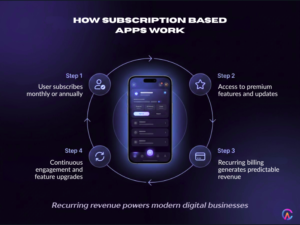
Since 2010, subscriptions have taken off, largely thanks to SaaS (Software as a Service). Users are now paying monthly or annually for unlimited access, which creates a steady stream of revenue for creators. According to Statista, the global subscription economy reached a whopping $1.5 trillion in 2025, with popular apps like Spotify and Adobe Creative Cloud leading the charge.
So, what’s driving this trend? For businesses, the average churn rate is around 5-7% monthly, which is much better than the one time sales model. For users, there are no hefty upfront costs, plus they get constant updates. Mobile apps are at the forefront of this movement, 90% of the top grossing iOS apps utilize subscriptions.
But there are some warning signs. “Subscription fatigue” is impacting 40% of users, many of whom are juggling over ten different services. With economic pressures ramping up in 2026, we can expect to see more cancellations.
Key Trends Shaping Subscription App Futures
Innovation keeps subscriptions relevant. Here’s what’s trending.
AI Driven Personalization and Usage-Based Pricing
The future of subscriptions is likely to move beyond just flat fees. With AI analyzing user behavior, we could see tiered pricing models, think Spotify’s DJ mode or fitness apps that charge based on the number of workouts. Usage based pricing (pay per use) is merging with subscriptions, helping to cut down on waste.
By 2026, we might see predictive billing powered by machine learning that anticipates user needs and automatically adjusts plans. This could help combat subscription fatigue by ensuring users always feel they’re getting their money’s worth.
Bundling and Super Apps
Standalone apps are losing their shine, bundles are taking the lead. Just look at Apple One or Amazon Prime, which bring together video, music, and cloud storage all in one package. Super apps like WeChat are stepping it up by merging payments, social interactions, and various services under a single subscription.
The trend? Ecosystem bundles. Gaming platforms are now bundling titles with cloud saves, while productivity suites are incorporating AI assistants to enhance user experience.
Web3 and Blockchain Subscriptions
We’re seeing the rise of crypto native subscriptions. NFTs are offering lifetime access, and tokens are being used to reward loyalty. Platforms like Friend tech are leveraging social tokens to provide exclusive content to their users.
Decentralized subscriptions are also making waves, utilizing smart contracts for auto renewals while giving users control over their data, perfect for those who prioritize privacy.
Freemium Evolutions and Micro Subscriptions
The freemium model (offering a free core with paid upgrades) is still around, but it’s evolving. Now, AI is dynamically gating premium features. Micro subscriptions are popping up, charging just a few cents daily for niche perks, like access to daily meditation sessions.
Challenges Threatening Subscription Sustainability
No model is bulletproof. Subscriptions face headwinds.
Churn and Customer Acquisition Costs
High churn rates, sometimes hitting 15% in competitive markets can really eat into your profits. Plus, acquisition costs can skyrocket, often exceeding $100 per user through ads. To keep customers around, it’s all about creating delight, not just offering features.
During economic downturns, users are more likely to hit the pause button, they want the option to pause their subscriptions without facing penalties.
Regulatory Scrutiny and Privacy Laws
The EU’s Digital Markets Act and various US privacy bills are cracking down on “dark patterns,” like subscriptions that are tough to cancel. Apps will need to make it easier for users to opt out and be transparent about how their data is used.
With cookie deprecation, businesses are shifting towards first party data strategies.
Competition from Free Alternatives
Open source AI tools and ad supported apps are chipping away at paid subscriptions. After all, why pay for ChatGPT when there are free LLMs that do the job?
Innovations and Strategies for the Future
Winners adapt. Strategies define subscription app success.
Lifetime Value Optimization
It’s crucial to focus on Lifetime Value (LTV) rather than just chasing quick wins. Gamification can really enhance engagement, think streaks, badges, and community perks. Personalized onboarding can reduce early churn by as much as 30%.
Hybrid Monetization Models
Consider blending subscriptions with one time purchases or ads. SuperFollows on X combine subscriptions with tips, while tiered plans (basic, pro, enterprise) cater to all user segments.
Global Expansion Tactics
Localizing pricing can make a big difference, offering lower prices in emerging markets is key. Accepting crypto payments can help avoid foreign exchange fees, especially for Web3 users.
For example, Duolingo’s pivot to AI tutors and family bundles in 2026 led to a 25% increase in subscriptions. Calm’s integration of wearables for sleep tracking also boosted retention.
Predictions for Subscription Apps by 2030
Expect transformation:
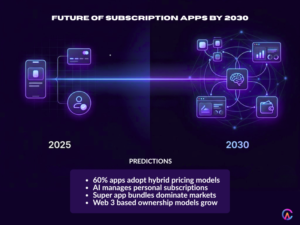
- According to Gartner, around 60% of apps will be hybrid, combining subscriptions with usage based models.
- Imagine AI agents taking charge of your subscriptions, negotiating the best deals across various services for you.
- We’ll see metaverse integrations, where virtual real estate becomes part of subscription offerings.
- There’s a growing emphasis on sustainability, with carbon neutral apps appealing to eco conscious users.
The subscription model isn’t going anywhere, instead, it will evolve into smarter, more user friendly systems. The key to success will be focusing on transparency, delivering real value, and embracing innovation.
How CodeAries Helps Customers Achieve Subscription Success
CodeAries is all about crafting innovative app solutions designed to drive recurring revenue growth. Here’s how we can elevate your subscription models:
- We create AI driven personalization engines that adapt pricing and features in real time based on user behavior.
- We develop bundling platforms that seamlessly integrate multiple services into a super app experience.
- We design Web3 subscription systems utilizing blockchain technology for secure, token based loyalty and access control.
- We optimize freemium funnels and retention strategies, like gamification, to enhance lifetime value.
- We ensure our apps are compliance ready, featuring easy cancellation options and privacy safeguards for global markets.
Frequently Asked Questions
Q1 What’s behind subscription fatigue in apps?
People are getting overwhelmed by too many services that offer similar features, which leads to cancellations, especially as prices keep climbing.
Q2 How can AI enhance subscription models?
AI can tailor subscription tiers and anticipate user needs, making sure that people only pay for what they actually use and find valuable.
Q3 Are Web3 subscriptions the next big trend?
Absolutely, They provide users with ownership of their data and offer crypto rewards, which could completely change the loyalty game in apps.
Q4 What hybrid models are most effective for apps?
A mix of flat rate subscriptions and usage based fees can attract a wider audience while also boosting revenue.
Q5 How can you minimize churn in subscription apps?
The key is to keep users engaged through gamification, bundle offers, and flexible pause options to ensure they stay interested.
For business inquiries or further information, please contact us at