Tokenization

How Enterprises Are Using Blockchain Beyond Cryptocurrencies
Blockchain

How Enterprises Are Using Blockchain Beyond Cryptocurrencies

Read 5 MinBlockchain has moved beyond the limitations of cryptocurrency, becoming a vital part of enterprise infrastructure that drives trillion dollar coordination across various industries. Fortune 500 companies are now using permissioned networks to eliminate issues like reconciliation fraud and operational silos, resulting in billions of dollars in measurable ROI each year. By 2026, mainstream adoption will enable seamless handling of supply chain traceability, digital identity, tokenization, and compliance workflows, all without the need for token speculation. Supply Chain Traceability Complete Transformation With immutable ledgers, we can track everything from raw materials extraction to manufacturing, shipping, and delivery. This not only prevents counterfeiting but also speeds up recalls and builds consumer confidence in an instant. IoT sensors monitor temperature, humidity, and location during handling, while blockchain ensures tamper proof audit trails that are accessible to manufacturers, distributors, retailers, and regulators, all at the same time, completely eliminating the need for endless phone calls and email chains. Smart contracts automate payments, delivery confirmations, and quality verifications, with insurance claims processed in real time. ESG compliance becomes a breeze, as verifiable carbon footprints and provenance are tracked effortlessly for regulatory reporting. Counterfeit drugs and luxury goods are a thing of the past, with product authenticity guaranteed and mathematically proven across the enterprise in real time. Digital Identity Frictionless Enterprise Access Gone are the weeks spent on manual KYC verification, now, it takes just minutes to obtain instant blockchain attested credentials. Employees, suppliers, and customers can present verifiable qualifications, while zero knowledge proofs confirm attributes without revealing sensitive data, ensuring privacy compliance and maintaining a competitive edge. Decentralized identifiers foster trust networks across enterprises, making supplier onboarding, employee certifications, and customer identity verification seamless and reusable. This approach cuts redundant verification costs by 80%, transforming supplier management and making performance histories accessible across the entire network permanently. Real World Asset Tokenization Liquidity Revolution Imagine trillions of illiquid assets being fractionalized and traded, with programmable settlements that are completely transforming corporate treasuries. By tokenizing invoices, we can unlock instant liquidity for supply chain payments, slashing working capital cycles by 70%. Receivables financing platforms are now operating 24/7 with automated discounting, and thanks to oracle verified risk assessments, everything runs flawlessly. Now, think about intellectual property rights being fractionalized, allowing for royalty distribution governed by smart contracts. This means real time transparency for content creators, with fractional ownership shares that can be traded in secondary markets. Usage tracking and licensing revenue splits are automated, and cross border settlements happen instantly, completely eliminating currency risk. Data Integrity Regulatory Compliance Platforms With immutable audit trails, we can satisfy SOC2 and GDPR requirements for financial reporting, establishing a single source of truth that permanently eliminates manual reconciliation, duplicate entries, and endless disputes. Cross border payments and collateral management become seamless, as shared ledgers cut operational costs by 30%, instantly restoring institutional confidence. In healthcare, patient data interoperability is enhanced through consent and cryptography, ensuring tamper proof provenance. Providers can collaborate securely on clinical trials, with immutable research guaranteeing reproducibility. The medical supply chain benefits from drug authenticity checks and temperature tracking, effectively eliminating counterfeits, while insurance claims are processed instantly with verified data. Enterprise Workflow Automation: Perfect Coordination Smart contracts are designed to streamline complex business processes involving multiple parties, completely removing the need for manual intervention. With automated workflows for cross border trade, letters of credit, and bills of lading, blockchain technology ensures that documents are verified for authenticity, guaranteeing payment and conditional delivery. Plus, with oracle verified dispute resolution and smart contract arbitration, the entire process becomes efficient and transparent. In vendor management, procurement contracts, and supplier performance, payments are automated through IoT document feeds, allowing for seamless milestone verification. This creates a flawless system of penalties and rewards linked to performance, enhancing supplier scoring and reputation. All of this operates within enterprise networks that support accessible governance, voting, and amendments, all within decentralized permissioned networks that are perfectly balanced. How CodeAries Powers Your Enterprise Blockchain Success CodeAries delivers complete enterprise blockchain solutions transforming business operations and trusted infrastructure. Build permissioned networks using Hyperledger Fabric and Enterprise Ethereum, striking the perfect balance between transparency, privacy, and regulatory compliance. Deploy end to end supply chain solutions with IoT integration, smart contracts, and dashboards for multi party coordination, all set for production Implement verifiable credentials, decentralized identifiers, and zero-knowledge proofs for seamless onboarding of suppliers at an enterprise scale. Tokenize invoices, intellectual property, emissions credits, and real world assets on platforms that ensure programmable settlements and optimized liquidity while maintaining compliance. Automate workflows for cross border trade, royalty distribution, and claims processing with oracle verified triggers that institutions can rely on. Create platforms for data integrity with immutable audit trails that meet SOC2 and GDPR standards, managing financial and healthcare records at enterprise volume. Manage IoT data with sensor authentication, ensuring provenance and utilizing edge computing and Layer 2 scaling to meet enterprise needs flawlessly. Ensure interoperability with bridges for cross chain coordination, fostering unified ecosystems with governance, scalability, and maintainability in production. Provide monitoring and alerting through CI/CD pipelines, guaranteeing 99.99% uptime and institutional reliability. Transform siloed processes into a trusted, transparent, and efficient infrastructure, establishing a competitive advantage that lasts. Contact CodeAries to deploy your production blockchain solutions right away. Frequently Asked Questions Q1: What supply chain challenges does blockchain completely eliminate? Blockchain tackles issues like counterfeit prevention, recall efficiency, ESG provenance, and multi party reconciliation, effectively wiping them out for good. With IoT, it creates verified, tamper proof trails. CodeAries is all about building production platforms that automate smart contracts at an enterprise scale, ready to deploy in an instant. Q2: How does blockchain transform digital identity management? It introduces verifiable credentials, zero knowledge proofs, and reusable KYC processes, allowing for instant validation while keeping privacy intact. This gives businesses a competitive edge without compromising security. CodeAries’ DID frameworks create enterprise ecosystems and cross company trust networks that are operational right away. Q3: Which enterprise assets benefit the most from tokenization? Tokenization is a game changer
What Developers and Businesses Should Build on Blockchain in 2026
Blockchain

What Developers and Businesses Should Build on Blockchain in 2026

Read 9 MinOut in 2026, blockchain steps into real world use, built less for hype and more for function. Work by coders now serves large organizations needing strong, reliable frameworks. Value moves not through gambling like apps but steady platforms handling actual assets. Machines run tasks automatically, guided by rules coded deep in software layers. Proof systems keep data tight without slowing things down. Networks link physical gear, cameras, sensors, storage, with shared digital ledgers. Chaining different blockchains together lets value shift smoothly across borders. Finance gets rebuilt, also supply tracking, medical records, personal verification, all designed to meet legal standards. Speed hits levels once thought impossible, with hundreds of thousands of transactions handled each second. Trust shifts from middlemen to math, cutting out unnecessary oversight. Big money arrives, from pension pools, state reserves, asset managers like BlackRock and Fidelity, who start turning bonds, buildings, crops into tokens. That wave pushes total locked value past a hundred billion dollars. Most traffic settles on upgraded versions of Ethereum, plus standalone speed focused chains such as Solana and Hyperliquid. This path points toward top performing blockchain setups expected by 2026, mixing hands on tech insight with real world rollout data. Live project outcomes shape each phase, guided by CodeAries’ track record in shipping functional systems. Builders move from concept to fully operating dApps using proven workflows. Mainnet launches become reachable within eight weeks for core versions. Full scale deployment finishes in roughly three months, backed by repeatable methods. 1) RWA Tokenization Platforms Guide Institutional Investment Fraction after fraction, pieces of reality start living inside blockchains, property, debt, green promises, money markets, all turned into digital chunks by builders throughout 2026. Ownership splits smaller now, trading never stops because circuits keep ticking day and night alongside checks built right in. Names like Centrifuge appear next to giants such as BlackRock while new brands carve space using strings of code named Ondo or BUIDL. Two billion dollars worth of safe assets already reshaped this way letting anyone with clearance reach yields through glass walls guarded by keys and identity gates. Coders craft locked rooms where only verified people enter pools fed by sensors from Chainlink tracking value shifts triggering payoffs across borders without central handshakes. Crossing between networks becomes routine once pathways open under structured rules connecting demand to dormant wealth waiting just beyond bridges. Size of opportunity whispers ten trillion when silence settles around those numbers buried beneath layers of motion. Billion dollar volumes surge through platforms like Polygon and Avalanche, backed by Fireblocks plus Copper handling institutional custody. Automation reshapes finance, smart contracts manage capital calls, slash delays in distributions. Dynamic discounting emerges alongside tokenized invoices, streamlining supply chains. That shift unlocks a 20 trillion dollar horizon, quietly transforming how value moves. Top Real World Asset Chances 2026 Funds once locked in Treasury bills now float as tokens. Five percent APY draws eyes, but slowly. Not banks, infrastructure built like BlackRock’s takes hold. Custody shifts toward institutions, quiet and deep. Gains come not from noise, but structure forming underfoot Commercial real estate fractional NFTs rental cashflow secondary markets One way businesses handle payments is through private credit. Receivables let companies get cash faster. Dynamic discounting rewards early payment. Firms trade these terms directly. Cash flow improves without banks involved Carbon credits ESG compliance verifiable provenance chainlink oracles Luxury art wine fractional ownership compliant marketplaces 2) AI Agents with Verified Thinking Out of nowhere, AI driven bots began reshaping how blockchains handle decisions by 2026. Instead of guessing, these smart programs run freely inside decentralized apps that track every step they take. Hidden flaws like false outputs or skewed logic get exposed through transparent records built right into the system. On networks such as Bittensor, using TAO coins, machines trade insights while learning from each other. Meanwhile, Fetchai’s FET ecosystem pushes digital workers to cooperate, earn rewards, then bet on future outcomes together. Some focus on financial moves within DeFi; others fine tune delivery routes across global suppliers. Behind the scenes, coders are slipping zero knowledge machine learning checks into contracts so models can prove honesty without revealing secrets. Trust builds when systems punish rogue actions, slashing stakes if something misbehaves. Over time, self running traders shift funds where returns climb highest, all verified, all recorded. Out in the real world, systems handle massive scale, think Polymarket level traffic, with smart bots managing data flow, user queries, support tasks, even rule adjustments. Verification kicks in through zero knowledge checks, locking down how models weigh choices so results stay honest inside company networks using decentralized web tools. AI agent builds capturing 2026 mindshare Prediction market agents oracle aggregation betting volume Autonomous DeFi executors flash loans arbitrage multi chain Supply chain AI predictive inventory IoT provenance Customer agents personalized underwriting NFT management Governance agents DAO treasury proposal simulation 3) Modular Blockchains with Custom Stacks One million transactions per second become possible when blockchains split tasks into separate layers. Execution shifts away from settlement, opening doors for focused rollups and independent networks. Instead of one size fits all designs, systems now match needs, gaming, money, ID, physical networks each get custom setups. Developers piece together tools, consensus through Celestia, processing via zkEVMs, storage on EigenDA. Costs drop a hundredfold thanks to leaner data handling by layers like Polygon’s AggLayer. ZK proofs secure activity while keeping things running on familiar EVM foundations. Out of the gate, live blockchains like zkSync Era and Starknet handle huge volumes while managing billions in value. Security gets a boost through restaking, backed by strong bridges and oracle networks that share protections. For builders, tools blend together, OP Stack meets Move VM, enabling faster processing via parallel systems. Gaming worlds come alive using these engines, driving digital economies directly on chain. Each layer stacks up without bloating the core. Modular stack components 2026 Data availability Celestia Avail 100x cost reduction Execution zkSync Era Polygon zkEVM parallel EVM Settlement Ethereum L1 EigenLayer restaking Interoperability IBC CCIP cross chain messaging 4) Defi infrastructure built for

Utility Tokens in Blockchain Ecosystems 2026
Blockchain, Utility Token

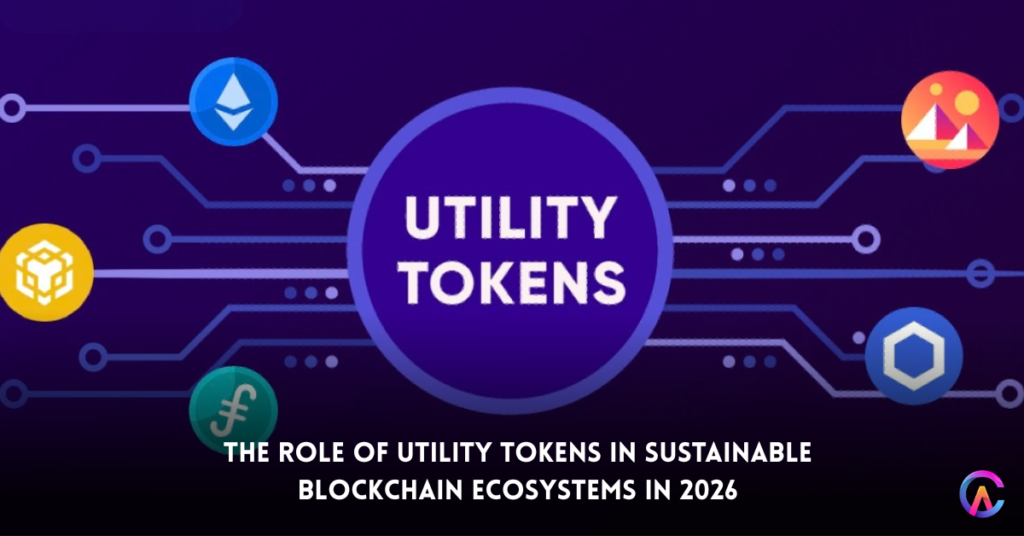
Utility Tokens in Blockchain Ecosystems 2026

Read 7 MinIn 2026, utility tokens matter most when people actually use them. Because they tie user actions to developer goals, keeping everyone moving together. Instead of chasing quick profits, these tokens help networks last longer. Their job? Letting you pay fees, access tools, lock up value for safety, vote on changes, while also giving back to those who support the system. So growth comes from real activity, not noise. Blockchains begin running like engines fueled by participation. With each interaction, the whole thing gets stronger. Not because someone said so but because it works that way by design. One year before the decade turns, most fresh blockchain setups lean on utility tokens to move value around. About half of new crypto ventures hand out tokens to keep users coming back, sparking more action across platforms. These digital assets now underpin everything from finance apps to games, AI tools, data flows, and corporate tech stacks. A closer look shows how they’re shaping long term system health. Codearies steps in by crafting custom built token frameworks tailored to client needs 1) Utility tokens align incentives for network security One way to keep blockchains secure over time? Utility tokens help by allowing users to delegate stakes. Penalties kick in if something goes wrong, thanks to slashing rules built into the system Key points Facing penalties keeps validators honest. When bad behavior happens, part of their token deposit gets taken away. This setup protects the system. Instead of using massive power like old methods do, trust comes from financial risk shared by those who verify transactions With delegated proof of stake, people can help secure the network by assigning their tokens to validators, these contributors then receive returns. Power spreads more widely this way, reducing control by large holders A drop in available tokens happens when users act poorly, this shrinkage benefits those playing fair while hitting attackers where it matters Fences go up when trust runs low, digital ones too. These systems lock tight while growing without leaks. 2) Fee markets drive sustainable economic activity Fees from utility tokens flow steadily into project coffers, this supports coding updates, safety checks, community programs. Outside investors aren’t needed when income comes straight from usage. Selling off large token stacks? Not required here Key points Fees from base layers along with those set by L2 sequencers move toward operators and scheduling systems, helping core operations remain viable when demand rises Fees shift when usage changes, stopping clutter plus sending money where it belongs, say, to those handling data access or processing batches Fee earnings help fuel decentralized exchanges, loans, and cross chain links, built from within, not propped up by outside funds Fees change how networks earn money. Yet they also shape growth patterns across systems. 3) Access control and service gating creates organic demand Utility tokens are like keys that unlock premium features, services, and data, helping to prevent free rider issues and ensuring that paying users are the ones driving growth.​ Key points Tokens provide access to AI inference. DePIN compute data feeds into premium APIs or high throughput tiers, generating natural buying pressure from genuine usage. Tiered access models allow free users to explore basic functionalities while power users can pay for priority access or advanced features.​ Subscription like systems that use tokens for recurring payments help create predictable revenue and lessen volatility compared to one time purchases. Demand comes from solving real problems. 4) Governance tokens enable community ownership Utility tokens also serve as governance tools, allowing holders to vote on upgrades, parameters, and treasury allocations, ensuring that networks evolve according to user needs.​ Key points Quadratic voting delegation and conviction voting help prevent whale dominance while empowering active users to influence the protocol’s direction. Treasury management utilizes token revenue to support public goods, developer bounties, and ecosystem tools without centralized control. Snapshot and on chain governance blend speed with finality, enabling communities to iterate more quickly than traditional foundations or VCs.​ Networks belong to their users. 5) Deflationary mechanics through burns and buybacks Sustainable tokens incorporate supply reduction strategies to counter emissions and reward long term holders. Key points Transaction fees, protocol revenue, or MEV flow into buyback and burn mechanisms, gradually reducing the circulating supply over time. Dynamic emissions adjust based on staking participation or network security needs, preventing runaway inflation. Token sinks like storage rent, bandwidth auctions, or computer leasing create ongoing demand side pressure.​ Scarcity comes from usage, not artificial limits. 6) Interoperability and cross chain utility When utility tokens connect via bridges, they travel across chains using oracles that keep data flowing. These links let the token live in many places at once while staying part of one unified system. Instead of breaking apart, the network grows wider, held together by smart routing and shared rules. Each new connection adds space without splitting what already works Key points Messages between chains allow tokens to support tools on different levels, linking main networks, secondary layers, plus specialized chains. This setup puts funds where they work best while letting systems mix more freely Funds flow freely across chains thanks to unified pools, where returns grow even as assets move via simplified connections Spending, staking, even making decisions, across different networks feels smooth when the wallet simplifies what’s underneath. Hidden layers mean fewer hurdles without slowing things down A single coin, spreading through different digital worlds. 7) Real world asset backing and stable yields Nowadays, utility tokens back real world assets, often propping up stablecoin reserves while generating steady returns from actual business flows Key points Stable payouts come from RWA backed staking, separate from crypto swings, this pulls in institutional players A steady return comes from fees earned by the system, supporting token value without relying on market bets. This income flow ensures a baseline gain, keeping interest alive even when trading slows down Buying carbon credits helps companies support clean energy while meeting environmental targets. These tokens link financial incentives with greener operations. Firms use them to attract

The State of the Crypto Industry in 2026
Crypto

The State of the Crypto Industry in 2026

Read 8 MinThe crypto landscape in 2026 is stepping into a fresh chapter where institutional investment, real world applications, and clearer regulations take center stage, overshadowing the usual hype and memecoins, even though retail trends still influence prices. Analysts are calling this the beginning of an institutional era for digital assets, with Bitcoin and stablecoins providing stability in a maturing market, while the tokenization of DeFi and AI driven infrastructure quietly transform the financial framework behind the scenes. Let’s dive into the current state of crypto in 2026 and explore how Codearies is empowering businesses to thrive in this evolving environment. 1) From speculative cycles to institutional era Crypto in 2026 remains unpredictable, but the factors driving it are shifting. Instead of relying solely on the traditional four year halving cycles, research from Grayscale and 21Shares suggests that structural demand from ETFs, institutions, and real world assets will disrupt the old patterns and prolong this cycle.​ Key points Grayscale anticipates that crypto will continue to experience a sustained bull market, with Bitcoin possibly surpassing previous highs, as the old four year cycle theory diminishes due to the stabilizing influence of institutional capital. 21Shares predicts increasing valuations across six major crypto sectors in 2026, emphasizing that on chain activity and institutional investments will play a more significant role than just retail speculation. CNBC interviews and forecasts consistently portray 2026 as the dawn of the institutional era, where digital assets are integrated into professional portfolios alongside equities and bonds, rather than being seen as niche investments.​ While price fluctuations will persist, the fundamental drivers are gradually maturing. 2) Regulatory clarity and policy shifts Regulation in 2026 has evolved from being just a looming concern to a vital enabler, especially following the policy changes that took place in 2025. Many jurisdictions have shifted from a punitive approach to a more proactive framework, allowing larger pools of capital to get involved. Key points In the US, conversations around pro crypto legislation, including proposals like CLARITY and various stablecoin bills, have boosted confidence that crypto will be woven into the financial system instead of facing outright bans.​ Both the US and Europe are making strides in rulemaking for spot Bitcoin and Ethereum ETFs, along with clearer guidelines on custody, stablecoins, and tokenized deposits, paving the way for institutions to comply. According to Coinbase’s 2025 State of Crypto and institutional surveys referenced by the media, over eighty percent of institutional investors are looking to up their crypto investments, and more than seventy five percent plan to dive into tokenized assets by 2026, once the frameworks are established. While regulatory risks still exist, the focus has shifted more towards the finer details rather than the existential threats in many key markets. 3) Institutional adoption ETFs and tokenization Institutional adoption is shaping up to be the most significant structural narrative of 2026. With advancements in ETFs, custody solutions, and tokenization, crypto is now being recognized as a serious asset class by banks, funds, and corporations. Key points The introduction of Bitcoin and Ethereum spot ETFs, along with emerging products like Solana and basket ETFs, provides pension funds, RIAs, and corporations with a regulated way to gain exposure. Predictions from Bitwise suggest that ETFs and their derivatives will purchase more than one hundred percent of the new BTC, ETH, and SOL supply in 2026. Reports indicate that traditional powerhouses like JPMorgan and Vanguard are rolling out tokenized money market funds and exploring tokenized deposits and stablecoin settlements through platforms like Kinexys.​ The growth of tokenized real world assets (RWAs), including treasuries, funds, private credit, and real estate, is expected to be a major driver, with some estimates suggesting that tokenized asset markets could soar into the trillions over the next decade, starting with 2026 as a pivotal year.​ Crypto is gradually becoming part of mainstream financial infrastructure from balance sheets to back office settlement. 4) Stablecoins becoming the internet’s money Stablecoins are quickly becoming the go to crypto solution for everyday transactions and treasury management in 2026. They offer digital dollars that can move at lightning speed while seamlessly connecting with both decentralized finance (DeFi) and traditional financial systems. Key points According to 21Shares’ crypto outlook, stablecoins are projected to exceed a trillion dollars in market cap as they establish themselves as a fundamental part of global payment infrastructure. Silicon Valley Bank believes stablecoins will evolve into the internet’s dollar, especially as regulated fiat backed models gain momentum under frameworks like MiCA in Europe and US legislation such as the GENIUS Act. Reports on institutional adoption highlight that businesses are increasingly interested in stablecoins and tokenized cash due to benefits like quicker settlements, fewer intermediaries, and programmable cash flows for B2B and cross border transactions.​ However, some analysts caution that stablecoins might destabilize weaker currencies in emerging markets, leading to new macroeconomic risks and increased regulatory scrutiny. 5) DeFi 2.0 UX compliance and yield Decentralized finance has moved beyond its experimental yield farming phase. By 2026, serious DeFi projects are honing in on user experience, compliance, and sustainable yields, often backed by real world assets (RWA). Key points 21Shares anticipates that DeFi will see rapid growth, driven by improved user experiences, clearer product market fit, and more professional liquidity provisioning.​ Institutional DeFi segments featuring KYC pools, permissioned participants, and tokenized treasuries or credit are expanding quickly, as institutions favor on chain transparency while requiring compliance tools. Predictions suggest that on chain vaults, sometimes referred to as ETFs 2.0, will double their assets under management by packaging DeFi strategies into user friendly tokenized wrappers for both retail and institutional investors. DeFi is evolving into a programmable financial backend, with interfaces that resemble familiar fintech applications. 6) Token models and utility over pure speculation Token design in 2026 is facing a lot more scrutiny. After experiencing several boom and bust cycles and airdrop crazes, both investors and regulators are now paying closer attention to real utility and sustainable economics. Key points The token trend analyses for 2026 show a strong shift towards

Top Blockchain Trends That Will Shape 2026
Blockchain

Top Blockchain Trends That Will Shape 2026

Read 8 MinBlockchain in 2026 is evolving from just a trendy buzzword into a seamless infrastructure that quietly supports payments, identity verification, markets, and asset ownership behind the scenes. It’s starting to be seen in the same light as cloud technology and the internet, essential components that products depend on, even if they don’t always label themselves as crypto companies. Here are the key blockchain trends that will define 2026, along with how Codearies is helping businesses leverage them. 1 Real world asset tokenization goes mainstream Tokenization of real world assets is moving from experimental stages to full scale production, with billions of dollars in bonds, credit, real estate, and funds now represented on blockchain networks. This shift is creating new liquidity models and around the clock global markets that look quite different from traditional finance. Key points By late 2025, the value of on chain real world assets surpassed thirty six billion dollars and is expected to grow at a much faster rate than the overall crypto market as we head into 2026. Tokenization now includes treasuries, corporate bonds, private credit, commodities, and carbon credits, moving beyond just early real estate projects.​ Regulators are increasingly rolling out compliance first frameworks, allowing banks, asset managers, and fintech companies to issue and trade real world assets with the necessary KYC, AML, and investor protections in place. For everyday users, this means they can own fractions of assets that were once only available to institutions, and they can move or use them as collateral just as easily as they would with stablecoins. 2 Modular blockchains and data availability layers Monolithic chains have a tough time scaling everything simultaneously, which is why modular architectures are stepping into the spotlight starting in 2026. In these modular designs, execution consensus and data availability are divided into specialized layers that can be mixed and matched like Lego blocks. Key points Data availability networks like Celestia and modular frameworks such as Polygon 2.0 and EigenLayer’s restaking model are set to be key infrastructure innovations for the years 2026 to 2030.​ App chains and rollups can choose the DA layer that best meets their throughput and cost requirements, rather than forcing everything through a single Layer 1.​ This modular approach allows founders to create chains tailored for specific sectors like gaming, DeFi, or real world assets, instead of competing for space on a single crowded network. For builders, modular stacks offer greater control over performance and fees, but they also introduce more design choices that demand expert architecture. 3 Zero knowledge proofs at scale Zero knowledge proof technology is finally stepping out of the lab and becoming a practical foundation for privacy and scalability, especially on Ethereum and Layer 2 solutions. ZK allows systems to verify statements about data without actually revealing the data itself. Key points ZK rollups like zkSync Era and Starknet are handling real world usage, while Polygon zkEVM provides EVM compatibility with ZK security.​ Trials from major companies, including Visa, around ZK based autopayments highlight the potential for private recurring payments on public blockchains ZK is also being utilized for identity and compliance, enabling privacy preserving KYC and proof of personhood while keeping personal data under wraps.​ This combination tackles two long standing challenges, scalability and privacy, all without completely sacrificing decentralization. 4 Stablecoins and on chain payments beat traditional rails Analysts are predicting that by 2026, stablecoins and on chain settlement will not only compete with traditional payment systems but may even outshine them in certain areas. These digital currencies allow for instant, borderless transactions in familiar denominations like dollars and euros.​ Key points Research highlights stablecoins as the most promising fit in the crypto market, with payment startups integrating them into bank transfers, QR networks, and cards. Outlook reports suggest that stablecoins are set to surpass legacy systems in key markets as merchants and fintech companies embrace them for their speed and lower transaction fees. Both corporate and consumer wallets are increasingly merging stablecoins with local fiat currencies, giving users the flexibility to choose their preferred settlement method within the same applications.​ For many users, stablecoins represent their first encounter with blockchain technology, often without them even realizing they’re engaging with crypto infrastructure. 5 DeFi 2.0 institutional friendly and integrated Decentralized finance (DeFi) is evolving from experimental yield farming into robust platforms that institutions and corporations can actually utilize. Key points Analysts anticipate that decentralized exchanges will account for over twenty five percent of spot trading volume by the end of 2026, thanks to improved user experience and growing on chain liquidity.​ Crypto backed loans in both DeFi and centralized finance (CeFi) are expected to surpass ninety billion dollars in outstanding loans, with a larger portion originating on chain.​ Institutional DeFi products featuring KYC pools, permissioned access, and real world asset (RWA) collateral are expanding as compliance frameworks become more established.​ DeFi is gradually transforming into a programmable financial backbone for both crypto native and traditional businesses. 6 Interoperability and cross chain liquidity The multi chain reality has arrived, and users now expect their assets and applications to function seamlessly across different chains, just like sending an email. Interoperability standards and cross chain messaging are designed to make the choice of blockchain almost invisible for most users.​ Key points Interoperability layers and bridges that facilitate cross chain liquidity and messaging are becoming essential for token projects gearing up for launch in 2026.​ Predictions suggest that corporate and institutional Layer 1s will start to interoperate with public networks for settlement and liquidity as they transition from pilot programs to real world applications. App specific chains that connect through interoperable protocols help reduce fragmentation, allowing teams to create custom logic while still accessing shared liquidity. Projects that overlook cross chain design may find themselves limiting their potential reach even before they officially launch. 7 Green and energy efficient blockchains Sustainability is no longer just an afterthought, designing green blockchains is turning into a competitive edge and, in some cases, a necessity. Key points Energy efficient

How to Launch a Meme Coin (Chinese Market Edition): Cost, Tokenomics & Development Guide
Blockchain, Crypto

How to Launch a Meme Coin (Chinese Market Edition): Cost, Tokenomics & Development Guide

Read 4 MinStarting a meme coin for China means knowing strict local rules, how tokens work, plus what it costs, stuff that’s way different than regular projects because Beijing keeps crypto tight as of today. This walkthrough breaks down those hurdles, shows key tech moves, gives pricing details, while zeroing in on grabbing attention from Chinese users. Understanding the Chinese Meme Coin Market Chinese meme coins usually grow from online jokes and trends big on apps like WeChat and BSC. Instead of public fundraising, lots rely on fan powered starts, spreading fast through shared stories, small giveaways, or word of mouth buzz. These drops skip mainline sales, helping dodge strict rules tied to central control. Fans jump in even though China’s been tough on crypto before, people still want new tech, as long as it plays by the rules Key Regulatory Challenges in China Buying or selling crypto, running exchanges, or mining isn’t allowed in mainland China, owning popular digital currencies also faces tight limits. Still, some people trade through overseas platforms or private deals. If you’re creating a meme coin, watch out, moving toward Hong Kong means dealing with strict identity checks and anti fraud rules. Rules differ by area, so getting legal advice helps dodge fines or trouble Core Technical Steps to Launch a Meme Coin Fix the overall number of tokens, often limited, to make them rare. Split up how they’re shared between founders, users, promo efforts, plus trading reserves, being clear about each chunk to build confidence. Use methods like burning coins, repurchasing them, or rewarding holds so the worth stays strong while cutting down extra supply Chinese meme coins often launch on BSC or other EVM based networks to keep fees low, move fast, yet reach more users at once. Instead, some might pick Layer 2s or sidechains, helping them scale easier while spending less on gas Build smart contracts that follow ERC20 or BEP20 rules, include basic token functions but also stronger safety steps, like bot resistance, locked funds access, along with community voting setups. Since laws are strict and hacks happen, better run several audit rounds using well known security teams Create a site for the project, link up digital wallets, also set up ways to handle the community, key for clear updates and keeping users involved. Run giveaways through social apps automatically, use rewards that match what’s popular on China’s online platforms. Run token release using airdrops or DEXs that follow Chinese rules. Push organic buzz through social platforms, sparking user driven spread, skip traditional coin swaps or mainline trading hubs Estimated Development Cost Breakdown These costs change based on how complex the token is, what rules need following, or how big the marketing goals are. How Codearies Helps Launch Meme Coins for China Codearies focuses on building blockchain tokens from start to finish, keeping local rules in mind, such as those in China. It supports customers by: FAQs Q1 What is essential for launching a meme coin in the Chinese market? Figuring out the rules, building a token system that works for locals, also picking blockchains that fit China’s tech setup, these things really matter if you want to make it work Q2 What’s the price tag for building a meme coin using Codearies? Prices usually start at a couple grand for simple tokens, but can jump to twenty large if you add promo work, security checks, or tricky reward systems, depends what the project actually requires Q3 Does Codearies help with legal compliance in China? Codearies offers clear direction, working alongside legal pros to follow China’s tough rules on crypto plus KYC and AML steps.​ Q4 What blockchains do Chinese meme coins usually use? Binance Smart Chain, or similar EVM friendly networks, tends to get picked because it’s cheaper, handles growth well, also backs strong developer activity Q5 Can Codearies assist with community building and marketing in China? Yes, Codearies builds social media plans, think airdrops or interaction pushes, that use homegrown channels such as WeChat along with BSC content creators to boost reach Starting a meme coin in China takes sharp tech skills along with a real feel for local rules and customs. Teaming up with pros such as Codearies helps you roll out a token that fits regulations, grabs attention, and lasts. For business inquiries or further information, please contact us at  contact@codearies.com  info@codearies.com

The Business Case for Utility Tokens Why More Startups Are Tokenizing in 2025
Blockchain, Utility Token

The Business Case for Utility Tokens: Why More Startups Are Tokenizing in 2025

Read 4 MinAs 2026 unfolds, utility tokens are quickly becoming essential to innovative startup business models. Once considered a fringe experiment limited to crypto focused projects, tokenization is now a proven method for unlocking new value, building vibrant communities, and driving engagement well beyond traditional points or loyalty rewards. From SaaS and fintech to gaming and online communities, startups are relying on utility tokens to drive customer growth, attract investor interest, and future proof their platforms. This guide discusses the key reasons behind the increase in utility token adoption. It includes major benefits, real world applications, and practical insights for founders ready to embrace this transformative technology. Understanding Utility Tokens in Startup Ecosystems A utility token is a digital asset on a blockchain that gives holders rights to access products, features, or services within a specific platform. Unlike security tokens, which represent investment shares, and traditional cryptocurrencies used for payments, utility tokens serve as a foundation for participation, rewards, and governance in digital communities. Common uses include The flexibility of utility tokens makes them perfect for startups at every stage, from attracting early users to scaling network effects. Why Startups Are Embracing Tokenization in 2025 1. Growth Through Incentivized Engagement  Utility tokens provide startups a powerful way to reward desired behaviors like referrals, content creation, feedback moderation, and community building. Users become deeply invested in not only using a product but also in growing its network and value. 2. Rapid Liquidity and Global Fundraising   While regulatory frameworks are evolving, compliant utility tokens still open new pathways to international capital, crowdsales, and incentive funding. Early adopters benefit from network effects, enabling founders to expand growth beyond local areas. 3. Programmability and Automation   Smart contracts linked to tokens automate access, rewards, discounts, governance, and more. Startups can scale without added manual efforts and quickly experiment with new growth opportunities. 4. Viral and Community Effects   When users can transfer, sell, stake, or gift tokens, every customer becomes a brand advocate. This virality speeds up organic growth and increases product loyalty, which is crucial in competitive markets. 5. Transparency and Trust   All token transactions are recorded on the blockchain for verifiable auditing. This transparency boosts brand integrity and allows users to confidently engage in the ecosystem. Business Benefits of Utility Token Adoption Essential Considerations for Startup Tokenization Real World Utility Token Examples These projects demonstrate how tokens can open entire markets and encourage new types of engagement that benefit both platforms and users. How Codearies Helps Startups Succeed with Utility Tokens At Codearies, we provide complete expertise in designing, developing, launching, and growing impactful utility token ecosystems. Our main offerings include: Our core offerings include Partnering with Codearies allows your startup to unlock blockchain’s growth and engagement potential safely and in line with your evolving business needs. Frequently Asked Questions Q1: Are utility tokens only for crypto startups?   No, modern SaaS marketplaces, gaming, edtech, and mobile apps all use tokens to drive engagement, reward loyalty, and enable unique business models.  Q2: How long does it take to launch a utility token project with Codearies?  From strategy to full launch, most projects take 8 to 16 weeks, depending on features and legal requirements. Q3: Do users need advanced crypto knowledge to use my tokenized app?   No, Codearies creates user friendly onboarding, wallet support, and interfaces so every user benefits with minimal learning effort. Q4: How do you ensure utility tokens comply with regulations? Our process includes legal reviews, compliance monitoring, and best practices to keep your project safe and future proof. Q5: What support does Codearies offer after launch?  We provide ongoing UX updates, security audits, marketing support, analytics, and help with scaling or integrating new partners. For business inquiries or further information, please contact us at  contact@codearies.com  info@codearies.com 

Tokenized Marketing Campaigns Using Blockchain to Reward Customers
Blockchain, Marketing

Tokenized Marketing Campaigns Using Blockchain to Reward Customers

Read 4 MinIn 2025, digital marketing is moving into a phase where transparency, accountability, and direct customer engagement are essential. One of the most exciting changes is the emergence of tokenized marketing campaigns. Brands are now using blockchain and digital tokens to reward, incentivize, and track customer actions in new ways. Whether you are a startup aiming to build loyalty or a large company trying to create viral engagement, tokenized campaigns are changing how businesses connect with their audience and provide lasting value. This guide will outline key concepts, practical steps, and real world examples to help you use this technology in your next campaign. What Are Tokenized Marketing Campaigns Tokenized marketing campaigns use blockchain to create digital assets or tokens. Users can earn, hold, trade, or redeem these tokens by participating in brand experiences. These tokens can represent loyalty points, exclusive access, discounts, collectibles, or even voting rights in community driven platforms. Unlike traditional rewards systems, tokenized campaigns are unique because they are transparent, scarce, verifiable, and, importantly, controlled by users due to blockchain’s decentralized nature. Why Blockchain and Tokens Elevate Marketing 1 Trust and Security Every transaction, from earning to redemption, is recorded on an open ledger. This gives users full visibility and protection from fraud or manipulation. 2 Interoperability and Liquidity Tokens can be used across different apps or platforms. They can even be traded or sold on secondary markets to unlock real world value. 3 Personalization and Gamification Brands can create tailored incentive programs, reward small actions, and introduce new forms of engagement, making the customer journey more interactive. 4 Ownership and Engagement Owning tokens fosters genuine brand advocates who are personally invested in a brand’s success. 5 Data Privacy and Consent Users have control over their wallets and data-sharing choices, earning rewards without revealing sensitive information to third parties. How Tokenized Marketing Campaigns Work Step by Step 1 Set Campaign Goals Decide which behaviors you want to encourage, such as sign ups, referrals, content creation, reviews, or purchases. 2 Choose Token Type and Blockchain Platform Select fungible tokens like points or stablecoins for broad rewards, or non fungible tokens (NFTs) for unique collectibles. Popular blockchains include Ethereum, Polygon, Solana, BNB Chain, and Avalanche. 3 Smart Contract Development Create and audit smart contracts to automate the rules for issuance, distribution, and redemption. 4 Define Distribution and Earning Mechanics Determine how users will earn tokens. Will they watch videos, share posts, join events, or make purchases? Consider how to prevent gaming or fraud.  5 Integrate With Your Customer Experience Connect wallets to your site or app for smooth earning and redemption. Design clear customer journeys and make onboarding easy. 6 Go to Market With Education and Support Communicate the benefits, guide users through setup, and answer questions about wallet safety and security.  7 Analyze and Evolve Monitor results, track on chain analytics, and be ready to adjust incentives or utilities as your campaign progresses. Real World Examples of Tokenized Campaigns High Impact Tactics for Tokenized Campaign Success Obstacles and Best Practices How Codearies Empowers Tokenized Marketing Campaigns At Codearies, we help brands design, launch, and grow blockchain powered marketing campaigns with real impact With Codearies, your campaign rewards real world actions and builds long term brand loyalty through blockchain technology.  Frequently Asked Questions Q1: Do users need crypto expertise to join a tokenized campaign? No, We create simple onboarding and wallet systems, so even beginners can earn and use tokens. Q2: Can tokens be used across different brands or platforms?  Absolutely, Tokens and NFTs can work together, allowing brands to run joint promotions or cross platform rewards. Q3: How fast can you launch a tokenized campaign? Most campaigns launch within 6 to 10 weeks, including planning, smart contract audits, and integration with your existing systems. Q4: Is it safe for businesses to use blockchain for promotions?  Yes, With proper security audits, legal reviews, and compliance, tokens are among the most secure and transparent incentive tools available. Q5: What if I want to integrate NFTs instead of traditional rewards?  We help create NFT drops for events, collectibles, loyalty programs, and digital passes, all seamlessly integrated into your marketing ecosystem. For business inquiries or further information, please contact us at  contact@codearies.com  info@codearies.com

What Is Tokenization? The Future of Digital Assets Explained
Blockchain

What Is Tokenization? The Future of Digital Assets Explained

Read 6 MinIn the digital era, technology is changing how we use money, assets, and data. One major innovation driving this change is tokenization. This process turns real-world and digital assets into tokens based on blockchain technology. While much of the financial conversation focuses on cryptocurrencies and NFTs, tokenization is a much bigger force. It is set to redefine ownership, liquidity, and access for a wide range of valuable items.   This guide will explore what tokenization means, why it matters, real-world examples, the technology behind it, challenges, and future trends. It will also explain how Codearies helps organizations and creators harness the full potential of tokenized assets. Understanding Tokenization Tokenization is the digital representation of ownership or rights to an asset, whether physical or digital, on a blockchain. Essentially, any item of value—like money, real estate, art, stocks, intellectual property, carbon credits, or loyalty points—can be turned into a cryptographic token that exists and can be transferred through decentralized networks.   Token Types in a Nutshell At its heart, tokenization is about improving security, programmability, efficiency, and accessibility for assets. It removes barriers caused by geography, middlemen, and outdated systems.   Why Tokenization Matters 1. Unlocking Liquidity Many high-value assets, like real estate, private equity, and art collections, are illiquid. This means they cannot be quickly sold or divided. Tokenization allows for fractional ownership, dividing assets into thousands or millions of tokens, each representing a share. This gives a much wider pool of investors access to these assets and releases value that is otherwise tied up in hard-to-sell items. 2. Borderless, Instant Transfers Tokens can be sent, traded, or settled in seconds from anywhere in the world, around the clock, without needing third-party approval. This simplifies cross-border transactions and eliminates delays often caused by traditional banking hours and high wire fees. 3. Transparency and Security All transactions are permanently recorded on blockchains. Smart contracts help automate complex rules, distributions, or compliance, allowing every movement to be tracked in real-time. This significantly reduces errors, fraud, and disputes. 4. Programmability and New Business Models Tokens aren’t just digital representations; they can also include built-in logic—such as royalty payments on resales, voting rights, time-based unlocks, or interoperability across different platforms. This leads to a wide array of new products, services, and revenue models.  5. Democratized Ownership Tokenization opens the door for everyone to invest in fractionalized assets, whether it’s a Manhattan skyscraper, a piece of a music catalog, or a social impact bond. This access is no longer limited to large institutions or wealthy investors. How Tokenization Works: The Technology Real-World Use Cases: Tokenization in Action 1. Real Estate 2. Art, Collectibles & Luxury Goods 3. Equities and Finance 4. Supply Chain and Commodities 5. Gaming, Tickets & Loyalty Programs 6. Intellectual Property & Royalties The Tokenization Workflow Challenges and Considerations Regulation: Tokens that represent securities or real estate must follow local and international laws.  Custody: It is essential to ensure the strong link between the digital token and the actual asset, and that those assets remain secure.  Interoperability: As tokens spread across various blockchains, standards and bridges are necessary for universal liquidity and function.  User Experience: Widespread acceptance relies on easy-to-use wallets, simple onboarding, and clear interfaces; these issues are still being addressed.  Valuation/Standards: New token categories challenge traditional methods of valuation, accounting, and transfer standards.  The Future of Tokenization How Codearies Empowers Your Tokenization Journey At Codearies, we make the tokenization revolution accessible, secure, and effective for businesses, creators, and communities around the world. Whether you want to unlock the value of physical assets or digital goods, start an investment platform, or build a token-driven economy, Codearies offers full service.   Our Core Offerings Include: Custom Token Design & Engineering: We create fungible and non-fungible tokens (NFTs, security tokens, utility tokens) that suit specific business models, asset types, and legal requirements. Asset Tokenization Platforms: From tokenizing real estate to managing commodities or royalty streams, we develop scalable, compliant systems to securely issue, manage, and distribute your tokens. Marketplace & Exchange Development: We design user-friendly, compliant marketplaces and exchanges that can onboard both retail and institutional clients with seamless wallet integration and strong security measures. Legal & Regulatory Compliance: Our legal and compliance team works to ensure your token meets all local and international regulations—especially for securities and financial assets. Smart Contract Audits: We prioritize security by rigorously auditing and testing all smart contracts to avoid vulnerabilities and ensure dependable operations. UI/UX & Customer Experience: Our designers create easy-to-use wallets, dashboards, and user flows for both Web2 and Web3, promoting widespread adoption and minimizing complexity. Lifecycle Support: Codearies provides long-term support for token management, upgrades, regulatory compliance, and secondary market development.  Partnering with Codearies allows you to turn the complex idea of tokenization into an actual, revenue-generating product that emphasizes security, compliance, and user empowerment.  Frequently Asked Questions (FAQ) What types of assets can Codearies help tokenize? Almost anything! Real estate, equity, art, intellectual property, commodities, loyalty points, event tickets, creative royalties—if it holds value, Codearies can help design, secure, and launch its digital token representation. How does Codearies ensure our tokenization project complies with regulations? We work closely with top legal experts to align your project with current laws (like securities, KYC/AML, and property rights) worldwide, and we design smart contracts and onboarding processes to ensure your tokens are both innovative and compliant. How can tokenization benefit small businesses or creators? It opens up access to global funding, fans, and investors. It allows for fractional ownership of high-value assets, automates royalty payments, and creates new revenue models through NFTs, loyalty programs, and DeFi integrations. Codearies customizes solutions for every scale and audience.  Can Codearies integrate tokenization solutions with existing platforms or apps? Yes! Our team specializes in modular integrations, allowing wallets, token features, and marketplaces to fit into your current digital setup, whether it’s mobile, web-based, or made for enterprises. What support does Codearies provide after launch? We offer complete lifecycle support, including technical maintenance, security upgrades, regulatory updates, feature expansion, customer support, and strategies

Scroll to Top

Have A Project In Mind?

Popuo Image