
Author name: contact codearies

Codearies@12345678

Why Utility Tokens Are Exploding: New Trends, Use Cases & Market Shifts
Utility Token

Why Utility Tokens Are Exploding: New Trends, Use Cases & Market Shifts

Read 5 MinUtility tokens are on the rise because the crypto landscape is finally moving beyond mere speculation to real world applications. These tokens are now driving payments, governance, loyalty, and access within actual products, rather than just being tools for trading charts. The rapid expansion of tokenization, DeFi, NFTs, and social tokens is prompting businesses, especially startups, to integrate utility tokens into their apps for better engagement, automation, and innovative revenue models, leading to a growing demand for well crafted token economies. What makes utility tokens different Utility tokens serve as digital keys that grant access to services, features, or rights within a specific ecosystem, unlike security tokens that primarily represent investment contracts. Currently, enterprises, Web3 startups, and creators are leveraging utility tokens for access control, in app payments, governance, and community rewards, making them a fundamental part of digital products rather than just an afterthought.​ Two big shifts stand out this year Learn everything about Utility Token Development Process, Tech Stack & Cost New trends driving utility token growth A number of blockchain trends are coming together to boost the adoption of utility tokens. High impact utility token use cases Utility tokens are making waves across various industries, serving as the essential link between users, products, and data. Market shifts and numbers behind the boom The expanding digital tokens and tokenization markets highlight why utility tokens are capturing so much interest. These statistics indicate a fundamental shift in how tokens are perceived, evolving from mere speculative instruments to being recognized as essential infrastructure for digital products. Best blockchains for launching utility tokens When it comes to launching utility tokens, picking the right blockchain is a crucial move since it influences gas fees, integrations, security, and how far your community can reach.​ Tokenomics design trends for utility tokens A well crafted tokenomics strategy can be the key factor that separates successful utility token projects from those that flop. How Codearies helps you build and scale utility token projects Codearies is your go to partner for developing and scaling utility token projects from start to finish. They help clients transform their ideas into thriving token ecosystems that have real world applications. In the discovery phase, Codearies collaborates with founders and product teams to translate business objectives into tangible token utilities. This could mean anything from access rights and in app payments to loyalty programs and governance models, all while ensuring that everything aligns with user value and regulatory requirements. Their team crafts comprehensive tokenomics that address supply allocation, vesting, emissions, and incentive structures, focusing on fostering sustainable growth rather than just short term gains. On the technical front, Codearies builds smart contracts on top tier chains like Ethereum and other compatible networks, tailoring their approach based on performance and cost needs. They seamlessly integrate these contracts with your apps, dashboards, wallets, and analytics. Additionally, Codearies offers support for audits, integration testing, and phased launches, whether it’s presales, fair launches, or in app rollouts, along with ongoing optimization as your user base and token economy grow. FAQs about utility tokens and Codearies Q1) Why are utility tokens trending? Utility tokens are gaining popularity because the crypto markets are increasingly valuing real world utility. They’re being embraced in areas like DeFi, gaming, NFTs, and loyalty programs, all driven by strong user engagement and clear demand on the blockchain. Q2) How does Codearies approach utility tokenomics design? Codearies begins by understanding business goals and user behaviors. From there, they craft token supply distribution, vesting schedules, and incentive models that foster sustainable demand loops, steering clear of fleeting hype. Q3) Which blockchain does Codearies recommend for utility tokens? Codearies often suggests Ethereum Layer 2 networks or chains like Polygon and BNB Chain for various consumer and DeFi applications. They also consider Solana or similar networks for high throughput gaming or real time applications, depending on the specific needs of each project. Q4) Can Codearies help connect tokens with apps and dashboards? Absolutely, Codearies not only develops smart contracts but also integrates them into web and mobile applications, admin dashboards, and analytics tools. This way, tokens can enhance real user experiences and provide measurable KPIs. Q5) Does Codearies provide post-launch support for token projects? Yes, Codearies offers post launch services that include monitoring, feature updates, adjustments to tokenomics, and new utility integrations. This support helps projects adapt to market changes and beyond, all while maintaining user trust and long term value. For business inquiries or further information, please contact us at  contact@codearies.com  info@codearies.com

How to Launch a Meme Coin (Chinese Market Edition): Cost, Tokenomics & Development Guide
Blockchain, Crypto

How to Launch a Meme Coin (Chinese Market Edition): Cost, Tokenomics & Development Guide

Read 4 MinStarting a meme coin for China means knowing strict local rules, how tokens work, plus what it costs, stuff that’s way different than regular projects because Beijing keeps crypto tight as of today. This walkthrough breaks down those hurdles, shows key tech moves, gives pricing details, while zeroing in on grabbing attention from Chinese users. Understanding the Chinese Meme Coin Market Chinese meme coins usually grow from online jokes and trends big on apps like WeChat and BSC. Instead of public fundraising, lots rely on fan powered starts, spreading fast through shared stories, small giveaways, or word of mouth buzz. These drops skip mainline sales, helping dodge strict rules tied to central control. Fans jump in even though China’s been tough on crypto before, people still want new tech, as long as it plays by the rules Key Regulatory Challenges in China Buying or selling crypto, running exchanges, or mining isn’t allowed in mainland China, owning popular digital currencies also faces tight limits. Still, some people trade through overseas platforms or private deals. If you’re creating a meme coin, watch out, moving toward Hong Kong means dealing with strict identity checks and anti fraud rules. Rules differ by area, so getting legal advice helps dodge fines or trouble Core Technical Steps to Launch a Meme Coin Fix the overall number of tokens, often limited, to make them rare. Split up how they’re shared between founders, users, promo efforts, plus trading reserves, being clear about each chunk to build confidence. Use methods like burning coins, repurchasing them, or rewarding holds so the worth stays strong while cutting down extra supply Chinese meme coins often launch on BSC or other EVM based networks to keep fees low, move fast, yet reach more users at once. Instead, some might pick Layer 2s or sidechains, helping them scale easier while spending less on gas Build smart contracts that follow ERC20 or BEP20 rules, include basic token functions but also stronger safety steps, like bot resistance, locked funds access, along with community voting setups. Since laws are strict and hacks happen, better run several audit rounds using well known security teams Create a site for the project, link up digital wallets, also set up ways to handle the community, key for clear updates and keeping users involved. Run giveaways through social apps automatically, use rewards that match what’s popular on China’s online platforms. Run token release using airdrops or DEXs that follow Chinese rules. Push organic buzz through social platforms, sparking user driven spread, skip traditional coin swaps or mainline trading hubs Estimated Development Cost Breakdown These costs change based on how complex the token is, what rules need following, or how big the marketing goals are. How Codearies Helps Launch Meme Coins for China Codearies focuses on building blockchain tokens from start to finish, keeping local rules in mind, such as those in China. It supports customers by: FAQs Q1 What is essential for launching a meme coin in the Chinese market? Figuring out the rules, building a token system that works for locals, also picking blockchains that fit China’s tech setup, these things really matter if you want to make it work Q2 What’s the price tag for building a meme coin using Codearies? Prices usually start at a couple grand for simple tokens, but can jump to twenty large if you add promo work, security checks, or tricky reward systems, depends what the project actually requires Q3 Does Codearies help with legal compliance in China? Codearies offers clear direction, working alongside legal pros to follow China’s tough rules on crypto plus KYC and AML steps.​ Q4 What blockchains do Chinese meme coins usually use? Binance Smart Chain, or similar EVM friendly networks, tends to get picked because it’s cheaper, handles growth well, also backs strong developer activity Q5 Can Codearies assist with community building and marketing in China? Yes, Codearies builds social media plans, think airdrops or interaction pushes, that use homegrown channels such as WeChat along with BSC content creators to boost reach Starting a meme coin in China takes sharp tech skills along with a real feel for local rules and customs. Teaming up with pros such as Codearies helps you roll out a token that fits regulations, grabs attention, and lasts. For business inquiries or further information, please contact us at  contact@codearies.com  info@codearies.com
How to Build a Taxi App: Cost Breakdown & Complete Development Guide
Taxi App

How to Build a Taxi App: Cost Breakdown & Complete Development Guide

Read 4 MinCreating a taxi app now means setting up a solid system that links riders and drivers using smooth phone and website tools, along with accurate GPS, instant pairing, while also handling safe money transfers. If you want your cab app to succeed, grasp key functions, design choices, expenses, plus plans for growing after release, so you can stand tall against top players Figuring out what taxi apps do behind the scenes Taxi apps let people grab a ride right away or set one up later, whereas drivers receive trip alerts, finish the job, then collect their pay. Passengers’ start and end points are linked to available drivers close by, factoring in road congestion and who’s online. These platforms usually include separate apps for riders and drivers, while a backend dashboard manages everything behind the scenes Core features of a taxi app Passenger app features Driver app features Admin panel Technology and architecture for a taxi app Taxi apps rely on flexible backend setups that manage ride demands, map tracking, or money transactions without slowing down. Key parts of this setup involve Taxi app development cost explained piece by piece Development expenses can differ a lot based on how many platforms you need like Android, iOS, or Web, not to mention the app’s features, where your team is located, along with how long the project runs. Here’s a rough idea of what things might cost. Major cost drivers What Codearies does for taxi app ideas Codearies handles full cycle digital creation, so startups or big firms can get flexible taxi apps that fit their goals. These tools match specific needs while scaling smoothly over time In the beginning, Codearies works alongside you to figure out what features work best, along with how users move through the app and what rules fit your area’s laws. Instead of guessing, their team builds driver and rider apps that handle booking, following trips, and payments without hiccups. On top of that, they include backend tools so managing daily tasks feels smooth Codearies builds apps using up to date tools plus a strong cloud setup that handles lots of users at once, live location tracking, instant ride matches by area, along with safe payment processing, so your cab service keeps running smoothly as more people join. On top of coding, they bring in data insights, regular system checks, and smart scaling plans to boost customer loyalty and increase earnings over time FAQs Q1 What is the typical timeline to develop a taxi app with Codearies? A basic MVP might launch in roughly three to four months, whereas a complete platform, with complex tools and backend setups, could go beyond half a year, shaped by how big it is and what users say along the way Q2 What’s the price to create a taxi app using Codearies? Prices change based on how many people are involved, what tools you need, also which platforms you’re using, typically starting around $25k for basic versions, going up past $200k if it’s a big system running across several cities Q3 What tools does Codearies suggest using for taxi apps? Codearies usually suggests going with built in app tools or flexible dev platforms hooked up to backend systems like Node.js or Java, linking them to databases such as PostgreSQL or MongoDB, adding location features through Google Maps, enabling live updates via fast communication methods, then layering on trusted checkout options that fit what each customer wants Q4 Could Codearies assist with rules adherence or include safety tools? Yes, Codearies helps set up KYC checks, run driver history screenings, add emergency buttons inside the app, or handle rules that change from place to place Q5  Is there help from Codearies after launching a taxi app? Codearies keeps helping after launch, tweaking features, boosting speed, watching system health, while pushing updates so your taxi app stays sharp and ready to grow For business inquiries or further information, please contact us at  contact@codearies.com  info@codearies.com

How to Build a Live Selling Platform Like Whatnot: Features, Tech Stack & Development Cost
Whatnot

How to Build a Live Selling Platform Like Whatnot: Features, Tech Stack & Development Cost

Read 6 MinCreating a live selling app similar to Whatnot involves mixing instant video streams, live bidding, messaging, online shopping, also group interaction into a single tool, so makers can display items then sell them fast as people tune in and place bids. For your shopping livestream app to work well, you need quick response streaming, an easy checkout path, solid oversight tools plus backend systems ready for sudden jumps in users watching at once or making purchases To understand what is whatnot? and the rise of live social selling. Read this Blog. How a live selling platform works A live selling setup helps vendors go on air, showcase items, host quick sales or bidding rounds, while folks viewing can reply instantly, quiz the seller, offer prices, then buy right there. Off camera, it handles streaming tech like signal processing, format conversion, smooth broadcast, tracks stock levels, updates costs, processes transactions, follows up with data, all linked smoothly behind the curtain Core actors Key things needed for a live shopping app like Whatnot Buyer side features Seller features Admin features Tools and setup behind live shopping apps A Whatnot style platform works like live video plus shopping online, so the setup needs fast response times, handles many users at once, while keeping payments safe and reliable. Live feeds plus instant updates Online shop systems along with support tools Client programs or dashboards Non functional requirements Development cost for a live selling platform like Whatnot Price changes based on how big the project is, number of users at once, what devices it works on, also which tools need to connect Industry numbers for online sales plus live video setups show a simple version, just live feed, item display, messaging, basic payment, usually costs between $40k and $80k. A step up, with bidding features, user tailoring, phone apps, data tools, might run $80k to $150k or higher. Full scale systems meant for worldwide use, meeting varied legal rules, linking deeply with other software, often go past $200k, particularly if the stream setup or auction mechanics get tricky Biggest cost drivers What Codearies does to help you set up a real-time sales system Codearies might handle everything tech wise when setting up a live shopping system, guiding your project from concept to launch, shaping an app or site that fits your audience, using today’s streaming tools alongside solid online sales tech In discovery plus planning, Codearies teams up with you to pin down who’s buying, how it earns, what rules apply, then turns those into a straightforward plan for features real users need, whether they’re selling, shopping, or managing. Instead of cluttered layouts, their design crew builds clean screens so viewers find videos, items, and talk boxes fast across phones and browsers, matching your look while pushing action On the tech end, Codearies sets up fast live video streams using current standards while also building safe server systems that handle products, stock levels, sales data, and payments, linking it all smoothly for a real time shopping flow. Once things go live, they help fine tune speed, track user behavior, and roll out new functions like rewards setups, smart item suggestions driven by AI, or tools for streamers, all helping your platform expand alongside audience growth and income goals FAQs Q1 What is the first step to start a live selling project with Codearies? The initial phase involves a chat, Codearies checks out your market focus and how you plan to run live sales, then maps a gradual path starting with a basic version, building up toward a complete streaming storefront Q2 What’s the price to create a live shopping app using Codearies? Prices change based on tools, systems, and size, often similar to what you’d see with tailored online stores or streaming setups, basic versions start around a few grand, while bigger setups across multiple areas can hit six digits, then Codearies sends a clear breakdown once they know what’s needed Q3 What tools does Codearies use for live shopping apps? Codearies uses today’s frontend tools, web or mobile, with a backend that grows as you do, tied together by fast data flow systems like WebRTC or ultra low delay HLS through CDNs, while weaving in messaging features alongside payments secured just right for your speed and cost goals Q4 Could Codearies handle live auctions along with instant messaging? Yes, Codearies sets up live auctions featuring countdown clocks, instant bids, skip the line purchase options, built in messaging plus emoji responses, letting shoppers talk to vendors while racing to grab goods kinda like on Whatnot Q5  Is help available after launch for Codearies’ live shopping tools? Codearies keeps an eye on upkeep while rolling out fresh tools, think better streaming stats views plus income boosting upgrades, to help your livestream store grow steadily without hiccups For business inquiries or further information, please contact us at  contact@codearies.com  info@codearies.com
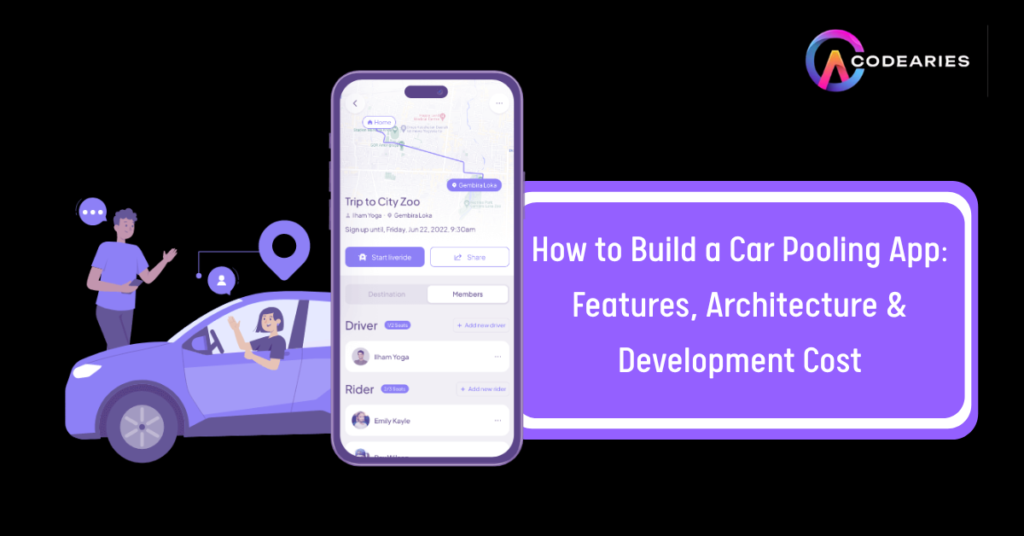
How to Build a Car Pooling App: Features, Architecture & Development Cost
Car Pooling App

How to Build a Car Pooling App: Features, Architecture & Development Cost

Read 6 MinCreating an app for ride sharing involves linking people who drive with spare seats to others heading the same way, cutting down on expense, travel time, and pollution. Success depends on solid planning around features, building a system that grows smoothly as users join, plus understanding how much it’ll really cost to go from basic version to full release. How a car pooling app works A car sharing app links people giving lifts with others heading that way, using GPS based fares and chat inside the app. One side lists trips, times, and open spots, the other checks options, picks a match, reserves space. Money moves through the platform after rides happen, feedback follows, keeping things smooth and reliable Main users work within the system Also learn How AI and Data Sharing Are Making Car Pooling Apps Smarter. Key things a ride sharing app needs Passenger app features Driver app features Admin panel Design plus tools for an app that shares rides Car pooling apps rely on live tracking, solid user pairing, plus safe money transfers, so their design should focus heavily on speed, protection, and room to grow High level architecture Popular tools you might use Key architecture concerns Sharing ride apps: what it takes to build one, money wise Guesses from several carpooling app handbooks suggest price swings a lot based on what functions are included, how broad the plan is, also where the builders are located A basic carpooling app, ones that let people sign up, post rides, look for trips, book seats, pay easily, plus leave reviews, typically runs between $20K and $60K. Fancy versions? They include smart match systems, dynamic pricing, live data tracking, heavy duty server setups, those jump to $60K, sometimes way past $200K Main cost drivers Ways to make money from ride share apps Car pooling along with ride sharing apps often mix several ways to earn money What Codearies does when you’re making a ride share app Codearies steps in from start to finish when building a carpooling app, guiding you through design, turning ideas into reality, getting the product live, while making sure it grows alongside your target audience and revenue strategy. Once we figure out who you’re building for, Codearies looks at how people move around their city, what rules apply, so we can shape real use cases. That info turns into straightforward paths users will take, core functions, ways to earn revenue, first for your basic ride share version, then beyond. Our design team crafts rider and driver apps along with backend systems that make listing trips, finding matches, reserving seats, and monitoring progress feel smooth. Safety stays front and center via identity checks and open profile details that build confidence from the start Codearies builds ride share apps using up to date tech setups. Their backend systems grow as you scale, working alongside map tracking, payments, plus chat features, so users get smooth booking and routing without hiccups. Once live, they keep tweaking things, speed fixes, usage reports, tool upgrades. New stuff rolls out now and then, like group rides for companies, paid plans, or smart matching that boosts shared trips and earnings. FAQs Q1 So you wanna kick off a carpooling app with Codearies, where do you begin? The first move’s a chat, Codearies checks your car share idea, local rules, cash limits then maps out a step by step plan starting small, building up to full ride sharing tools Q2 What’s the price to build a car sharing app using Codearies? Carsary’s pricing fits typical market rates for ride share apps, basic versions kick off around twenty grand, full featured cross platform builds cost more. They’ll send you a clear quote once they know your needs and what matters most Q3 What tools does Codearies use for ride-share apps? Codearies usually picks today’s mobile tools either built in ones or shared across platforms. Instead of that, they team them up with backends such as Node.js. Alongside, there’s either a classic database or a flexible NoSQL option tagged in. On top of it, features like maps pop up, payment systems hook in, plus live chat runs smooth. Each pick fits how fast things should work and what you can spend Q4 Can Codearies implement advanced safety and matching features? Codearies could include tools like profile verification, user ratings, emergency info setup, match by route tech, plus live location updates, features folks now expect on rideshare or carpool apps Q5 Is there help from Codearies after launching a car share platform? Codearies gives you updated tools to watch how things run, while helping your carpooling app grow safely. It handles extra people and trip paths without breaking a sweat. New work commutes? No problem. Shifting to city to city rides? That’s covered too, thanks to smart upgrades built in along the way For business inquiries or further information, please contact us at  contact@codearies.com  info@codearies.com
How to Build a Food Delivery App: Features, Tech & Development Cost
Food Delivery Apps

How to Build a Food Delivery App: Features, Tech & Development Cost

Read 6 MinCreating a food delivery app now involves setting up a full system where users, eateries, and couriers link through quick orders, hassle free payments, but live updates, all in one spot. Staying competitive calls for solid features, flexible technology, yet a good grasp of expenses tied to building such an app, so it evolves from basic version into a working, money making service How food delivery apps work Food delivery apps connect people looking for meals with eateries making them, while drivers, either company workers or outside helpers, take care of getting orders to doors. This setup links finding a spot, checking menus, placing orders, paying up, sending out food, watching its progress, plus sharing thoughts afterward, all through one smooth online process, letting everyone involved know their role right away Important parts of today’s meal delivery apps Read how AI and Data Analytics are revolutionizing food delivery apps. Key things your meal delivery app needs A solid food delivery app begins by outlining key features for each user, this keeps things smooth and dependable, no matter how big it grows Customer app features Food spot or seller dashboard Courier or delivery driver app Admin panel Smart tools plus what’s new  To get noticed in food delivery apps, companies are building smarter tools, using automated systems while opening extra ways to earn income Important advanced capabilities Emerging trends Tools needed to build a food delivery app Picking the correct tools for a food delivery app shapes how well it runs, its expenses, also whether it can grow into new areas easily Frontend and mobile Backend and database Infrastructure and integrations Food delivery app creation price Food delivery app price? It hinges on what kind you want, how many user types it supports, also features’ difficulty, look and feel, tools used, where coders are based. Stats reveal solid estimates once purpose is set Extra cost drivers What Codearies does when you’re making a food delivery app Codearies acts like your go to tech buddy, turning your food delivery concept into a live, sleek app. They use solid tools plus fresh design to build what works now. Starting small with an MVP? No problem. They plan each step ahead, so growing later feels smooth. From first sketch to full launch, they stay on track without fluff or fake promises During early talks, Codearies gets clear on who your users are, where they live, plus how your business actually makes money. After that, they sketch out how customers, eateries, or drivers move through the app – this shapes what features matter most at launch and down the line. Instead of copying others, they build mobile apps and control panels focused on people. Ordering feels natural, menus stay easy to scan, while live updates keep everyone in sync. The result? Your service runs just as smoothly as big name delivery platforms, but fits your local scene like a glove When building food delivery apps, Codearies picks up to date tools, like strong backend systems that grow with demand, safe payment options, map features, plus mobile interfaces ready for busy times. They don’t stop at coding, they help test, release, track performance, then keep refining things afterward. Whether it’s rolling out membership plans, rewards, or branching into groceries and meds, their updates match how you plan to scale FAQs Q1 So you wanna kick off a food delivery app with Codearies, where do you begin? The initial chat’s about figuring out what you want, Codearies checks your target audience, cash limits, so they can sketch a step by step path. This includes launching basic app functions first, followed by adding more down the line Q2 What’s the price to build a food delivery app using Codearies? Price changes based on what you need, how complex it is, or which team members are involved, yet Codearies fits into normal pricing, whether it’s a small startup version or a big system running across cities, once they check your needs, they send a clear breakdown Q3 How much time does making a food delivery app need? A simple version for a single city usually takes around two to four months. But fancier setups like ones with driver apps, deep data tools, or coverage across many areas, might need half a year or more. Time changes based on features and how fast users respond Q4 Can Codearies integrate AI and personalization into the app? Yes, Codearies could add smart suggestions powered by AI, better search tools that learn from users, along with custom deals based on past orders, these features tap into current habits seen in food apps aiming to boost interaction and sales Q5 Does Codearies provide post launch support and scaling? Codearies helps you tweak things after launch, like speed fixes or new tools with solid data checks, so your food delivery app gets better at turning clicks into orders, streamlining deliveries, while keeping more users around as time goes on For business inquiries or further information, please contact us at  contact@codearies.com  info@codearies.com
Utility Token Development: Complete Guide to Process, Tech Stack & Cost
Blockchain, Utility Token

Utility Token Development: Complete Guide to Process, Tech Stack & Cost

Read 9 MinA utility token’s made by creating and rolling out a digital coin on a blockchain, this kind isn’t just cash, it unlocks tools, perks, or actions in an online space. Teams working on these tokens care more about actual uses, how rewards are set up, safety rules, legal fit, plus solid backend systems to run lasting Web3 apps and groups. What is a utility token? A utility token’s a digital thing built on blockchain tech, giving folks entry to features, deals, perks, decision power, or functions within one particular network. They typically pop up on established networks such as Ethereum, BNB Chain, Polygon, or Solana instead of being tied to stock or financial assets. Key characteristics include Learn why more Startups are moving towards Utility Token Everyday situations where it actually works Today’s utility coins work across many Web3 setups along with online ventures These examples pop up in DeFi, gaming, or social apps, also in toolsets for creators and business software. Tokens here tie together users, coders, maybe funders, through common rewards Utility token vs security token vs coin A coin such as Bitcoin or built in network tokens typically acts as the main money on a blockchain, handling fees while also holding value. Security tokens show proof of ownership or a share in earnings, commonly regulated like traditional investments across different regions. On the flip side, utility tokens are made mostly to unlock features and let users interact with services, rather than hand out business stakes, aiming at usefulness instead of returns but rules can still apply depending on how they’re used. End to end utility token development process A full ride building a utility token usually moves through clear phases, starting with a thought, then shaping it up, getting things running, plus fine tuning after release 1 Define vision use case and value Begin by spelling out the issue clearly, pair it with who’s actually using the thing, that way the token isn’t just tossed in later like an afterthought 2 Design tokenomics and economic model Tokenomics keeps things running, without it, value can’t last or stay steady over time 3 Choose blockchain platform and token standard Picking a good chain means thinking about price, how it feels to use, safety stuff, also which networks you can connect to 4 Define feature set and compliance boundaries 5 Smart contract architecture and development Smart contracts set how tokens work, while defining supply limits along with extra features 6 Security checks plus code validation Security matters big time, glitches hit wallets hard, wrecking user confidence along the way 7 Frontend backend and ecosystem integration Utility tokens grow strong once built right into actual apps 8 Token launch community building and liquidity How you start matters, community support shapes how fast it spreads, while trust keeps prices steady 9 Post launch monitoring optimization and scaling Once it’s live, attention turns to tracking performance data while updating tools Recommended tech stack for utility token development A solid set of tools for today’s token systems usually means mixing blockchain platforms with backend services, cloud setups, alongside data tracking Core blockchain layer Smart contract development Infrastructure and backend Frontend and wallets Monitoring and security Utility token development cost overview Prices change a lot based on how tricky the project is, where the team’s from, safety needs, or what legal path you take Major expenses come from things like Common errors, what to watch out for, also smart moves that help Mixing up token value rules, skipping solid safety steps also building something nobody actually wants that’s where most stumble. Top tips for projects What Codearies does when building utility tokens Codearies works across the entire blockchain spectrum, guiding utility token projects from initial planning through launch while handling technical setup alongside real world deployment, so you’ve got support every step of the way. Instead of juggling multiple teams, one group manages your product’s backbone plus its public rollout. They don’t just build systems, they shape how people actually use them. From coding smart contracts to setting up user incentives, everything ties together under a single workflow. No extra fluff, no vague promises, just focused execution that adapts as your project grows Codearies can support clients through the complete lifecycle Since Codearies handles blockchain, AI, websites, apps, and promo work, one crew can link a client’s token to actual goods, live dashboards, data tools, also plans for scaling, no more letting the token float apart from everything else Frequently asked questions Q1 What’s a utility token when building it for your company? A utility token built for your company lets you create a digital coin on the blockchain, this unlocks features, handles transactions, supports decision making, or gives incentives within your app. That way, people enjoy actual benefits, while you open fresh ways to grow involvement and income Q2 What’s the price to create a utility token using Codearies? Costs depend on chain selection feature complexity audits and integration scope but in general simple standard utility tokens are far cheaper than end to end platforms with staking and governance so Codearies starts with a discovery call and then shares a transparent budget and roadmap based on your needs. Q3 Which blockchain and tech stack does Codearies recommend? Codearies usually picks Ethereum like networks, like, Ethereum itself, Polygon, or BNB Chain, thanks to solid tools and deep markets. It builds with up to date tech, Solidity for smart contracts, Hardhat for testing, OpenZeppelin for security, React for front end, plus trusted node services. The specific combo shifts based on speed needs, budget limits, and what the project’s environment demands Q4 Does Codearies assist with token structure plus rules friendly setup? Yep, Codearies sets up token structures that keep rewards steady plus allow fair control. They team up with your lawyers to dodge setups risking tokens being seen as securities where it counts Q5  After launching utility tokens, does Codearies give follow up help? Codearies might handle updates after launch, check performance tweaks, adjust agreements

How Blockchain Can Enhance Mobile App Transparency
Blockchain

How Blockchain Can Enhance Mobile App Transparency

Read 5 MinMobile apps touch most parts of daily life, think chatting, watching videos, paying bills, checking health stats, or buying stuff online. But they’re getting trickier, using tons of personal info, which sparks worries about snooping, shady data deals, secret code choices, and sketchy behavior. People want clearer answers now, so users can actually see what’s happening behind the scenes, this push comes not just from customers but also watchdogs and companies trying to do right by folks, calling for simpler ways to prove safety and give real power back to individuals. Blockchain tech might be a game changer for making mobile apps more open. Because it’s spread out and locked once written, key actions, data paths, and access rights stay visible and safe from tampering. Here, we dig into turning that idea into real world tools, how blockchains bring honesty to apps people use daily. You’ll see actual perks for companies, along with examples that prove it works. Plus, find out how Codearies supports brands ready to lead in clear, trustworthy mobile solutions. The Challenge of Transparency in Mobile Apps Even though more people are catching on, mobile apps still find it tough to clearly show where your info goes, also what they do with it or how they cash in. Common problems? Not spelling out who gets your data or being upfront about sneaky tracking behind the scenes This lack of clarity chips away at user confidence, brings in regulators looking closer, while also shrinking chances for growth as global privacy rules tighten. How Blockchain Technology Supports Transparency Blockchain’s a shared record system, with data locked in code and spread over many separate computers. What makes it tick brings real openness perks to phone apps. 1. Immutable Auditable Records Each transaction, every permission, any app activity, or data transfer logged on chain gets locked in with a time stamp. So people plus authorities check what happened anytime, straight from the source, no need to just trust the app maker. 2. Decentralized Trust Model With blockchains, info isn’t locked under one group’s control. it spreads across many systems instead. That setup cuts down on manipulation chances because no lone actor can alter records without others noticing. So apps built this way tend to answer better for their actions. 3. User Empowerment and Data Ownership With decentralized ID plus tokens, people see exactly what info they’re sharing, alongside who gets it and when. Using blockchain, folks allow access only to approved parties while pulling it back anytime, keeping control firmly in their hands. 4. Transparent Algorithmic Governance Smart contracts put app rules on a public ledger, so people see exactly how choices happen. Rules for suggestions run through code that’s visible to everyone. Data use policies show up transparently, making it clear who does what. Users get full visibility, while checkers can verify every step without guessing. 5. Incentivized Feedback and Participation Tokens or badges on blockchain might push people to act openly like checking how info is used, calling out misuse, or joining group decisions, with small perks as nudge. Practical Use Cases of Blockchain Transparency in Mobile Apps Privacy and Data Consent Management Apps save your choices about permission plus data use straight onto the blockchain, so you can check or cancel them whenever, no need to rely on the app makers. Supply Chain and Provenance Tracking in Retail Apps Ecommerce apps rely on blockchain so buyers see where products come from, their verified labels, or how they’ve moved, building confidence without guesswork. Transparent Loyalty and Reward Programs Folks can keep an eye on rewards, how they’re handed out or used, thanks to blockchain powered tokens, which also move easily between linked platforms. Secure and Transparent Immutable Logs Banks plus hospitals use blockchain to keep records safe, so no one can mess with them, fake info, or sneak in without permission. Algorithmic Transparency for Content and Advertising Some apps put bits of their code or ad rules onto the blockchain, so people or outside tools can check if things are fair. Instead of just trusting, you get proof through open records that show how decisions are made. Business Benefits of Blockchain Enhanced Transparency Implementation Considerations and Challenges How Codearies Drives Mobile App Transparency Powered by Blockchain With Codearies, brands tap into clear tech benefits using full cycle app creation, crafting, building, rolling out smart phone tools that just work. One step at a time, we shape ideas into real digital products people use every day. Our approach includes: Teaming up with Codearies helps your mobile app become more transparent, while also building lasting customer trust and boosting long term gains. What’s more, it creates a stronger foundation for growth without relying on hype or empty promises. Frequently Asked Questions Q1 Which kinds of apps gain the biggest advantages from clear blockchain records? Apps that guard your data, money tech, health services, online shops, delivery networks, reward setups, alongside community hubs, they’re ahead where trust matters most. Q2 Could blockchain in phone apps work alongside old-school databases? Yes, hybrid setups use blockchain to keep key actions visible, yet rely on fast back end systems for data handling instead. Q3 How fast can Codearies set up blockchain transparency tools? A basic sign off system might go live in a month or two, though reward setups with rules often take half a year. Setup time jumps when more checks and balances are needed instead of just quick approvals Q4 What’s your way of teaching people about clear blockchain records? We create easy to follow setup guides, live tracking tools, also clear overviews so anyone can grasp what blockchain offers Q5 Does blockchain openness fit rules like GDPR? With privacy built in from the start, along with strong encryption and giving users real say, blockchains might actually help meet rules more easily. For business inquiries or further information, please contact us at  contact@codearies.com info@codearies.com

AI for Social Good: How Machine Learning Is Driving Humanitarian Innovation
AI

AI for Social Good: How Machine Learning Is Driving Humanitarian Innovation

Read 5 MinArtificial intelligence especially machine learning, is changing how we do things across different parts of life. A powerful shift is using AI to help people, where smart tools tackle real world problems like emergencies, health struggles, environmental threats, or lack of basic needs. Through 2025, charities, public agencies, and forward thinking groups are turning to AI systems that boost teamwork, speed up results, while opening fresh ways to build a fairer world. This clear walkthrough shows how machine learning fuels social change, spotlighting real wins, moral questions, new tech shifts, while also revealing how Codearies teams up with groups to boost their cause using smart tools. The Promise of AI for Social Good Ai helping society means using smart tech like pattern spotting, reading text, or recognizing images, to tackle real world issues. It aims to boost well being, fairness, healthcare, nature conservation, plus balanced growth. These tools learn from data without strict rules or follow labeled examples. They’re used where people face inequality, illness, or environmental harm. Instead of profit focus, the goal shifts toward community benefit. Solutions might guide better policies, aid disaster response, or support education access. Machine learning tools go through huge amounts of data, spotting trends plus giving forecasts that help people make smarter choices. Not like regular human work, artificial intelligence handles tasks quicker while boosting speed and finding fresh fixes along the way. Key Humanitarian Areas Transformed by AI Disaster Response and Crisis Management Machine learning checks satellite pictures, social posts, sensor readings, or past incidents to guess where disasters might hit or how bad the harm is, so help can arrive quicker, also people get out safely. Healthcare and Epidemic Control AI helps spot diseases by reading scans, while also tracking health stats from afar, it forecasts illness spread using data patterns, on top of speeding up medicine and vaccine research. Poverty and Hunger Alleviation Looking at location, money flows, and community patterns, AI spots who needs help most, then routes resources smarter. Instead of guesswork, it uses real signals to adjust where supplies go. When leaders test new rules, the system shows likely outcomes ahead of time. Climate Action and Environmental Protection Machines learn to guess weather changes, while spotting lost forests. They adjust clean power systems instead of wasting energy. Tracking wildlife shifts helps protect nature’s balance, backing global eco targets. Education and Accessibility Smart tutoring adjusts to kids who need extra help. Also, translating lessons helps students understand better. These tools open doors through easier access. So, learning becomes more personal for those left behind. Human Rights and Social Justice AI checks documents automatically, spotting wrongdoing while tracing false info, so people can push for fair treatment, clearer laws, or better say in decisions. Examples of AI-Powered Humanitarian Innovation These wins show how AI can boost empathy, smarts, and teamwork, not only handle tasks. Ethical Considerations and Challenges Using AI to help society needs close watch, yet thoughtful planning matters just the same The Role of Machine Learning Technologies The mix of these methods drives new ideas in aid focused artificial intelligence, using tech to help people in need How Codearies Accelerates AI for Social Good Impact Codearies works alongside groups that aim to make a difference, offering know how in AI and smart tech to boost real world impact At Codearies, your social impact efforts use smart tech tools that boost outcomes while saving time – fueling real change without the hype Frequently Asked Questions Q1 What kinds of aid issues can artificial intelligence handle well? AI handles tough data well, spots possible dangers, tailors messages while improving actions across healthcare, emergencies, schools, inequality and nature Q2 How does Codearies ensure ethical use of AI in social projects? We build bias checks, keep data private, stay clear about how things work, plus add real people watching over each AI tool, working hand in hand with those affected along the way Q3 Could artificial intelligence help communities with poor internet or limited tools? Yes, we build smart tools that run on small gadgets without internet, need little info, work well where tech’s just taking off Q4 What info’s required to create useful social AI tools? We rely on a mix of public and private data sources, making sure your info stays safe, accurate, plus properly authorized based on how you plan to use it Q5 How does Codearies support ongoing AI model improvements and social impact measurement? By using automatic updates plus live data views, we keep improving how well AI works, thanks to user responses plus goals that match real results For business inquiries or further information, please contact us at  contact@codearies.com  info@codearies.com

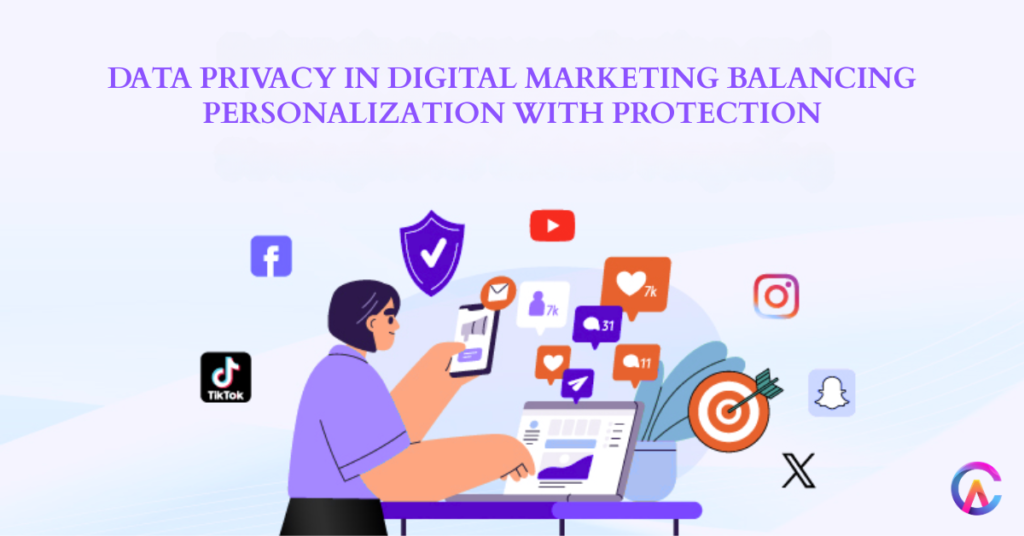
Data Privacy in Digital Marketing Balancing Personalization with Protection
Data Privacy, Marketing

Data Privacy in Digital Marketing: Balancing Personalization with Protection

Read 5 MinDigital marketing now sits where new ideas meet rules. When companies try to make custom messages that click with people, keeping personal info safe becomes tougher by the day. Balancing tailored ads with honoring how users want their data handled isn’t just about following laws, it’s a smart move. Doing it well can earn steady trust and keep customers coming back. This clear walkthrough dives into how data privacy’s changing in online marketing, showing why tailored experiences should walk hand in hand with strong safeguards, covering major rules companies follow, practical steps experts recommend, while highlighting ways tech allies such as Codearies support brands in staying safe and smart without losing momentum. Why Data Privacy Matters More Than Ever in Digital Marketing People care way more about their private info these days. Recent reports show most online users, more than eight out of ten, expect better say over who grabs their data and why. Scandals plus leaks shattered confidence for good. For brands digital marketing must: Failing to protect personal info pushes people away, causes weaker involvement, also drives up repair costs. Personalization Versus Privacy The Modern Marketer’s Dilemma Personalization works by gathering specific info to adjust content, deals, and experiences for individuals, making them more meaningful and boosting response rates. However, if tracking feels intrusive or is managed badly, it often leads to pushback. The aim? Personal touches that adapt over time, using grouped info stripped of identities or clear OKs from users instead of sneaky tracking. Relying on tools that guard privacy helps brands tailor moments while staying within fair and lawful limits. Regulatory and Ethical Frameworks Impacting Marketing Strategy Marketing’s gotta stay quick on its feet, tight with legal advice, yet lined up with smart tech moves. Technologies Enabling Privacy First Personalization Best Practices for Marketers Be Transparent and Educate Break down the info, what details you gather, the reason behind it, how it’s saved or put to use. Keep sign up and drop out hassle free, stick to what people choose. Minimize Data Collection Just collect what actually helps users or adds real benefit, toss out anything extra or old that’s just sitting around. Empower Users Show dashboards so users can check what info you keep, let them tweak their privacy choices without hassle. Use Privacy-preserving Analytics Use tools that give useful info while still protecting personal data. Regular Security Audits and Compliance Checks Stop leaks by fixing flaws, while preparing records for checks Personalize Responsibly Use clear access rules, live situational inputs, or masked details to shape interactions responsibly. Balancing Personalization and Privacy in Action Top companies now focus on context based ads by watching crowd habits and short term tags instead of following people across websites. Some connect with users through privacy friendly reward systems, leveraging blockchain so individuals manage their info and earn digital tokens for joining in. How Codearies Enables Privacy First Digital Marketing Excellence With Codearies, companies get help striking a fair mix, custom experiences without risking privacy, using smart tools paired with clear direction. Our services include At Codearies, folks get tailored experiences that grab attention yet stay private. Each touchpoint builds confidence without compromise. Frequently Asked Questions What’s Codearies’ way of keeping marketing within global privacy rules? We work alongside legal specialists, using their insights to build solid consent setups, keep clear records, or update tech as rules shift Is it possible to personalize well without invading privacy? Yes, using tools that protect privacy, while relying on user approved data, lets you build personalized moments that feel right, yet don’t cross the line Can Codearies handle privacy plus personalization across different channels? For sure, our system ties together data plus permissions on websites, phones, social media, also customer databases so your campaigns stay uniform and follow rules How do we educate customers on privacy choices without losing engagement? We build straightforward ways to connect, using simple tools that help users feel in control, while showing how tailored experiences work when they say it’s okay. How does Codearies keep helping with privacy rules over time? We keep an eye on things nonstop, plus we refresh our methods regularly, so when rules change or audits pop up, we react fast using updated tactics that fit each situation. For business inquiries or further information, please contact us at  contact@codearies.com  info@codearies.com
Scroll to Top

Have A Project In Mind?

Popuo Image